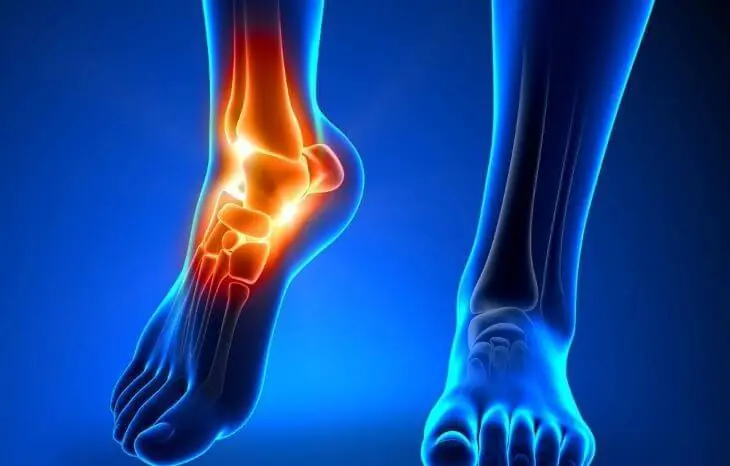
Your Heel Hurts First Thing in the Morning? Here's What May Be Causing It
Heel Pain That Won't Go Away? Here's What It Could Mean
Health 05/07/2026 13:03
When preparing fresh corn, most people remove the silky threads tucked beneath the husk and throw them away without a second thought. These fine strands, known as corn silk, have long been used in traditional herbal practices in many parts of the world, including Asia, Europe, and the Americas.
For generations, corn silk has been brewed into a mild herbal tea and enjoyed as a natural beverage. Today, researchers continue to study the plant compounds found in corn silk to better understand their potential health benefits. While early findings are promising, it's important to remember that corn silk tea is not a cure or treatment for disease. It should be viewed as a complementary part of a healthy lifestyle rather than a substitute for medical care.
Let's explore what corn silk contains, its traditional uses, what current research suggests, and how you can safely prepare it at home.
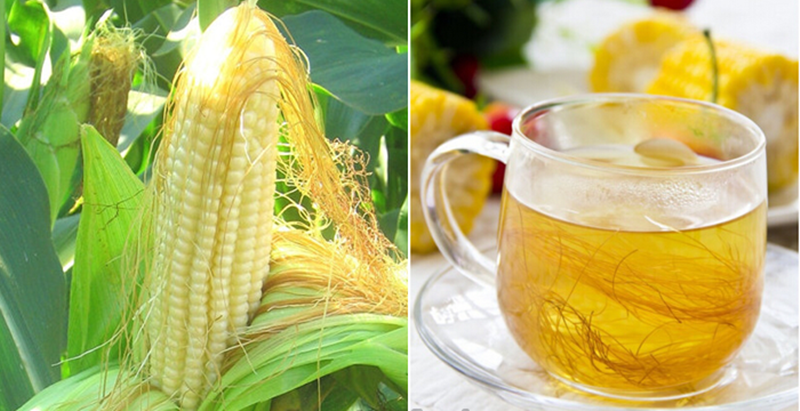
Corn silk is made up of the long, thread-like fibers that grow beneath the husk of each ear of corn. Each strand is connected to an individual kernel and plays a role in the plant's pollination process.
Although often discarded, corn silk contains a variety of naturally occurring compounds, including:
Flavonoids
Polyphenols
Potassium
Vitamin K (small amounts)
Plant sterols
Natural antioxidants
These compounds have attracted scientific interest because of their antioxidant and anti-inflammatory properties.
One of the main reasons corn silk has been studied is its antioxidant content.
Antioxidants help protect cells from oxidative stress, a natural process that occurs when unstable molecules called free radicals accumulate in the body. Over time, excessive oxidative stress has been linked to aging and various chronic diseases.
Corn silk contains plant compounds such as:
Flavonoids
Phenolic acids
Other polyphenols
These compounds may help support the body's natural defense systems as part of a balanced diet rich in fruits, vegetables, and whole grains.
Traditionally, corn silk tea has often been consumed to support urinary health.
Corn silk has mild diuretic properties, meaning it may increase urine production in some individuals. This traditional use has led researchers to explore its potential role in supporting normal urinary tract function.
However, there is not enough high-quality evidence to recommend corn silk tea as a treatment for urinary tract infections, kidney stones, or other urinary conditions.
If you experience pain during urination, blood in the urine, fever, or persistent urinary symptoms, seek medical evaluation rather than relying on herbal remedies.
Some laboratory and animal studies have investigated whether compounds in corn silk may influence glucose metabolism.
These early studies suggest that certain antioxidants in corn silk could play a role in supporting healthy blood sugar regulation. However, research in humans remains limited, and more well-designed clinical trials are needed.
Corn silk tea should never replace prescribed medications or diabetes management plans.
If you have diabetes, always follow your healthcare provider's recommendations.
Corn silk naturally contains potassium, a mineral that helps maintain normal fluid balance and supports healthy muscle and nerve function, including the heart.
A balanced diet rich in potassium-containing foods may help support healthy blood pressure when paired with reduced sodium intake.
Corn silk also contains antioxidant compounds that researchers continue to study for their potential role in cardiovascular health.
Remember, heart health depends on many factors, including:
Regular exercise
A balanced diet
Healthy body weight
Blood pressure control
Avoiding smoking
Many people simply enjoy corn silk tea as a naturally caffeine-free beverage.
Replacing sugary drinks with unsweetened herbal teas can help reduce added sugar intake while contributing to daily fluid consumption.
Hydration supports many important body functions, including:
Temperature regulation
Digestion
Circulation
Kidney function
Physical performance
If you enjoy herbal teas, corn silk tea can be one option among many.
Making corn silk tea at home is simple.
Fresh corn silk from 2–3 ears of corn (or dried corn silk)
3–4 cups of water
Rinse the corn silk thoroughly to remove dirt or debris.
Bring the water to a gentle boil.
Add the corn silk.
Reduce the heat and simmer for 10–15 minutes.
Remove from heat.
Strain the liquid into a cup.
Serve warm or chilled.
Some people add:
A slice of lemon
Fresh ginger
Mint leaves
A small amount of honey (optional)
These additions provide flavor without significantly altering the tea.
If using fresh corn, select ears that are:
Fresh
Free of mold
Free of pesticides when possible
Organic corn may reduce exposure to certain agricultural chemicals, although washing the silk thoroughly is always recommended.
If purchasing dried corn silk, buy from a reputable supplier that follows appropriate quality standards.
Corn silk tea should be viewed as only one small part of a healthy lifestyle.
For the greatest benefits:
Eat plenty of fruits and vegetables.
Choose whole grains.
Include lean protein.
Exercise regularly.
Stay hydrated.
Sleep seven to nine hours each night.
Avoid smoking.
Limit alcohol consumption.
Healthy daily habits have a much greater impact on long-term wellness than any single food or beverage.
Although corn silk tea is generally considered safe for many healthy adults when consumed in moderation, it may not be appropriate for everyone.
Speak with your healthcare provider before drinking corn silk tea regularly if you:
Are pregnant or breastfeeding
Have kidney disease
Have heart disease
Take diuretic medications
Take blood pressure medications
Take medications for diabetes
Because corn silk may have mild diuretic effects, it could potentially interact with certain medications or affect fluid and electrolyte balance.
You may encounter online claims suggesting that corn silk tea can:
Cure kidney disease
Eliminate toxins
Melt body fat
Reverse diabetes
Cure urinary infections
Prevent cancer
At present, there is no strong scientific evidence supporting these claims.
Corn silk tea is best viewed as a traditional herbal beverage that may complement—not replace—a healthy diet and evidence-based medical care.
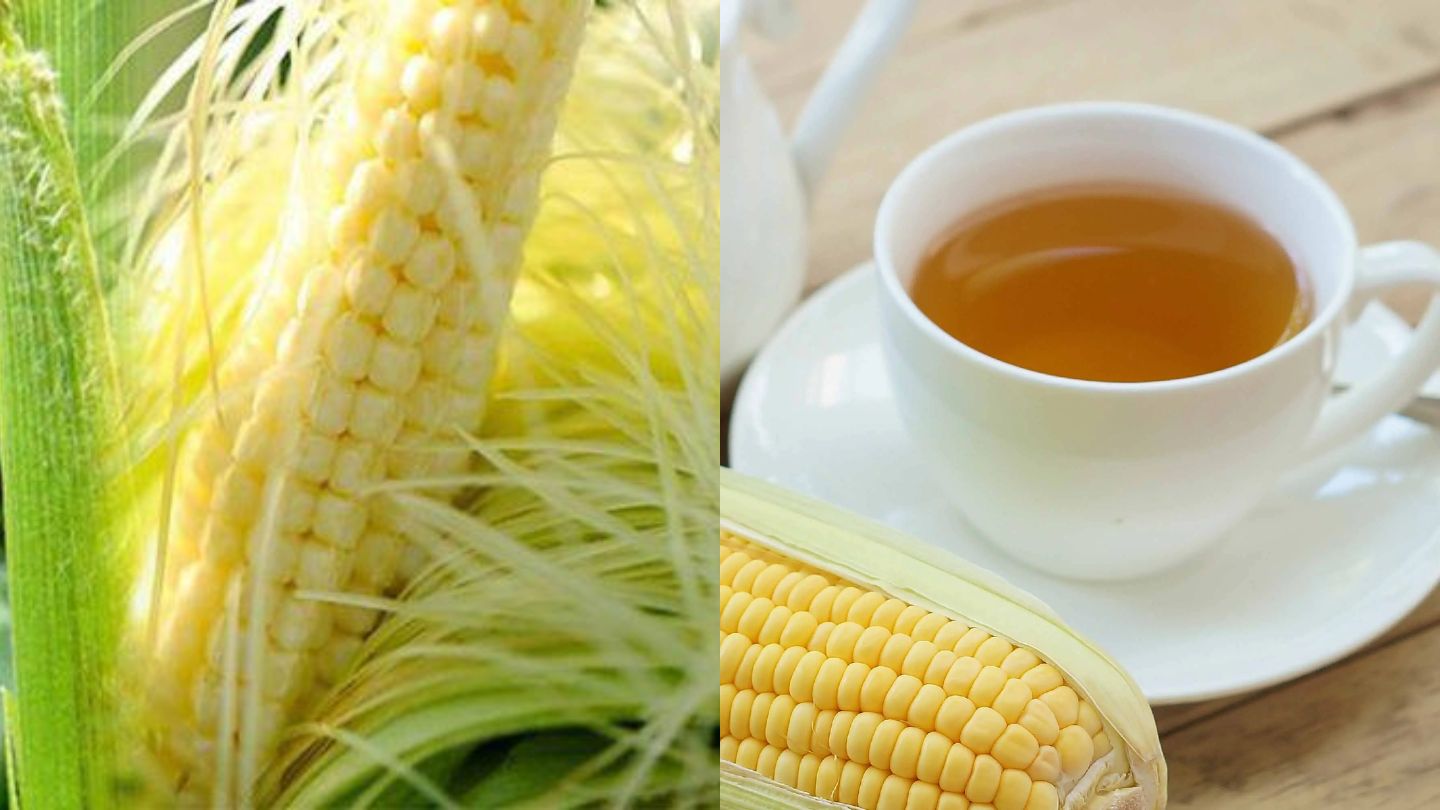
Corn silk, the fine threads often discarded when preparing fresh corn, has been used for generations as a traditional herbal tea. Rich in antioxidants and naturally caffeine-free, corn silk tea may support overall wellness by contributing to hydration and providing beneficial plant compounds. Early research has explored its potential roles in urinary health, blood sugar regulation, and cardiovascular health, but more high-quality human studies are needed to confirm these effects.
Rather than thinking of corn silk tea as a miracle remedy, enjoy it as one part of a balanced lifestyle that includes nutritious foods, regular physical activity, adequate sleep, and routine medical care. Sometimes, the simplest ingredients in nature can become enjoyable additions to everyday wellness when appreciated with realistic expectations and a healthy perspective.
Heel Pain That Won't Go Away? Here's What It Could Mean
Don't Ignore Ongoing Itching - It May Sometimes Be Related to Liver Health

Choosing the Right Time to Shower: What You Should Know

10 Symptoms That Could Be Worth Checking Out
5 Changes on Your Nose That Doctors Say You Should Never Ignore
The Simple 2-Tablespoon Trick That May Help Your Digestive System

This Everyday Meat Could Be Affecting Your Health More Than You Realize 👇
A Simple 2-Ingredient Remedy That Some People Use to Help Loosen Mucus
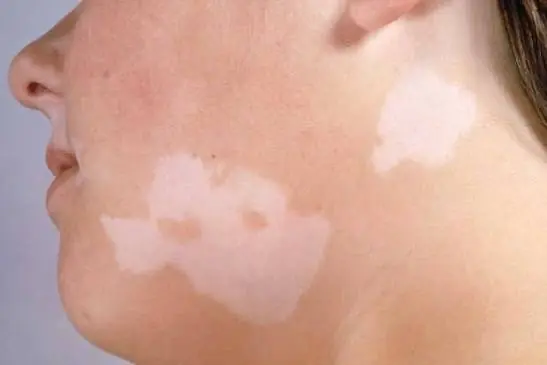
If You've Noticed Tiny White Spots on Your Arms or Legs, Read This First 👇

Doctors Say These Early Thyroid Signs Are Often Overlooked
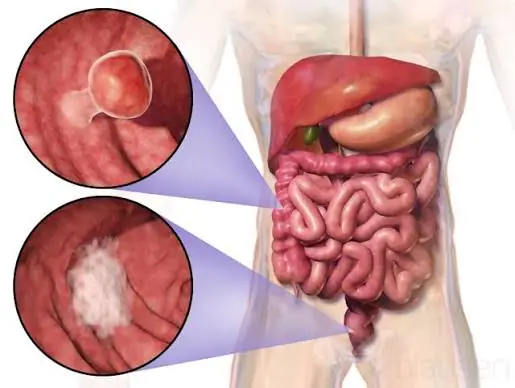
This Symptom Seemed Minor—Until a 25-Year-Old Was Diagnosed With Stage 3 Colon Cancer...

What You Do Every Day Matters More to Your Heart Than You Think...
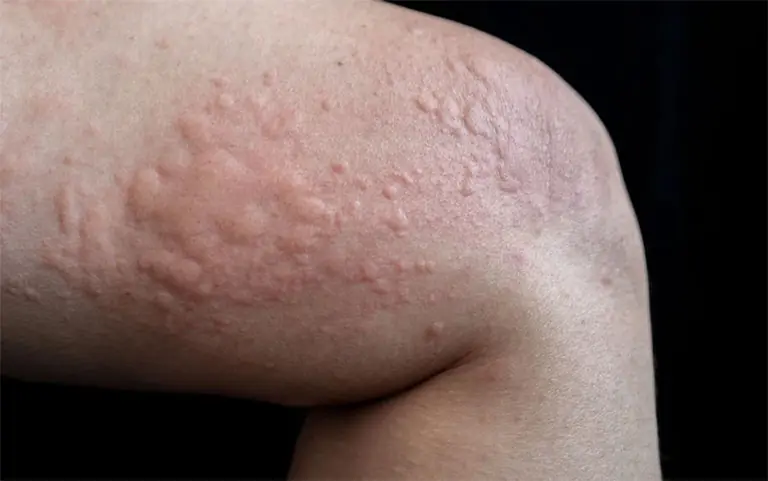
A Simple Allergy? That's What He Believed Until the Medical Tests Came Back...
If You Wake Up in the Morning and Feel These 4 Things, Your Kidneys May Be Under Stress
Spending Too Long on the Toilet With Your Phone Can Seriously Harm Your Health — Here Are 5 Real Dangers You Should Know
Alzheimer’s disease is one of the most challenging health issues of our time - a condition that slowly affects memory, thinking, and daily functioning. With no absolute cure yet, scientists around the world have been searching for lifestyle factors that

Drink Coffee This Way to Extend Lifespan and Stay Younger, Experts Say

Many people wonder about the meaning of the intriguing gesture of scratching the palm of another person’s hand, especially when it occurs between a man and a woman.

Cer.vical can.cer remains one of the leading cancers affecting women worldwide, but it is also one of the most preventable forms of can.cer, thanks to early detection through regular screening (Pap smears) and the availability of the HPV vaccine.
Heel Pain That Won't Go Away? Here's What It Could Mean
Don't Ignore Ongoing Itching - It May Sometimes Be Related to Liver Health
Choosing the Right Time to Shower: What You Should Know
10 Symptoms That Could Be Worth Checking Out
5 Changes on Your Nose That Doctors Say You Should Never Ignore
The Simple 2-Tablespoon Trick That May Help Your Digestive System
This Everyday Meat Could Be Affecting Your Health More Than You Realize 👇

A 10-Second Fridge Adjustment That May Help Save Energy
A Simple 2-Ingredient Remedy That Some People Use to Help Loosen Mucus
If You've Noticed Tiny White Spots on Your Arms or Legs, Read This First 👇
Doctors Say These Early Thyroid Signs Are Often Overlooked
This Symptom Seemed Minor—Until a 25-Year-Old Was Diagnosed With Stage 3 Colon Cancer...
What You Do Every Day Matters More to Your Heart Than You Think...
A Simple Allergy? That's What He Believed Until the Medical Tests Came Back...
If You Wake Up in the Morning and Feel These 4 Things, Your Kidneys May Be Under Stress
Spending Too Long on the Toilet With Your Phone Can Seriously Harm Your Health — Here Are 5 Real Dangers You Should Know
Alzheimer’s disease is one of the most challenging health issues of our time - a condition that slowly affects memory, thinking, and daily functioning. With no absolute cure yet, scientists around the world have been searching for lifestyle factors that
Drink Coffee This Way to Extend Lifespan and Stay Younger, Experts Say

The Right Way to Wash Grapes: Most People Are Doing It Wrong