This Popular Meat Is on Millions of Plates Every Day—Here's What Health Experts Want You to Know
From sandwiches and burgers to bacon at breakfast and sausages at dinner, processed meats are a regular part of many people's diets. They are convenient, flavorful, and widely available, making them a favorite choice for busy households.
However, health experts say it's worth paying attention to how often these foods appear on your plate. While enjoying them occasionally is unlikely to be a problem for most people, eating large amounts on a regular basis has been linked to certain long-term health risks.
Here's what current research says.
What Counts as Processed Meat?

Processed meat refers to meat that has been preserved by methods such as:
- Smoking
- Curing
- Salting
- Fermenting
- Adding preservatives
Common examples include:
- Bacon
- Sausages
- Hot dogs
- Ham
- Salami
- Pepperoni
- Corned beef
- Deli meats
These preservation methods help extend shelf life and enhance flavor, but they can also introduce compounds that may affect health when consumed frequently over many years.
Why Are Experts Concerned?
Numerous studies have found that higher consumption of processed meat is associated with an increased risk of colorectal cancer.
After reviewing hundreds of scientific studies, the World Health Organization's International Agency for Research on Cancer (IARC) classified processed meat as carcinogenic to humans (Group 1). This classification reflects the strength of the evidence that processed meat can contribute to cancer under certain patterns of consumption—it does not mean that eating processed meat occasionally will necessarily cause cancer.
The risk depends on many factors, including:
- Overall diet
- Amount consumed
- Frequency
- Lifestyle habits
- Family history
- Smoking and alcohol use
More Than Cancer Risk
Research has also linked diets high in processed meat with an increased risk of several chronic conditions, including:
1. Heart Disease
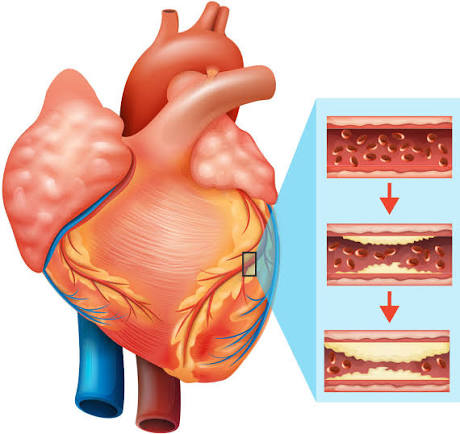
Many processed meats contain high amounts of sodium and saturated fat.
Too much sodium may contribute to:
- High blood pressure
- Increased strain on the heart
- Greater risk of stroke
Saturated fat may raise LDL ("bad") cholesterol in some individuals, an important risk factor for cardiovascular disease.
2. Type 2 Diabetes
Several large observational studies have reported that people who frequently consume processed meats may have a higher risk of developing type 2 diabetes.
Scientists believe this relationship may involve multiple factors, including excess sodium, preservatives, inflammation, and overall dietary patterns.
3. Weight Gain

Processed meats are often calorie-dense and are commonly paired with refined breads, fries, sugary drinks, and high-calorie sauces.
Regularly eating these meals may contribute to excess calorie intake and weight gain over time.
Why Sodium Matters
One serving of processed meat can contain a significant portion of the recommended daily sodium limit.
Excess sodium may cause the body to retain water, increasing blood pressure and making the heart work harder.
People with hypertension, kidney disease, or heart disease are often advised to pay particular attention to sodium intake.
What About Nitrates and Nitrites?
Many processed meats contain nitrates or nitrites, which help prevent bacterial growth and preserve color.
During processing or high-temperature cooking, these compounds can contribute to the formation of substances that researchers believe may play a role in cancer development.
Scientists continue to study this process, but current dietary guidelines generally recommend limiting processed meat consumption rather than eliminating meat altogether.
Does This Mean You Should Never Eat It?
Not necessarily.
Most nutrition experts agree that overall eating patterns matter more than a single meal.
Having bacon or deli meat occasionally is unlikely to pose a major health concern for most healthy people.
The greatest concern comes from eating processed meat frequently over many years while consuming few fruits, vegetables, whole grains, and other nutrient-rich foods.
Healthier Protein Choices
If you're looking to reduce processed meat, consider replacing some meals with:
- Fresh chicken or turkey
- Fish and seafood
- Beans and lentils
- Eggs
- Tofu or tempeh
- Unsalted nuts
- Lean cuts of fresh beef or pork in moderation
These options generally provide high-quality protein while containing less sodium and fewer preservatives.
Small Changes Can Make a Difference
You don't have to completely eliminate your favorite foods overnight.
Simple changes include:
- Limiting processed meats to occasional meals rather than daily staples.
- Choosing fresh meats more often.
- Filling half your plate with vegetables.
- Replacing processed meat sandwiches with grilled chicken or bean-based alternatives.
- Reading nutrition labels to compare sodium content.
Small, sustainable adjustments are often easier to maintain than drastic restrictions.
The Bottom Line
Processed meats remain popular because they're convenient and tasty, but current scientific evidence suggests they are best enjoyed in moderation.
A heart-healthy eating pattern focuses on a variety of minimally processed foods, including vegetables, fruits, whole grains, legumes, nuts, and lean protein sources.
Rather than worrying about a single food, think about your overall dietary habits. Consistently making balanced choices over time is one of the most effective ways to support long-term health.
Medical Disclaimer: This article is intended for educational purposes only and should not be considered medical advice. Individual nutritional needs vary. If you have concerns about your diet or your risk of chronic disease, consult your physician or a registered dietitian.