Your Everyday Habits May Be Hurting Your Heart Without You Even Knowing
Your heart beats more than 100,000 times every single day without asking for a break. While most people worry about heart attacks or high cholesterol, few realize that many ordinary daily habits can quietly place extra strain on this vital organ.
The surprising part? These habits often seem harmless because they don't cause immediate symptoms. Over months or years, however, they may increase the risk of high blood pressure, clogged arteries, irregular heartbeat, and other cardiovascular problems.
Here are some everyday behaviors that may be affecting your heart more than you think—and what you can do about them.
1. Sitting for Long Hours

Many jobs require sitting at a desk for eight or more hours a day. Unfortunately, prolonged sitting slows blood circulation and reduces the body's ability to regulate blood sugar and fats effectively.
Even people who exercise after work aren't completely protected if they spend most of the day sitting.
What you can do:
- Stand up every 30–60 minutes.
- Walk around during phone calls.
- Stretch throughout the day.
- Aim for at least 150 minutes of moderate exercise each week.
2. Not Getting Enough Sleep
Sleep is when your body repairs itself—including your cardiovascular system.
Regularly sleeping fewer than seven hours may contribute to:
- Higher blood pressure
- Increased inflammation
- Weight gain
- Poor blood sugar control
Too much sleep isn't ideal either, so most adults benefit from about 7–9 hours each night.
3. Living With Constant Stress
Stress itself is normal. The problem is chronic stress that never seems to end.
When you're stressed for long periods, your body releases stress hormones like cortisol and adrenaline. Over time, these hormones may:
- Raise blood pressure
- Increase heart rate
- Promote inflammation
- Encourage unhealthy coping habits like overeating or smoking
Managing stress doesn't require perfection.
Helpful options include:
- Deep breathing
- Walking outdoors
- Meditation
- Talking with friends
- Enjoying hobbies
4. Eating Too Many Ultra-Processed Foods
Packaged snacks, sugary drinks, fast food, and processed meats often contain excessive amounts of:
- Sodium
- Added sugar
- Unhealthy fats
Eating these foods frequently may contribute to obesity, diabetes, high cholesterol, and hypertension—all major risk factors for heart disease.
Instead, try filling your plate with:
- Fruits
- Vegetables
- Whole grains
- Beans
- Fish
- Nuts
- Healthy oils like olive oil
5. Consuming Too Much Salt
Many people don't realize that most dietary sodium comes from processed and restaurant foods rather than the salt shaker.
Too much sodium causes the body to retain water, making the heart work harder to pump blood.
Reducing sodium intake may help lower blood pressure, especially for people who are salt-sensitive.
Simple ways to cut back include:
- Reading food labels
- Choosing fresh ingredients
- Flavoring foods with herbs instead of extra salt
6. Drinking Sugary Beverages Every Day
Soft drinks, sweetened teas, energy drinks, and flavored coffees can deliver large amounts of added sugar in just one serving.
Excess sugar intake has been linked to:
- Weight gain
- Type 2 diabetes
- Elevated triglycerides
- Fatty liver disease
These conditions can increase the risk of cardiovascular disease over time.
Water remains the healthiest choice for most people.
7. Smoking—or Even Occasional Smoking
There is no safe level of tobacco use.
Smoking damages blood vessels, raises blood pressure, reduces oxygen delivery, and accelerates plaque buildup inside arteries.
Even occasional smoking or exposure to secondhand smoke may increase cardiovascular risk.
Quitting smoking begins benefiting the heart almost immediately.
8. Drinking Too Much Alcohol

While some earlier studies suggested possible heart benefits from small amounts of alcohol, newer research indicates that even moderate drinking may not provide the protection once believed.
Heavy alcohol use can contribute to:
- High blood pressure
- Irregular heart rhythms
- Weakened heart muscle
- Stroke
If you drink alcohol, moderation is important.
9. Ignoring Routine Health Checkups
High blood pressure and high cholesterol are often called "silent" conditions because they usually don't cause symptoms until serious damage has occurred.
Regular health screenings can detect problems early.
Adults should discuss with their healthcare provider how often to check:
- Blood pressure
- Cholesterol
- Blood sugar
- Body weight
- Heart health risk factors
10. Being Physically Inactive
Exercise strengthens the heart muscle just like it strengthens other muscles.
Regular physical activity can help:
- Improve circulation
- Lower blood pressure
- Increase healthy cholesterol (HDL)
- Reduce stress
- Maintain a healthy weight
You don't need intense workouts.
Even brisk walking for 30 minutes most days can make a meaningful difference.
11. Skipping Meals Regularly
Some people skip breakfast or go many hours without eating because they're busy.
This can sometimes lead to:
- Overeating later
- Blood sugar fluctuations
- Poor food choices
A balanced eating pattern that includes nutrient-rich foods throughout the day may better support overall cardiovascular health.
12. Ignoring Early Warning Signs
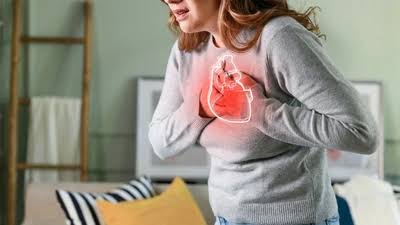
Not every heart problem begins with severe chest pain.
Some symptoms that deserve medical attention include:
- Shortness of breath
- Unusual fatigue
- Chest discomfort
- Pain spreading to the jaw, neck, shoulder, or arm
- Dizziness
- Swelling in the legs
If symptoms are sudden, severe, or persistent, seek emergency medical care immediately.
Small Changes Can Protect Your Heart
Heart disease usually develops over many years—not overnight.
The encouraging news is that small, consistent lifestyle improvements often have a significant impact on long-term heart health.
Consider starting with just one or two changes:
- Walk a little more.
- Eat more whole foods.
- Sleep consistently.
- Reduce stress.
- Stay active throughout the day.
- Schedule regular medical checkups.
Your heart works tirelessly every minute of your life. Taking care of it doesn't always require dramatic changes—often, it's the small daily choices that matter the most.
Medical disclaimer: This article is for educational purposes only and should not replace professional medical advice, diagnosis, or treatment. If you have symptoms or concerns about your heart health, consult a qualified healthcare professional promptly. The information presented is consistent with current guidance emphasizing healthy lifestyle habits to reduce cardiovascular risk.