When it comes to improving digestion, many people search for quick and easy solutions. Social media is filled with claims that "just two tablespoons" of a particular ingredient can transform your gut health overnight. Whether it's olive oil, chia seeds, flaxseeds, apple cider vinegar, yogurt, or another popular food, the truth is more nuanced.
In reality, no single food or ingredient can instantly improve digestion or cure digestive problems. However, incorporating small amounts of certain nutrient-rich foods into a balanced diet may help support healthy digestion over time.
Let's explore what digestive health really means, how small dietary changes can make a difference, and which foods commonly measured in tablespoons may contribute to a healthy digestive system.
What Is Digestive Health?
Your digestive system is responsible for:
-
Breaking down food
-
Absorbing nutrients
-
Eliminating waste
-
Supporting the immune system
-
Maintaining a healthy balance of gut bacteria
A healthy digestive system allows your body to efficiently use the nutrients from the foods you eat while helping prevent unnecessary discomfort.
Why Good Digestion Matters
Healthy digestion contributes to many aspects of overall well-being.
It helps support:
-
Regular bowel movements
-
Nutrient absorption
-
Stable energy levels
-
Immune function
-
Gut microbiome balance
-
Overall comfort after meals
Digestive health depends on many lifestyle factors—not just one food.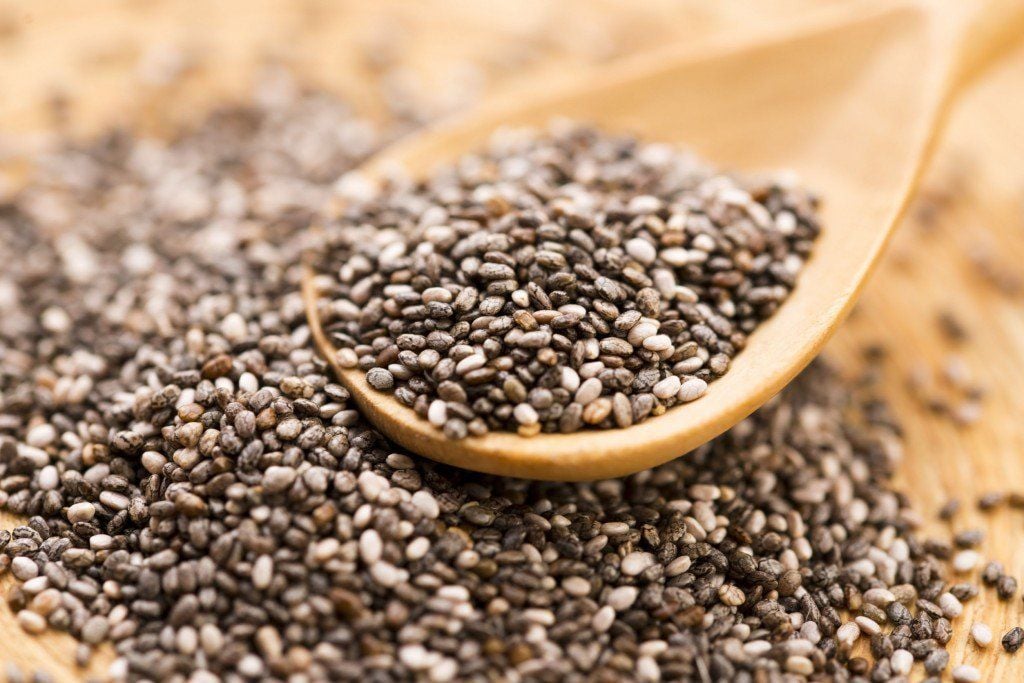
Can Two Tablespoons Really Make a Difference?
Sometimes.
Adding two tablespoons of a nutrient-rich food to your daily meals may contribute beneficial nutrients such as:
-
Fiber
-
Healthy fats
-
Plant compounds
-
Prebiotics
However, these benefits develop gradually as part of a consistent healthy eating pattern.
No food works like medicine for everyone.
Foods Often Enjoyed in Two-Tablespoon Servings
1. Ground Flaxseeds
Two tablespoons of ground flaxseeds provide:
-
Dietary fiber
-
Omega-3 fatty acids
-
Lignans
Fiber helps:
-
Promote regular bowel movements
-
Feed beneficial gut bacteria
-
Increase feelings of fullness
Ground flaxseeds are generally easier to digest than whole flaxseeds.
2. Chia Seeds
Chia seeds absorb water and form a gel-like texture.
They provide:
-
Soluble fiber
-
Protein
-
Healthy fats
-
Minerals
When consumed with adequate water, chia seeds may help support regular bowel movements.
Because they expand, they should always be eaten with plenty of fluid.
3. Plain Yogurt
Two tablespoons of yogurt contain beneficial nutrients.
Some yogurts also contain live and active cultures, which may help support a healthy gut microbiome.
Not all yogurts contain the same probiotic strains, so check the label if this is important to you.
4. Extra Virgin Olive Oil
Olive oil provides:
-
Healthy monounsaturated fats
-
Antioxidants
-
Polyphenols
Replacing saturated fats with unsaturated fats as part of a balanced diet may support heart health.
Some people find that healthy dietary fats also contribute to comfortable digestion.
5. Nut Butter
Peanut butter or almond butter can provide:
-
Healthy fats
-
Protein
-
Vitamin E
-
Magnesium
When eaten in moderation, they make a nutritious addition to meals and snacks.
Choose varieties without excessive added sugar or salt whenever possible.
The Importance of Fiber
Fiber is one of the most important nutrients for digestive health.
There are two main types.
Soluble Fiber
Helps:
-
Absorb water
-
Form softer stools
-
Feed beneficial gut bacteria
Sources include:
-
Oats
-
Chia seeds
-
Flaxseeds
-
Apples
-
Beans
Insoluble Fiber
Helps:
-
Increase stool bulk
-
Support regular bowel movements
Sources include:
-
Whole grains
-
Vegetables
-
Nuts
-
Seeds
Most adults do not consume enough fiber.
Increasing fiber gradually while drinking plenty of water helps reduce gas and bloating.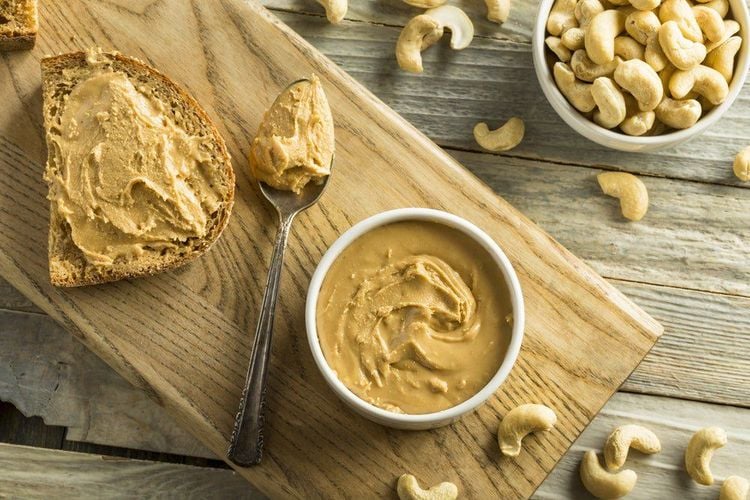
Hydration Is Essential
Fiber works best when combined with adequate fluid intake.
Drinking enough water helps:
-
Soften stool
-
Support bowel movements
-
Prevent dehydration
-
Maintain normal digestive function
Water remains one of the most important "ingredients" for healthy digestion.
What About Probiotics?
Your digestive tract contains trillions of microorganisms known collectively as the gut microbiome.
Some fermented foods contain probiotics, including:
-
Yogurt
-
Kefir
-
Kimchi
-
Sauerkraut
-
Miso
Research suggests that probiotics may benefit certain digestive conditions in some individuals.
However:
-
Different probiotic strains have different effects.
-
Not every product contains clinically studied strains.
-
Results vary from person to person.
Lifestyle Habits That Support Digestion
Healthy digestion involves much more than individual foods.
Eat Slowly
Taking time to chew food thoroughly supports digestion.
Stay Physically Active
Regular exercise helps stimulate normal bowel function.
Manage Stress
Stress may contribute to digestive symptoms in some people through the gut-brain connection.
Relaxation techniques, adequate sleep, and physical activity may help.
Eat Regular Meals
Consistent meal timing may support healthy digestive function.
Include Plenty of Fruits and Vegetables
These foods provide:
-
Fiber
-
Vitamins
-
Minerals
-
Antioxidants
A varied diet supports both digestive and overall health.
Common Myths About Digestive Health
Myth 1: One Food Can Fix Digestion
False.
Digestive health depends on your overall diet and lifestyle.
Myth 2: More Fiber Is Always Better
Increasing fiber too quickly may cause:
-
Gas
-
Bloating
-
Abdominal discomfort
Gradual increases are usually better tolerated.
Myth 3: Everyone Needs Probiotic Supplements
Not necessarily.
Many healthy people obtain beneficial bacteria through fermented foods and a balanced diet.
Supplements are not appropriate for everyone and should be discussed with a healthcare professional when needed.
When Should You See a Doctor?
Occasional digestive discomfort is common.
However, seek medical evaluation if you experience:
-
Blood in the stool
-
Persistent abdominal pain
-
Unexplained weight loss
-
Difficulty swallowing
-
Ongoing diarrhea or constipation lasting several weeks
-
Frequent vomiting
-
Severe bloating that continues despite lifestyle changes
These symptoms may indicate conditions requiring medical assessment.
Building Long-Term Digestive Health
Rather than focusing on a single "superfood," consider building healthy habits such as:
-
Drinking enough water.
-
Eating a variety of fiber-rich foods.
-
Including fermented foods when appropriate.
-
Staying physically active.
-
Limiting highly processed foods.
-
Managing stress.
-
Getting adequate sleep.
These habits are far more likely to support healthy digestion than relying on one ingredient alone.
Final Thoughts
The idea that "just two tablespoons" of a particular food can dramatically improve digestion is appealing, but the reality is more balanced. Small servings of nutrient-rich foods such as ground flaxseeds, chia seeds, yogurt, olive oil, or nut butters can contribute fiber, healthy fats, and beneficial nutrients that support digestive health when included as part of a balanced diet.
However, there is no single food that works as a cure-all for digestive problems. Healthy digestion depends on a combination of good nutrition, adequate hydration, regular physical activity, quality sleep, and stress management. If you experience persistent or severe digestive symptoms, it's important to seek medical evaluation rather than relying solely on dietary changes.
The most effective approach is not searching for a miracle ingredient, but building sustainable habits that support your digestive system every day.