Have you ever taken your first few steps out of bed only to feel a sharp pain in your heel? For many people, those first steps in the morning can be surprisingly uncomfortable. Others notice heel pain after sitting for a long time or even after only a short period of walking.
Although occasional heel discomfort may result from temporary overuse, persistent heel pain should not be ignored. In many cases, it is related to common foot conditions that can often be managed with appropriate care. Less commonly, heel pain may be associated with underlying medical conditions that require professional evaluation.
Understanding the possible causes of heel pain can help you know when simple self-care measures may be appropriate—and when it's time to seek medical advice.
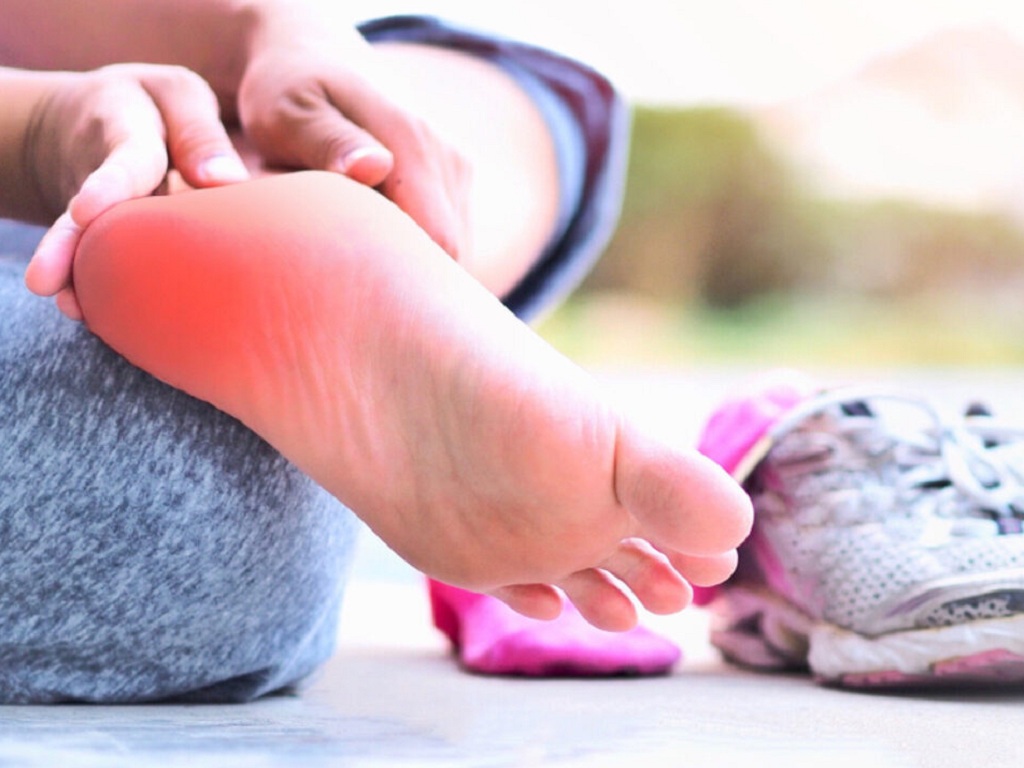
1. Plantar Fasciitis
The most common cause of morning heel pain is plantar fasciitis.
The plantar fascia is a thick band of connective tissue that runs along the bottom of the foot, connecting the heel bone to the toes.
During sleep, this tissue shortens slightly. When you take your first steps in the morning, it stretches suddenly, causing pain.
Typical symptoms include:
-
Sharp heel pain with the first steps after waking
-
Pain that improves after walking for several minutes
-
Pain returning after long periods of standing
-
Tenderness near the bottom of the heel
Risk factors include:
-
Long periods of standing
-
Running or jumping activities
-
Tight calf muscles
-
Flat feet or high arches
-
Excess body weight
-
Unsupportive footwear
2. Achilles Tendinitis
The Achilles tendon connects your calf muscles to your heel bone.
Overuse or repetitive strain can lead to inflammation or irritation of this tendon.
Symptoms may include:
-
Pain behind the heel
-
Morning stiffness
-
Tenderness when walking
-
Swelling near the back of the ankle
Athletes and people who suddenly increase their activity level are more likely to develop Achilles tendon problems.
3. Heel Spurs
A heel spur is a small bony growth that develops on the underside of the heel bone.
Many people with heel spurs have no symptoms at all.
When pain occurs, it is often due to irritation of the surrounding soft tissues rather than the spur itself.
Heel spurs frequently occur alongside plantar fasciitis.
4. Wearing Unsupportive Shoes
Your footwear plays an important role in foot health.
Shoes that lack proper cushioning or arch support can place extra stress on the heel and plantar fascia.
Examples include:
-
Worn-out athletic shoes
-
Thin flip-flops
-
Flat sandals
-
High heels worn for long periods
Supportive footwear may help reduce strain on the feet during daily activities.
:format(webp)/792_dau_got_chan_5720_6224_large_eb44a8c0e0.jpg)
5. Standing for Long Hours
People who spend much of the day standing may place repeated stress on their heels.
This includes:
-
Teachers
-
Nurses
-
Retail workers
-
Factory workers
-
Restaurant staff
Repeated pressure can irritate the soft tissues of the foot and contribute to heel pain over time.
Taking regular breaks and wearing supportive footwear may help.
6. Arthritis
Certain forms of arthritis can also contribute to heel pain.
These include:
-
Rheumatoid arthritis
-
Psoriatic arthritis
-
Ankylosing spondylitis
Inflammatory arthritis may cause:
-
Morning stiffness lasting longer than 30 minutes
-
Pain in multiple joints
-
Swelling
-
Fatigue
If heel pain is accompanied by symptoms affecting other joints, medical evaluation is recommended.
7. Nerve Compression
Sometimes heel pain is caused by irritation or compression of nearby nerves.
One example is tarsal tunnel syndrome, which involves pressure on the tibial nerve as it passes near the ankle.
Symptoms may include:
-
Burning pain
-
Tingling
-
Numbness
-
Electric shock-like sensations
Unlike plantar fasciitis, nerve-related pain may continue even while resting.
When Should You See a Doctor?
Occasional mild heel pain often improves with rest and simple self-care.
However, you should seek medical advice if:
-
Pain lasts longer than several weeks
-
Walking becomes difficult
-
Swelling is severe
-
You cannot bear weight on the foot
-
Pain follows a significant injury
-
You develop numbness or tingling
-
Fever or redness accompanies the pain
Early evaluation may help prevent the condition from becoming chronic.
Simple Ways to Relieve Heel Pain
Many common causes of heel pain respond well to conservative treatment.
Stretch Regularly
Gentle stretching of the:
-
Calf muscles
-
Achilles tendon
-
Plantar fascia
may help improve flexibility.
Stretching before getting out of bed is particularly helpful for some people with plantar fasciitis.
Wear Supportive Shoes
Choose shoes with:
-
Good arch support
-
Cushioned soles
-
Proper fit
-
Stable heel support
Replace athletic shoes when they become worn.
Maintain a Healthy Weight
Excess body weight increases the amount of force placed on the feet with every step.
Even modest weight loss may reduce stress on the heels if you are overweight.
Rest When Needed
If heel pain develops after increased activity, temporarily reducing high-impact exercise may allow irritated tissues to recover.
Low-impact activities such as swimming or cycling may be more comfortable during recovery.
Ice Therapy
Applying an ice pack to the painful area for 15–20 minutes after activity may help relieve discomfort.
Always place a cloth between the ice and your skin.
Foot Exercises
Strengthening the muscles of the feet and lower legs may improve support and reduce strain.
Examples include:
-
Towel scrunches
-
Toe raises
-
Heel raises
-
Rolling the foot over a frozen water bottle
A physical therapist can recommend exercises appropriate for your condition.
Healthy Habits for Long-Term Foot Care
Your feet support your entire body every day.
Simple habits can help keep them healthy.
-
Wear shoes that fit properly.
-
Replace worn-out footwear.
-
Warm up before exercise.
-
Increase physical activity gradually.
-
Stretch regularly.
-
Keep your feet clean and dry.
-
Inspect your feet regularly if you have diabetes.
Preventive care is often easier than treating chronic foot problems later.
Common Myths About Heel Pain
Myth: Heel pain is just part of getting older.
Fact: While age can increase the risk of certain foot conditions, persistent heel pain is not something you should simply accept.
Myth: You should walk through the pain.
Fact: Continuing activities that worsen pain may delay healing.
Myth: Heel spurs always need surgery.
Fact: Most cases improve with conservative treatments such as stretching, supportive footwear, physical therapy, and activity modification.
Myth: Morning heel pain always means a heel spur.
Fact: Plantar fasciitis is actually a much more common cause of heel pain after waking.

The Bottom Line
Heel pain first thing in the morning is often caused by conditions such as plantar fasciitis, Achilles tendinitis, heel spurs, or irritation from prolonged standing or unsupportive footwear. In some cases, arthritis or nerve-related conditions may also contribute.
Fortunately, many cases improve with simple measures such as stretching, wearing supportive shoes, maintaining a healthy weight, resting when needed, and performing foot-strengthening exercises. However, if your heel pain persists, worsens, or is accompanied by swelling, numbness, or difficulty walking, it's important to seek medical evaluation to determine the underlying cause and receive appropriate treatment.
Your feet carry you through thousands of steps every day. Taking care of them today can help you stay active, comfortable, and mobile for years to come.