How to Get Rid of Earwigs With One Simple Ingredient (It’s Probably in Your Kitchen!)
You reach for a towel in the bathroom, move a flowerpot on the patio, or switch on the garden light after sunset—and suddenly, a small dark insect with a pair of curved pincers appears. It moves quickly, disappears into a crack, and leaves you wondering how many more might be hiding nearby. If earwigs have started appearing around your home, you are certainly not alone. These insects are common in damp gardens and can sometimes wander indoors in search of shelter.
The good news is that getting control of earwigs does not always require expensive sprays or complicated equipment. A simple homemade trap using an ingredient many people already keep in the kitchen can help attract and catch them. The trick is understanding what draws earwigs in, where they hide, and how to make the trap work without creating new problems for your household, pets, or garden.
There is also an important distinction worth knowing: earwigs often look more threatening than they really are. Their pincers can be startling, but they do not normally seek out people, and they are not known for crawling into human ears while people sleep—a persistent myth that has given them their unsettling name.
Before reaching for a chemical treatment, it helps to understand why these insects are appearing, what the kitchen-based method can realistically achieve, and which simple changes can make your home and garden less attractive to them.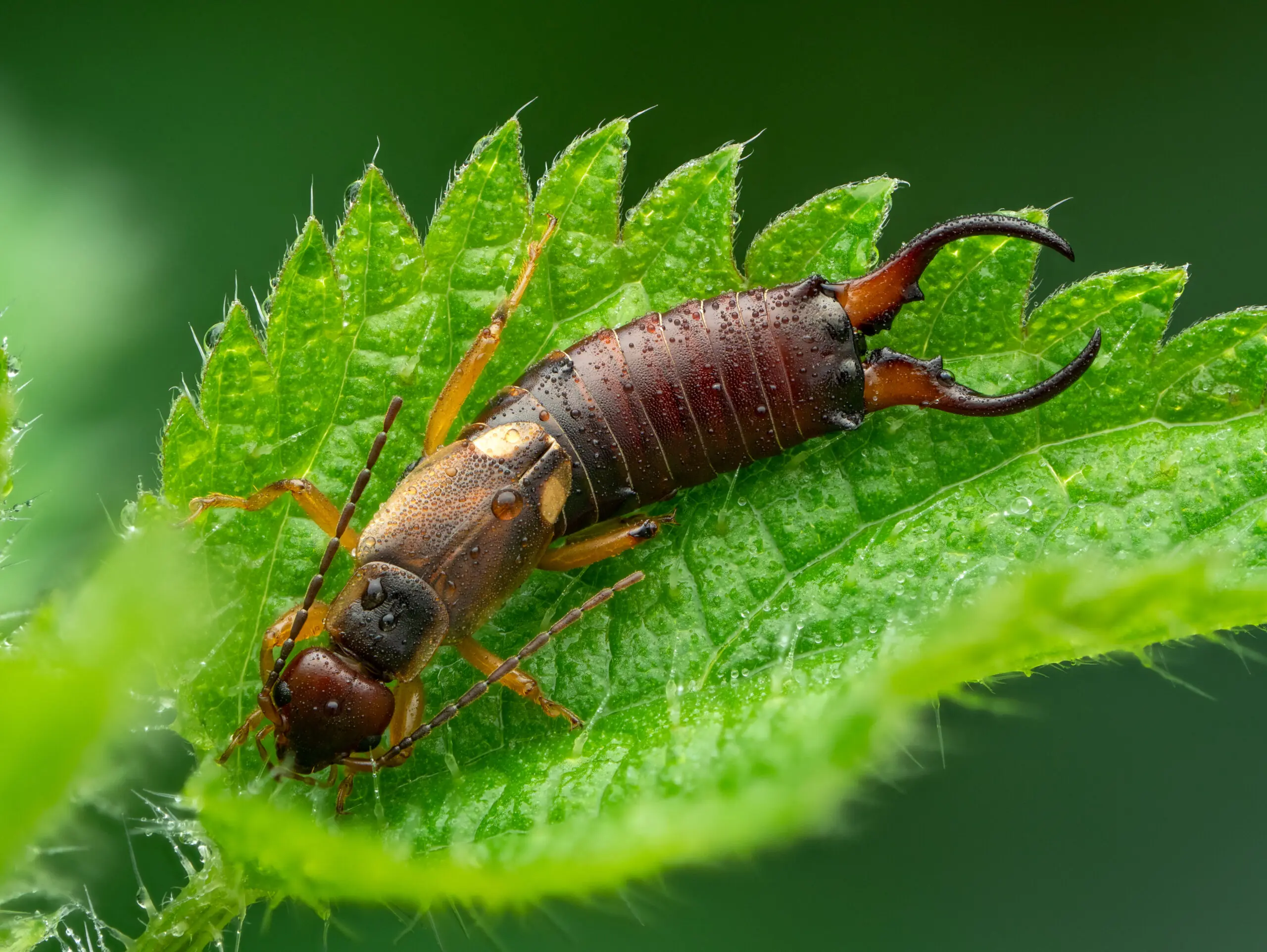
Chapter 1: The One Kitchen Ingredient That Can Help Trap Earwigs
The simple ingredient highlighted by this method is vegetable oil. It may seem surprising that an ordinary cooking ingredient could play a role in pest control, but oil-based traps are a recognized way to monitor and reduce earwig numbers in gardens.
The method is straightforward: place a small amount of vegetable oil in a shallow container, then position the container near the areas where earwigs are active. The insects are attracted to the oil and can become trapped in it. Some gardening guides recommend fish oil because its smell can be more attractive to earwigs, but vegetable oil is a practical household alternative.
This is not a magic solution that makes every earwig disappear overnight. It is a simple trapping technique that can help reduce the number of insects in a particular area, especially when used consistently alongside changes to the conditions that attract them.
What you need
You do not need specialized equipment. Prepare:
-
A shallow, low-sided container, such as an empty tuna or cat-food can.
-
A small amount of ordinary vegetable oil.
-
A garden trowel, if you want to set the container into the soil.
-
A lid or protective cover with suitable openings, if pets or other animals could reach the trap.
Use a container that is stable and will not easily tip over. Avoid placing it where children, pets, birds, or other wildlife could accidentally come into contact with the oil.
How to make the trap
Step 1: Choose the right location.
Look for places where you have actually seen earwigs. These may include the edges of vegetable beds, areas near damaged flowers, the base of garden walls, or shaded spaces close to pots and dense vegetation.
Step 2: Add the oil.
Pour a shallow layer of vegetable oil into the container. You do not need to fill it. A small amount is sufficient for a simple monitoring trap.
Step 3: Position the container.
Place it on the ground near the area where earwigs are active. Some extension recommendations suggest setting a low-sided can into the soil so that its rim is close to ground level. This makes it easier for insects moving along the surface to reach the container.
Step 4: Check it regularly.
Inspect the trap in the morning. Remove captured insects and replace the oil when it becomes dirty, diluted by rain, or filled with insects and debris.
Step 5: Repeat the process.
A single trap may catch only a small number of insects. Several traps placed strategically around an affected garden can provide a better picture of where earwigs are concentrated.
The important point is consistency. Trapping works best when the containers are checked and maintained regularly rather than being forgotten in the garden.
Why does vegetable oil work?
Earwigs are active at night and search for food and suitable shelter. Certain oily baits can attract them, while the liquid in a shallow container makes it difficult for insects to escape once they enter.
The trap serves two purposes. First, it can reduce the number of earwigs in the immediate area. Second, it provides information about how active the population is.
If a container catches several earwigs over successive nights, you have evidence that the area is worth inspecting more carefully. If it catches very few, the main hiding places may be somewhere else.
One detail is important: vegetable oil is not a repellent that drives earwigs away from the entire property. It is a baited trap. Its effect is local, and it should be combined with removing hiding places, reducing unnecessary moisture, and blocking entry points into the home.
Chapter 2: Why Earwigs Suddenly Seem to Be Everywhere
Many homeowners notice earwigs appearing in greater numbers during warm, damp periods. One week, the garden seems normal; the next, the insects are hiding beneath flowerpots, crawling around outdoor lights, or appearing near doors.
This can feel like a sudden invasion, but several conditions may explain the increase.
Earwigs prefer places where they can remain protected from direct sunlight and avoid drying out. During the day, they commonly hide beneath leaves, stones, boards, mulch, pots, and other objects resting on the ground. At night, they become active and move around in search of food.
That behavior means a garden can contain many earwigs without showing obvious signs during daylight hours.
Moisture creates attractive hiding places
Moisture is one of the most important factors influencing where earwigs gather.
A garden bed that is watered heavily and stays damp for long periods may provide ideal conditions. Thick layers of mulch, wet fallen leaves, and objects lying directly on the soil can create cool, sheltered spaces.
The same issue can occur around a home. Damp basements, poorly ventilated storage spaces, wet mats, and areas around plumbing can offer temporary shelter.
This does not mean that every damp corner will contain earwigs. It simply means that moisture combined with darkness and shelter can make an area more appealing.
Warm weather increases nighttime activity
Temperature also influences earwig behavior. During warmer periods, insects may become more active, and suitable outdoor habitats can support larger populations.
Homeowners may notice more earwigs after rain or during stretches of humid weather because damp conditions provide shelter and reduce the risk of dehydration.
The timing varies according to local climate and species. In some regions, earwigs are most noticeable during spring and summer. In warmer climates, they may remain active for longer periods.
Gardens offer food and shelter together
A garden can provide nearly everything an earwig needs.
Fallen fruit, decaying leaves, soft plant tissue, small insects, and organic debris may all become part of its food supply. Dense vegetation provides shelter during the day, while moist soil helps protect the insects from drying out.
This combination can make flowerbeds and vegetable gardens especially attractive.