You do not need to spray an entire room because one insect has appeared. Instead, check for damp conditions and entry gaps if sightings become frequent.
When to ask for professional help
If you are seeing large numbers of insects throughout the home, cannot identify the source, or suspect that a different pest is involved, a professional inspection may be worthwhile.
A pest-control professional can help identify the species and determine whether the problem is limited to outdoor activity or involves a more persistent entry route.
Chapter 13: A Simple Seven-Day Plan to Reduce Earwig Activity
If earwigs have become a regular problem, a short, organized plan can make the work easier.
The following schedule combines vegetable-oil traps, shelter traps, and basic home maintenance. It is intended as a practical starting point rather than a guarantee that every insect will disappear within seven days.
Day 1: Inspect the property
Walk around the house and garden.
Look beneath pots, stones, boards, mulch, and fallen leaves. Check plants that show fresh damage. If possible, inspect the garden after dark with a flashlight.
Write down the places where you see the most earwigs. These locations will guide the placement of your traps.
Day 2: Set up vegetable-oil traps
Prepare shallow containers with a small amount of vegetable oil.
Place them near the areas where earwigs have been observed. Make sure they are stable and inaccessible to pets and children.
Do not scatter traps randomly across the garden. Concentrate on locations with evidence of activity.
Day 3: Add shelter traps
Prepare a few rolled newspaper or corrugated-cardboard traps.
Place them in shaded areas near affected plants. Check them the following morning and remove any earwigs that have gathered inside.
Day 4: Clean up unnecessary hiding places
Remove fallen leaves, discarded pots, unused boards, and other objects that remain damp near the house or affected plants.
Do not remove essential garden habitat indiscriminately. Focus on unnecessary shelter close to vulnerable plants and entrances.
Day 5: Review watering and drainage
Check whether certain areas remain wet for too long.
Adjust irrigation where appropriate, clear blocked drainage, and make sure water is directed away from the foundation.
Day 6: Inspect the home exterior
Check door sweeps, window screens, and gaps around plumbing or utility lines.
Repair small openings using suitable materials. For larger structural problems, seek professional assistance.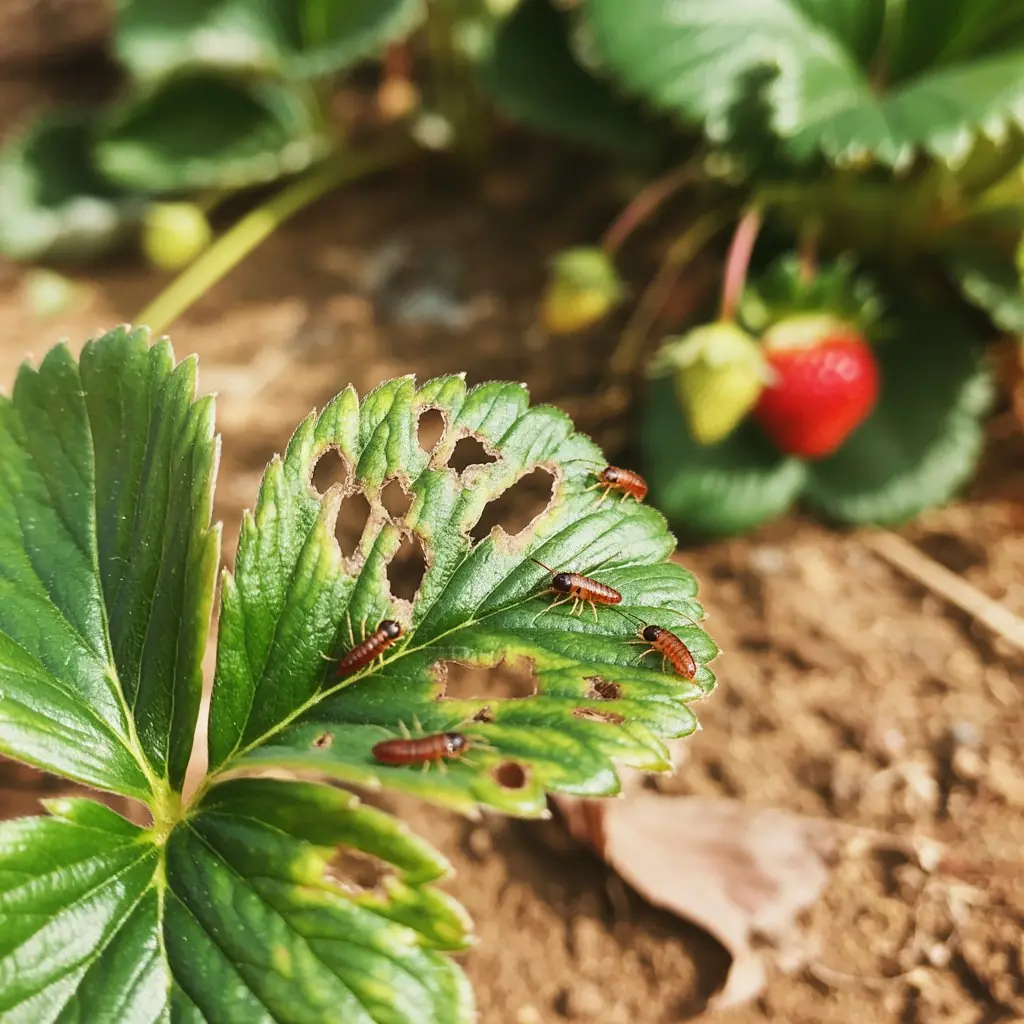
Day 7: Review the results
Check your traps and compare the results with the first few days.
Are fewer earwigs appearing? Are new leaves showing less damage? Have indoor sightings decreased?
If the traps are still catching many insects, continue monitoring and consider whether additional hiding places remain.
If the traps catch almost nothing but plant damage continues, investigate other possible pests.
The benefit of this plan is that it combines observation with action. Instead of relying on one homemade trick, you gradually address the conditions that allow earwigs to thrive.
Chapter 14: When Is It Time to Consider Stronger Pest Control?
Homemade traps are useful for monitoring and reducing small populations, but they are not guaranteed to solve every earwig problem.
Some gardens support large populations because they contain abundant shelter, moisture, and food. In these situations, trapping may need to continue for an extended period.
The important question is whether the insects are actually causing enough damage to justify stronger intervention.
Signs that the problem may be serious
Consider seeking additional advice if:
-
Large numbers of earwigs appear around the same plants every night.
-
Young seedlings repeatedly disappear or become badly damaged.
-
Flowers and soft fruit show fresh feeding damage despite regular trapping.
-
Earwigs continue entering the home through several areas.
-
Traps consistently collect large numbers of insects.
-
You cannot identify the insect responsible for the damage.
A local agricultural extension service or pest-management professional can help determine the species and recommend an appropriate approach.
Should you use insecticide?
Insecticides may be appropriate in certain serious situations, but they should not automatically be the first choice.
Some products can affect beneficial insects, pollinators, and other organisms that contribute to a healthy garden. Products intended for outdoor use may also be unsuitable for indoor application or edible crops.
If you decide that chemical treatment is necessary, choose a product specifically labeled for earwigs and the intended location.
Read the instructions carefully. Pay attention to application rates, protective equipment, restrictions around vegetables and fruit, and the required precautions for children and pets.
Never assume that a product described as natural is automatically harmless. Some natural substances can still affect non-target organisms.
Why targeted treatment is preferable
If earwigs are concentrated beneath a particular group of pots or along one section of a garden wall, treating the entire property may be unnecessary.
Start by identifying the areas where they gather. Remove excess shelter, improve drainage where needed, and use traps to monitor activity.
A targeted approach can reduce unnecessary exposure to pesticides and help preserve beneficial organisms.
Chapter 15: The Truth About Earwigs—and the Best Way to Keep Them Away
Earwigs have an appearance that makes them easy to dislike. Their narrow bodies, long antennae, and curved pincers can make an ordinary garden insect look like something far more threatening.
But their reputation is often worse than their actual behavior.
They are not normally dangerous to people, and the story that they deliberately crawl into sleeping people's ears is a myth. In the garden, they can sometimes damage tender plants, but they can also feed on aphids, insect eggs, and decaying organic material.
The key is understanding when their presence has become a genuine problem.
If you occasionally find one beneath a flowerpot, there may be no need to take action. If you repeatedly discover them on damaged seedlings or inside your home, it makes sense to investigate the conditions attracting them.
And this is where the simple kitchen ingredient becomes useful.
Vegetable oil can be used in a shallow container as an earwig trap. Place it near areas where the insects are active, check it regularly, and replace the contents when necessary. Fish oil may be more attractive, but ordinary vegetable oil is a practical option that many households already have.
For better results, combine the trap with several basic measures:
-
Remove unnecessary piles of damp leaves and garden debris.
-
Avoid excessive watering and improve drainage where needed.
-
Keep mulch from becoming excessively thick and continuously wet.
-
Use rolled newspaper or corrugated cardboard as additional shelter traps.
-
Seal gaps around doors, windows, and utility openings.
-
Inspect damaged plants after dark to confirm which insect is responsible.
-
Protect oil traps from children, pets, and wildlife.
No single method will guarantee that earwigs disappear forever. Outdoor insects will always be able to move through gardens and surrounding areas. However, reducing suitable hiding places and limiting access to the house can make repeated encounters less likely.
The most useful lesson is that successful pest control does not always begin with the strongest product. Sometimes it begins with a careful inspection, a simple trap, and a better understanding of the insect's habits.
So, if you have noticed those unmistakable pincers around your flowerpots, vegetable beds, or bathroom floor, do not panic. Start by finding out where the earwigs are coming from. Then use vegetable-oil traps and sensible garden maintenance to bring their numbers under control.
A small kitchen ingredient may be part of the solution—but the real secret is using it as part of a consistent plan.