Top 10 Foods That Support Healthy Blood Circulation in the Legs
Poor circulation in the legs isn’t just about cold feet. It can signal underlying vascular inefficiency, endothelial dysfunction, inflammation, or early peripheral artery issues.
Healthy blood flow depends on:
-
Flexible blood vessels
-
Balanced blood viscosity
-
Controlled inflammation
-
Stable blood pressure
-
Efficient nitric oxide production
Nutrition plays a measurable role in supporting these mechanisms.
Below are 10 evidence-informed foods that may help promote vascular health and circulation in the lower extremities.
🫀 Why Circulation in the Legs Matters


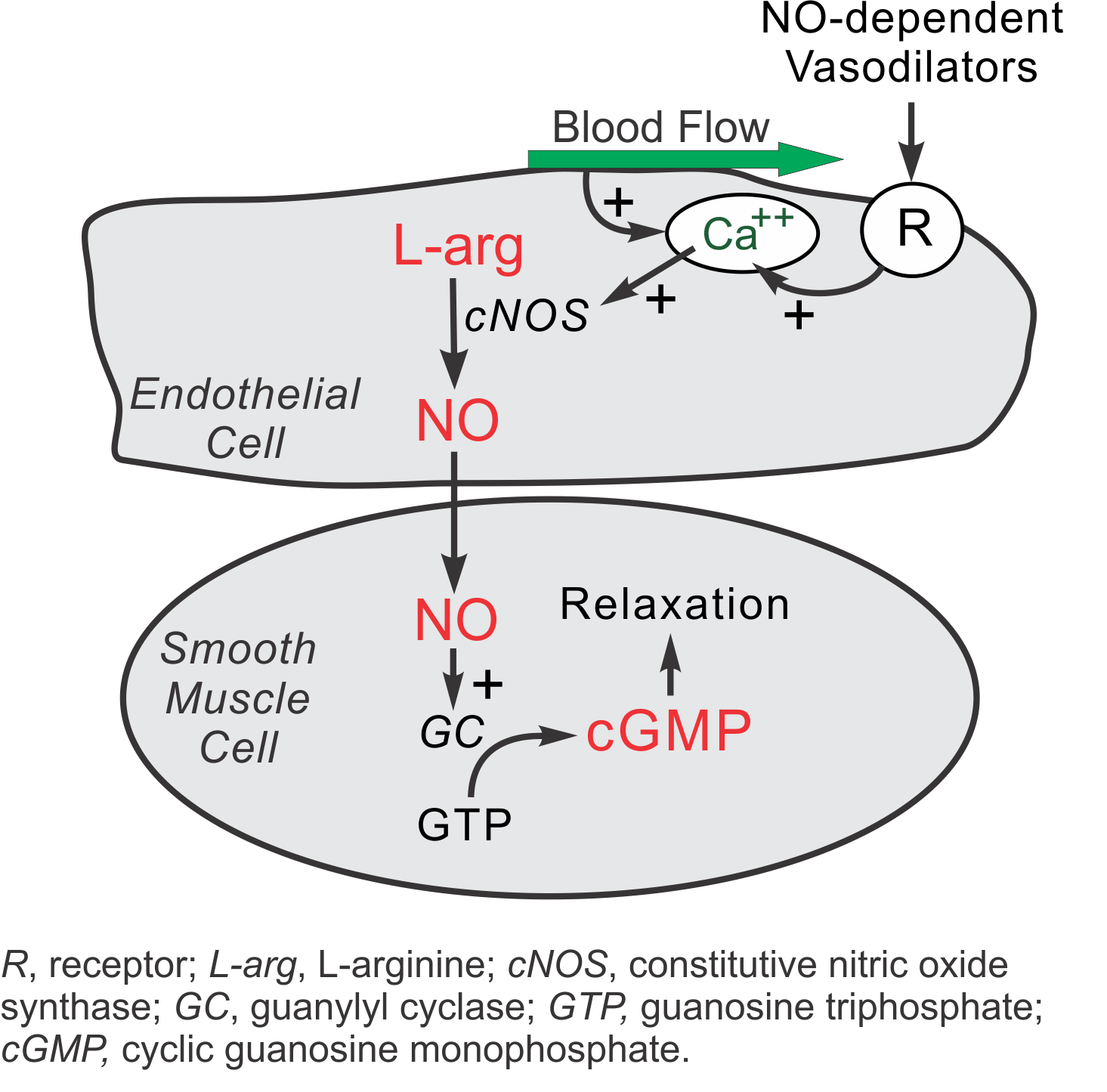
The legs are far from the heart. Gravity works against venous return. Any vascular stiffness, plaque buildup, or blood thickening affects them first.
Symptoms of poor circulation may include:
-
Cold feet
-
Numbness or tingling
-
Leg cramps
-
Swelling
-
Slow wound healing
Supporting vascular tone through diet can complement medical care.
🥇 1. Pomegranate
Rich in polyphenols and nitrates, pomegranate may:
-
Improve endothelial function
-
Enhance nitric oxide activity
-
Reduce oxidative stress
These effects support vasodilation — widening of blood vessels.
🥈 2. Salmon (and Fatty Fish)

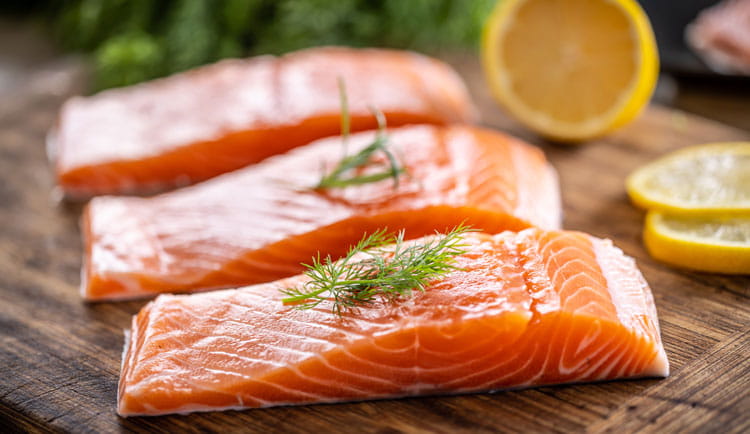

High in omega-3 fatty acids (EPA and DHA), fatty fish may:
-
Reduce vascular inflammation
-
Improve blood flow
-
Lower triglycerides
-
Reduce arterial stiffness
Aim for 2 servings weekly if medically appropriate.
🥉 3. Dark Chocolate (70%+ Cocoa)
Cocoa flavonoids may:
-
Increase nitric oxide production
-
Improve endothelial function
-
Support mild blood pressure reduction
Moderation is key — small portions only.
4. Garlic


Garlic contains allicin, which may:
-
Promote vasodilation
-
Support blood pressure regulation
-
Reduce platelet aggregation
Raw or lightly cooked garlic preserves more active compounds.
5. Avocado
Rich in:
-
Potassium
-
Monounsaturated fats
-
Antioxidants
These nutrients help:
-
Balance blood pressure
-
Support arterial flexibility
6. Berries (Blueberries, Raspberries)


Anthocyanins in berries may:
-
Strengthen blood vessel walls
-
Reduce inflammation
-
Improve circulation efficiency
7. Watermelon
Contains citrulline, which may:
-
Convert to arginine
-
Support nitric oxide production
-
Enhance blood vessel dilation
Hydration also directly supports circulation.
8. Walnuts


Walnuts provide plant-based omega-3 (ALA), supporting:
-
Anti-inflammatory pathways
-
Vascular elasticity
9. Leafy Greens (Spinach, Arugula)
High in natural nitrates, leafy greens may:
-
Enhance nitric oxide availability
-
Improve endothelial responsiveness
They also support overall cardiovascular health.
🔟 10. Beetroot
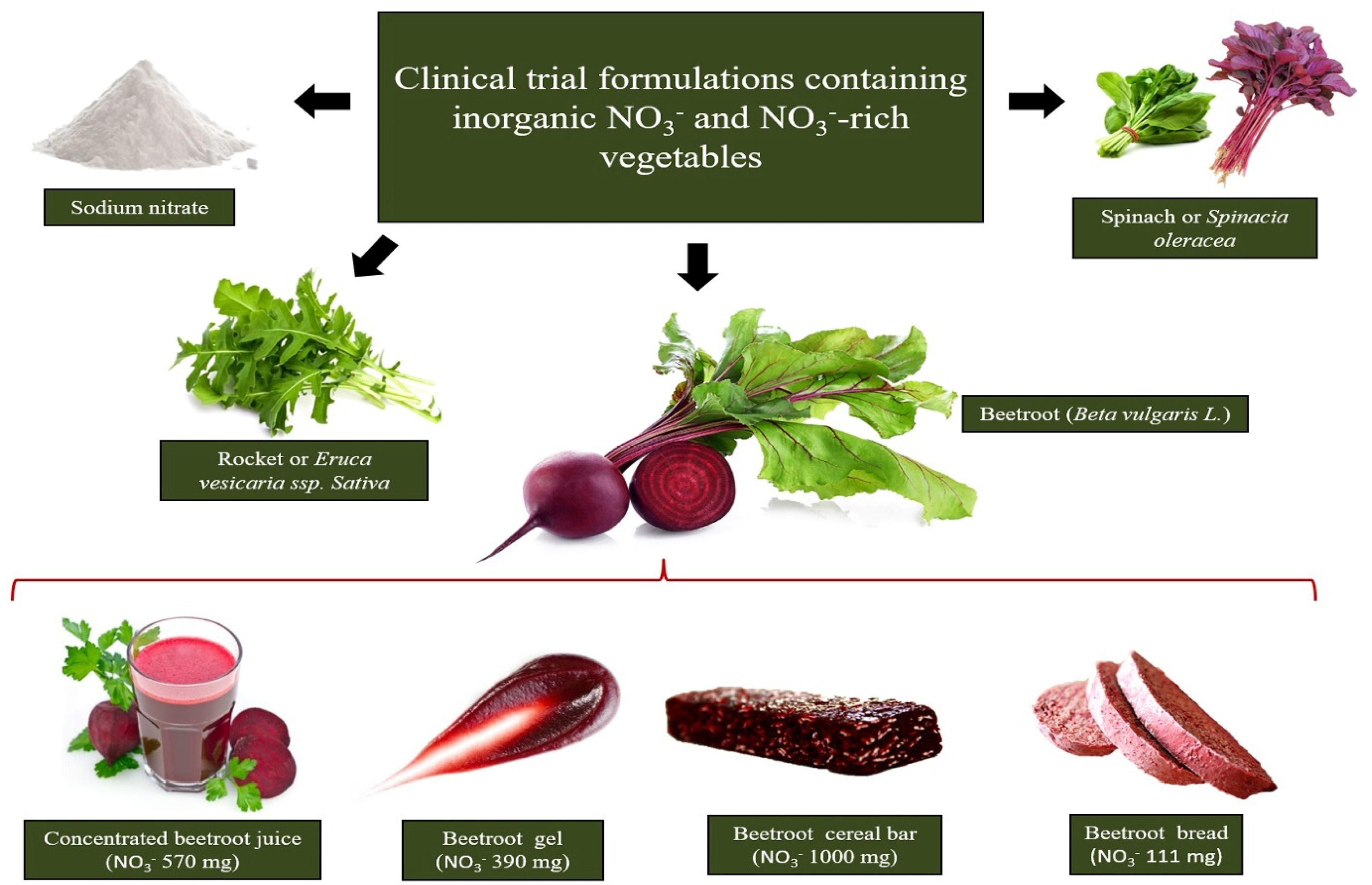

Beets are among the richest dietary nitrate sources.
Clinical studies show beetroot may:
-
Improve blood flow
-
Support exercise performance
-
Reduce systolic blood pressure
⚠️ Important Medical Context
Food supports circulation — but it does not replace treatment for:
-
Peripheral artery disease (PAD)
-
Diabetes-related vascular damage
-
Chronic venous insufficiency
-
Deep vein thrombosis
If symptoms include:
-
Severe leg pain during walking (claudication)
-
Non-healing wounds
-
Sudden swelling
-
Skin discoloration
Medical evaluation is essential.
🏃♂️ Diet Alone Is Not Enough
Circulation improves most effectively when nutrition is combined with:
-
Regular walking or leg movement
-
Strength training
-
Smoking cessation
-
Blood pressure control
-
Blood sugar management
-
Adequate hydration
Movement stimulates venous return — food cannot substitute for that.
The Bottom Line
Healthy circulation in the legs depends on vascular flexibility, reduced inflammation, and efficient nitric oxide signaling.
The foods above support those mechanisms through antioxidants, nitrates, omega-3 fats, and potassium.
Consistency matters more than occasional intake.
Nutrition is not a miracle fix — it is a long-term vascular strategy.
Support your arteries daily, and your legs will feel the difference over time.