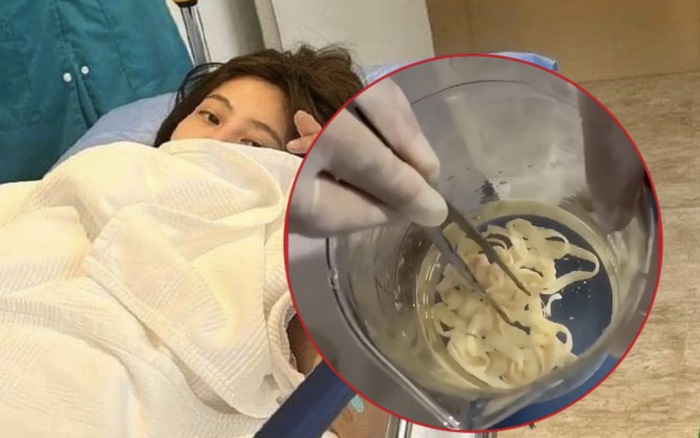
A 32-year-old woman pas.sed a LIVE 3-METER-LONG organism — doctors pointed to a common kitchen item as the hidden cause.
The woman insisted that she always ate fully cooked food and rarely dined out. The real problem turned out to be how she used her cutting board.
After using the bathroom, Ms. Zhang (32) was shocked to see a long white strip mixed in her stool, resembling a “noodle.” It wasn’t just a small fragment — it seemed to stretch endlessly.
Terrified, she rushed to the hospital, bringing the strange living organism with her. The diagnosis left her stunned: it was a beef tapeworm, a parasite that can live inside the human intestine for years and grow several meters long.
The worm removed from her body measured about 3 meters, thin and white like a ribbon. What puzzled her most was that she never ate rare meat or raw food. So how did she become infected?
After carefully reviewing her daily habits, doctors discovered a crucial detail: she had been using only one cutting board in her kitchen for years — for slicing raw beef and pork, as well as cutting fruit and ready-to-eat foods. She usually rinsed the board with water only, avoided detergent because she believed it was harmful, and never disinfected it with boiling water.
Doctors concluded that this was the source of infection. When cutting raw meat containing tapeworm cysts, eggs, or larvae, microscopic parasites can remain on the surface of the board. If the same board is then used for ready-to-eat food without thorough cleaning, the parasites can enter the body through the mouth, settle in the intestines, and grow into adult worms. Beef was a favorite food in Ms. Zhang’s household, so she prepared it frequently.
Like Ms. Zhang, many people believe that avoiding raw food guarantees safety. However, cross-contamination in the kitchen is often the hidden danger.
What is a beef tapeworm? How is it transmitted and how dangerous is it?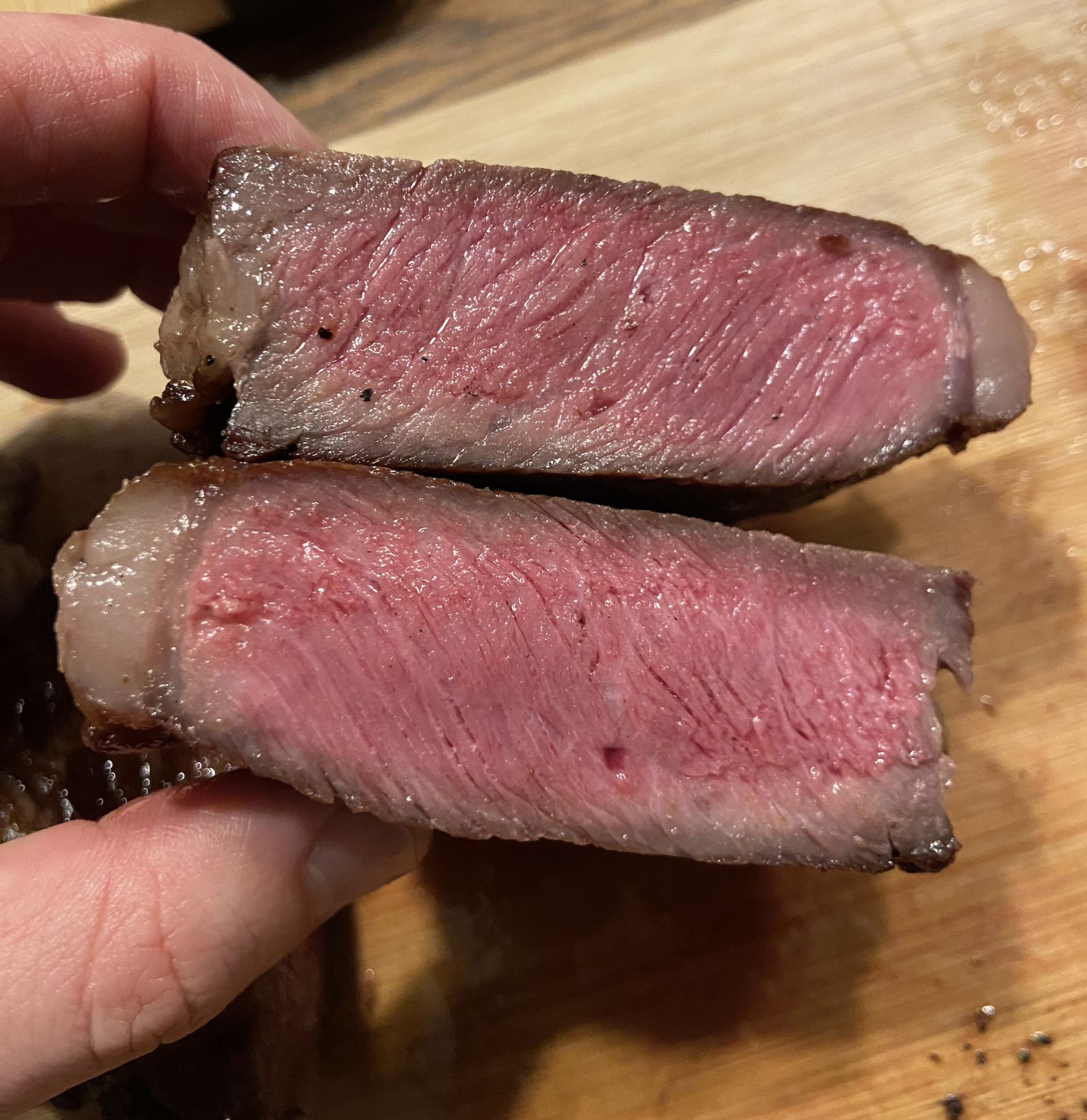
According to the Centre for Health Protection in Hong Kong, the beef tapeworm (Taenia saginata) is a flat, pale white parasite that can grow longer than 6 meters.
Tapeworm eggs are released into the environment through human feces. Cattle ingest the eggs, which then develop into cysts in the animal’s muscles. Humans become infected by eating undercooked beef or food contaminated through cross-contact.
Once inside the small intestine, the larvae attach to the intestinal wall and develop over several months. Many infected individuals have no obvious symptoms and only discover the infection after noticing worm segments in their stool.
However, tapeworms can cause dull abdominal pain, digestive disturbances, nausea, weight loss, and nutrient deficiencies. In severe cases, extremely long worms may cause intestinal blockage or other complications.
After confirming the diagnosis through endoscopic examination, Ms. Zhang was given specialized anti-parasitic medication designed to paralyze and eliminate the worm — especially its head, which must be completely removed to prevent regrowth. Doctors monitored her stool for several consecutive days to ensure the head had been fully expelled. Her health is now stable, though she has been scheduled for follow-up visits to prevent reinfection or residual parasites.
Following this case, Professor Ho Pak-leung, Director of the Centre for Infection and Infectious Diseases at the University of Hong Kong, warned about six high-risk foods commonly associated with parasitic infections:
-
Rare or undercooked beef and steaks
-
Undercooked ground beef or meatballs
-
Animal organs
-
Raw or undercooked freshwater fish
-
Raw seafood such as sashimi, oysters, and squid
-
Ready-to-eat food contaminated by utensils used for raw meat
Three ways to prevent parasitic infections:
Professor Ho emphasized that extra caution is needed during family gatherings or festive seasons when cooking increases.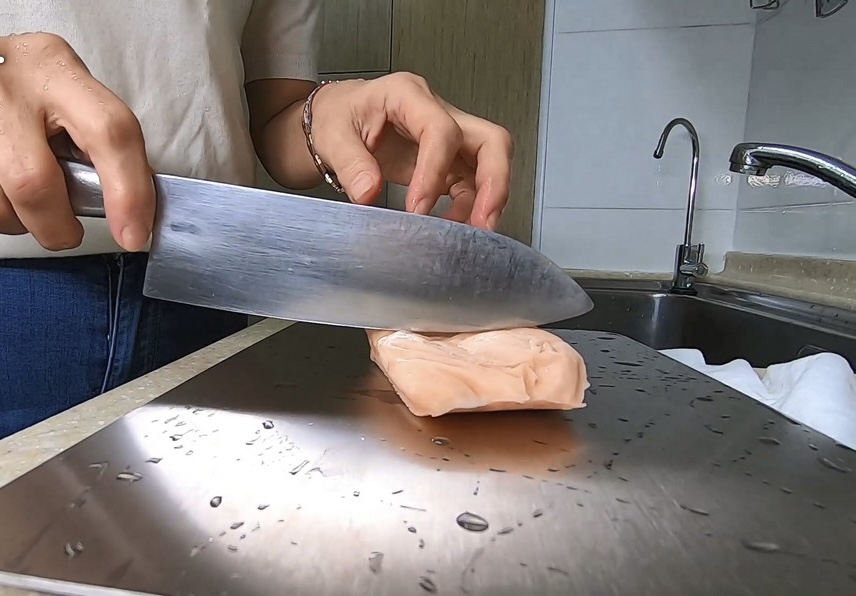
Three essential rules should be remembered to prevent beef tapeworm and other parasites:
-
Separate raw and cooked utensils: Every kitchen should have at least two sets of knives and cutting boards — one for raw meat and seafood, and another for cooked food and fruit. After use, wash thoroughly and periodically disinfect by soaking in boiling water for at least 15 minutes.
-
Cook food thoroughly: Beef and red meat should be cooked until no pink remains in the center, with an internal temperature above 70°C. Avoid rare meat and undercooked seafood.
-
Maintain strict hygiene: After handling raw meat, wash hands with soap for at least 20 seconds. In the refrigerator, raw meat should be tightly wrapped and stored on the lowest shelf to prevent dripping juices from contaminating other foods.
Additionally, proper freezing can kill certain parasites, but it should never replace thorough cooking.