My father-in-law thought i was too modern for his son until he got to know me
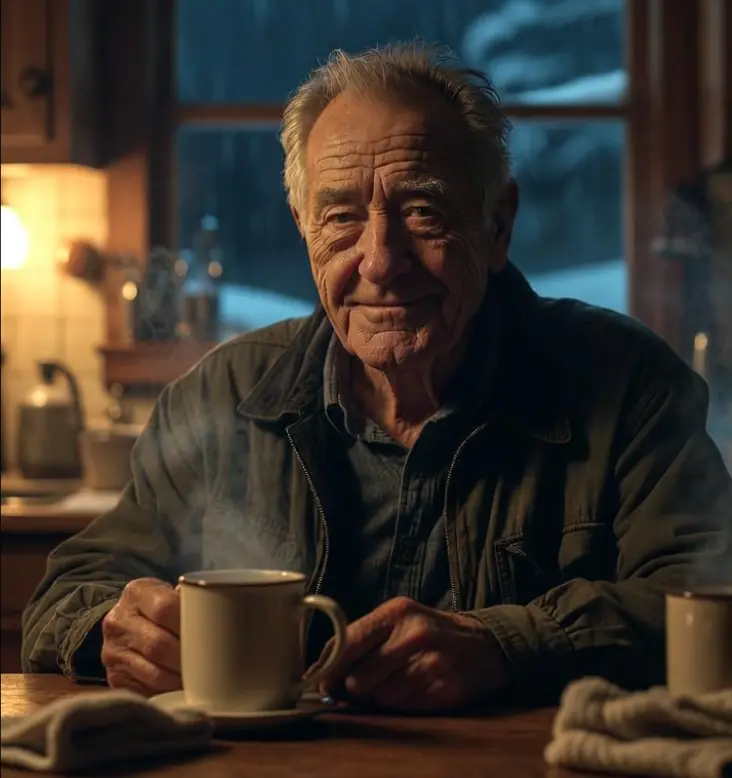
In the world of my father-in-law, Arthur, things were built to last, and they were built with your hands. Arthur is a retired civil engineer who lives in a house he framed himself forty years ago in rural Pennsylvania. He believes in the tangible: the weight of a hammer, the smell of sawdust, and a career that ends with a pension and a gold watch. When his son, David, brought me home, I think Arthur saw me as a creature from a different, less stable planet.
I am a digital archivist and a documentary researcher. My work exists in the "cloud," a place Arthur views with profound suspicion. To him, my career looks like "staring at a glowing rectangle for eight hours a day." I don't produce a physical product, I don't have a commute, and I wear sneakers to work in my home office.
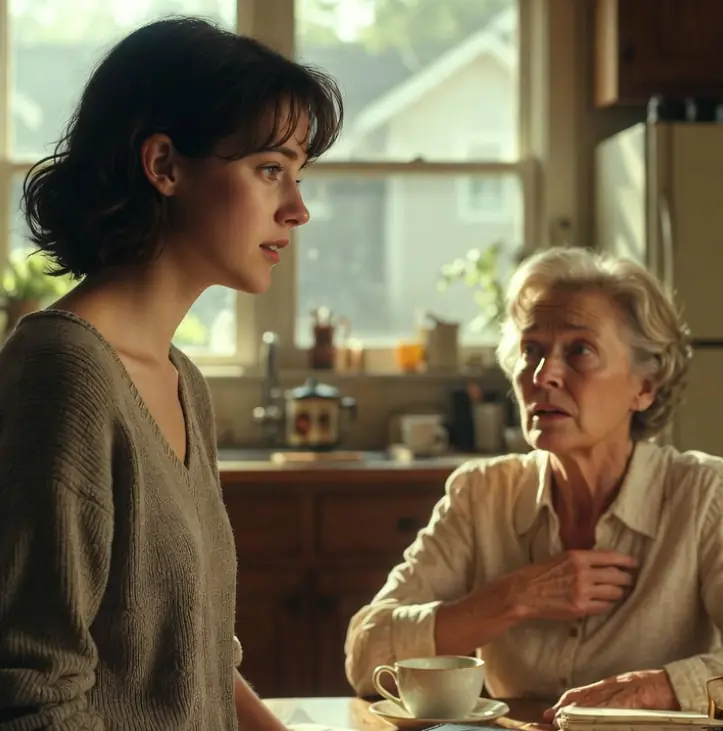
For the first three years of our marriage, our relationship was a masterclass in polite, generational friction. Arthur never raised his voice, but he had a way of asking questions that made my entire life feel experimental.
"So, Elena," he’d say during our visits, his eyes scanning my laptop bag as if it contained top-secret, unnecessary information. "You’re still doing that... data work? Don't you worry about what happens when the power goes out? Seems like a lot of effort for something you can't hold in your hand."
"It’s about preserving history, Arthur," I’d explain, trying to keep my voice light. "I make sure things aren't lost to time."
He would just nod slowly, a look of quiet skepticism on his face. "In my day, if you wanted to preserve history, you printed it on paper and put it in a filing cabinet. You knew where it was."
David, caught in the middle, would try to bridge the gap. "Dad, Elena’s brilliant. She’s helping libraries and museums organize their entire collections. It’s important work."
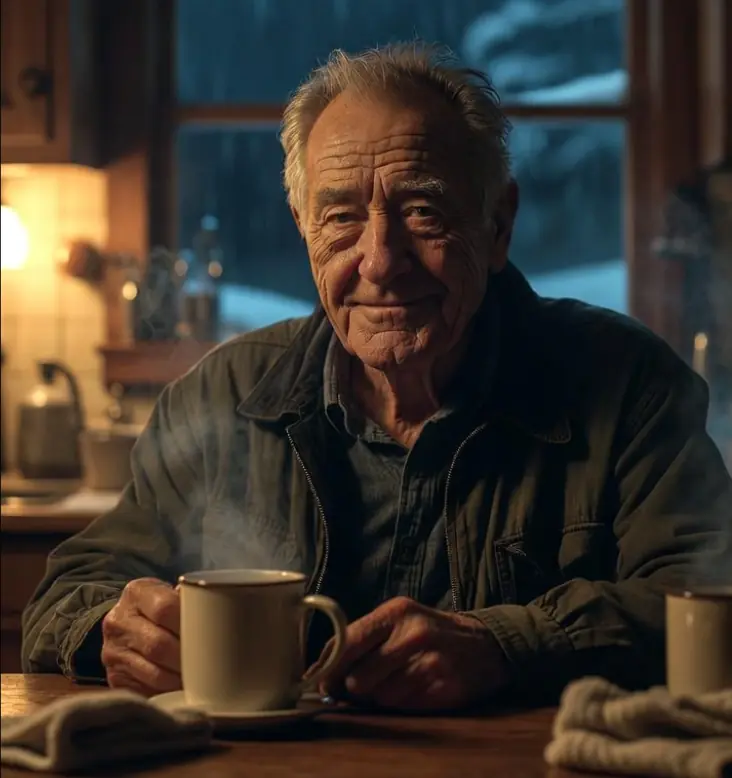
Arthur would just grunt and go back to his woodworking. I felt like a footnote in his life—a "modern" distraction that his son had picked up along the way. I worried that he saw me as someone who didn't understand the value of hard work or the weight of legacy.
The turning point happened last November. Arthur’s seventy-fifth birthday was approaching, and the family decided it was time to finally go through the "archives" in his basement. For decades, Arthur had been the unofficial historian of the Miller family, but his system was, in his own words, "a bit weathered."
There were hundreds of photos, letters from the Great War, old deeds to the family farm, and rolls of 8mm film that hadn't been seen in fifty years. The sheer volume of it was overwhelming. Arthur wanted to create a book for the grandkids, but he was drowning in the physical clutter of the past.
I saw him sitting at his workbench one evening, staring at a box of water-damaged photos from his own childhood. He looked defeated. For a man who could build a bridge, the task of organizing a lifetime was proving to be an impossible mountain.
"Do you want some help with that?" I asked, standing in the doorway of the basement.
"It’s a mess, Elena," he said, not looking up. "I don't think your computer can fix seventy years of dust."
"Maybe not the dust," I said, stepping into the room. "But it can help us see the story. Let me just show you one thing."
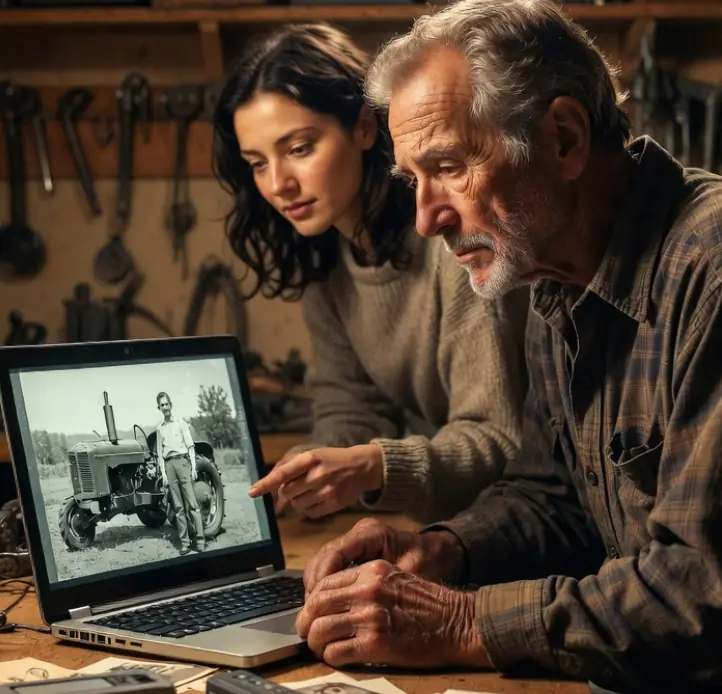
I brought down my portable high-resolution scanner and my laptop. I took one of the most damaged photos—a shot of Arthur and his father standing in front of their first tractor—and I scanned it. As the image appeared on the screen, I used a restoration program to gently lift the water stains and sharpen the faded edges.
Arthur leaned in. His breath hitched as he saw his father’s face emerge from the blur, clearer than it had looked in decades.
"How did you...?" he whispered, his hand hovering near the screen but afraid to touch it.
"I’m just doing what I do for the museums, Arthur," I said. "I’m making sure the story isn't lost."
For the next ten days, the basement became our shared workshop. The generational tension didn't vanish instantly, but it transformed. We worked in a new kind of rhythm. Arthur was the "physical" lead; he would tell me the names, the dates, and the context of every scrap of paper. I was the "digital" lead; I would scan, categorize, and restore.
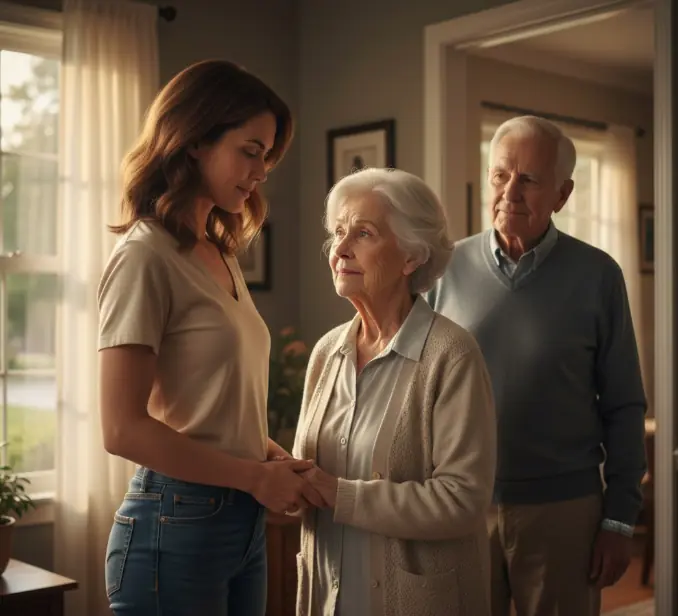
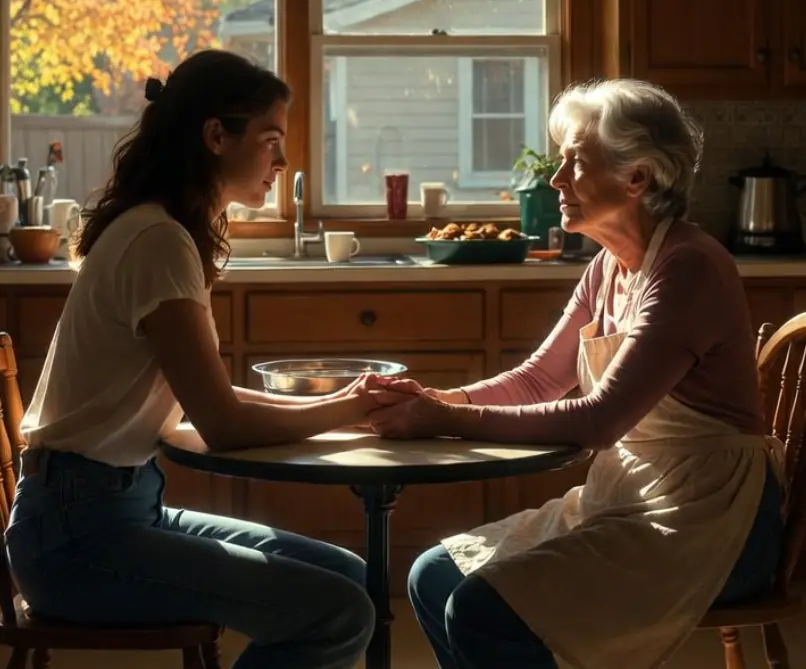
As we worked, the barriers came down. Arthur started telling me stories he had never told David—about the fear he felt during his first year of engineering, and the pride he felt when he saw his mother’s signature on the deed to their first house.
"I thought your work was just... buttons," he admitted one night as we were finishing a batch of letters from the 1940s. "I didn't realize it was a craft. You’re not just staring at a rectangle, are you? You’re building a library."
"It’s just a different kind of hammer, Arthur," I said, smiling at him.
By the time his birthday arrived, we had produced a digital family archive that the entire extended family could access from their phones, plus a high-quality printed book that Arthur could hold in his hands.
At the birthday dinner, Arthur stood up to give a toast. He looked at David, then at the grandkids, and finally, his gaze settled on me. He wasn't wearing his "skeptical" face anymore.
"I used to think the world was moving too fast," he said, his voice steady and warm. "I thought the new ways of doing things were just shortcuts. But I was wrong. My daughter-in-law, Elena... she showed me that the tools don't matter as much as the heart behind them. She took my old, dusty boxes and turned them into a legacy that will last another hundred years. She’s got a builder’s spirit, even if she doesn't use a saw."
He raised his glass toward me, a genuine, respectful smile on his face. "To Elena. For keeping the story alive."
The "modern" daughter-in-law and the "traditional" father-in-law had finally found a common ground. I realized that Arthur didn't need me to be someone who worked in a factory or built houses; he just needed to see that I valued the same things he did: family, history, and the integrity of a job well done.
We are the Millers, and we still have our differences. Arthur still thinks I spend too much on organic coffee, and I still think his basement stairs are a safety hazard. But the tension is gone. Now, when we visit, we don't sit in silence. We sit at his workbench, looking at the "cloud," and he asks me to show him how to zoom in on the faces of the people who came before us.
I’ve learned that generational gaps aren't meant to be closed; they’re meant to be bridged. And sometimes, the best bridge is built with a scanner, a laptop, and a whole lot of patience.
Love doesn't require us to have the same career or the same lifestyle. It just requires us to recognize the beauty in the way the other person contributes to the family story. And as I watch Arthur showing the digital photo album to his youngest grandson, I realize that I’m no longer an outsider. I’m the keeper of the flame.