Early warning signs of kidney disease
There are a number of warning signs of a kidney disorder, however, most of the time these are ignored or confused with alternative pathologies because of their non-specific nature. Therefore, one has to be very watchful and should get the confirmatory tests (including blood, urine, and imaging) done at the earliest appearance of any sign of a kidney disorder.
While the only definitive way to diagnose a kidney disease is to get confirmatory tests done, here are some of the early warning signs of a kidney disease:
1. Frequent Trips to the Bathroom
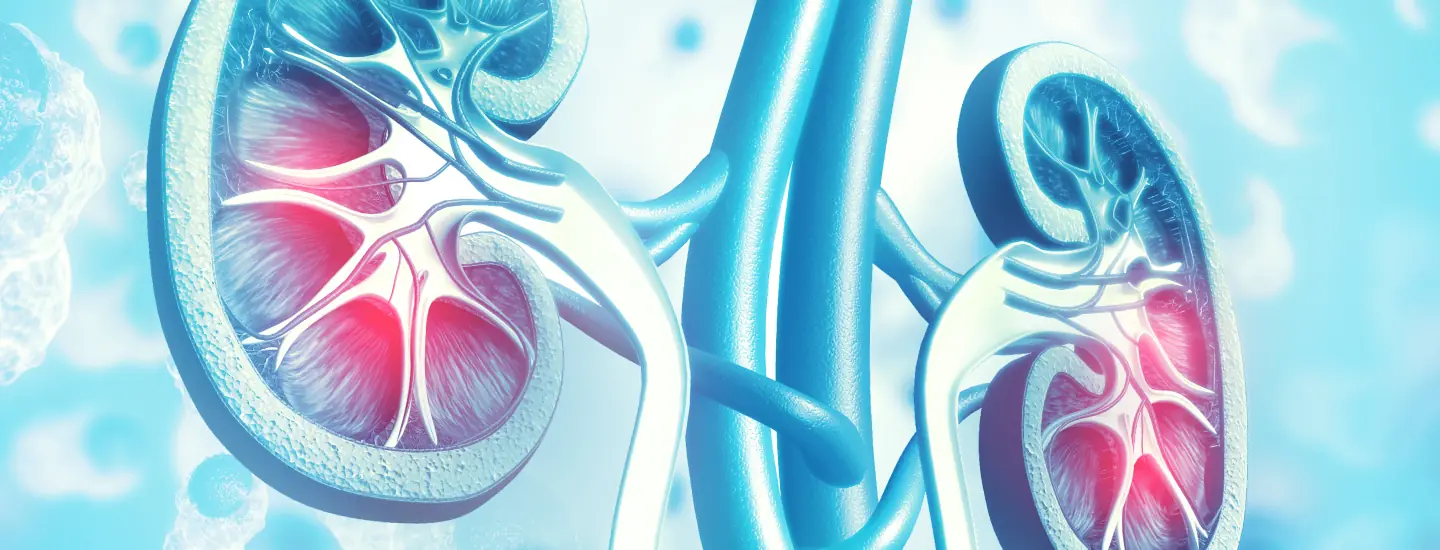
Usually the most obvious sign of kidney distress is a change in the habits of urination. One has to keep a very careful watch on his or her urine output. For instance, you may feel the need to urinate more often, especially at night.
It can be a warning sign and may indicate that the kidney filtering units are damaged or in the process of being damaged. Sometimes this can also be a sign of some urinary tract infection or enlarged prostate in men.
Urine production is a function of the kidneys and therefore any major change such as: less urine, urinating more often, change in colour, foam, smell, pain, or blood in urine, can all indicate an issue with the kidneys.
If you find yourself heading to the restroom with increased frequency, it could be a sign that something is up with your kidneys.
2. Change in Colour, Consistency or Nature of Urine
Your urine has bubbles that will not go away when you flush the toilet. This foam is similar to the foam you see when scrambling eggs because the protein found in urine is albumin, which is the same protein that is found in eggs.
Excessive FROTHYNESS in the urine indicates the presence of protein in the urine (which under normal circumstances should be negligible). When the filtering mechanism of the kidney has been or is being damaged, protein, blood cells start to leak out into the urine.
In addition to signalling kidney disease, blood in the urine can indicate tumours, kidney stones or any kind of infection. Also, pus in urine along with fever or chills can be serious and may indicate pyelonephritis (infection of the kidneys).
“One of the earliest tell-tale signs of kidney disease is leakage of protein in the urine.” says Dr Goh Huck Keen, Nephrologists at Island Hospital.
3. Protein or Blood in Urine
You must get a check up from your doctor in order to see if there is any blood present in your urine, which is part of a routine physical.
Blood in the urine is a common symptom of kidney disease, and may make your urine look red or brown. Kidney damage will cause protein to be leaked into your urine, along with blood cells.
It is a good idea to get yearly check-ups, especially if you have any other factors that could contribute to kidney disease such as diabetes.
A trace of one type of protein, albumin in urine (albuminuria) is an early sign of chronic kidney disease. Persistent amounts of albumin and other proteins in the urine (proteinuria) indicate kidney damage.
4. Lower Back Pain
Musculoskeletal problems are the most common cause of back pain, but occasionally, it could be kidney pain.
If you are experiencing pain that moves towards your side and groin area, or if you have a fever or urinary symptoms, then your kidneys could be the source.
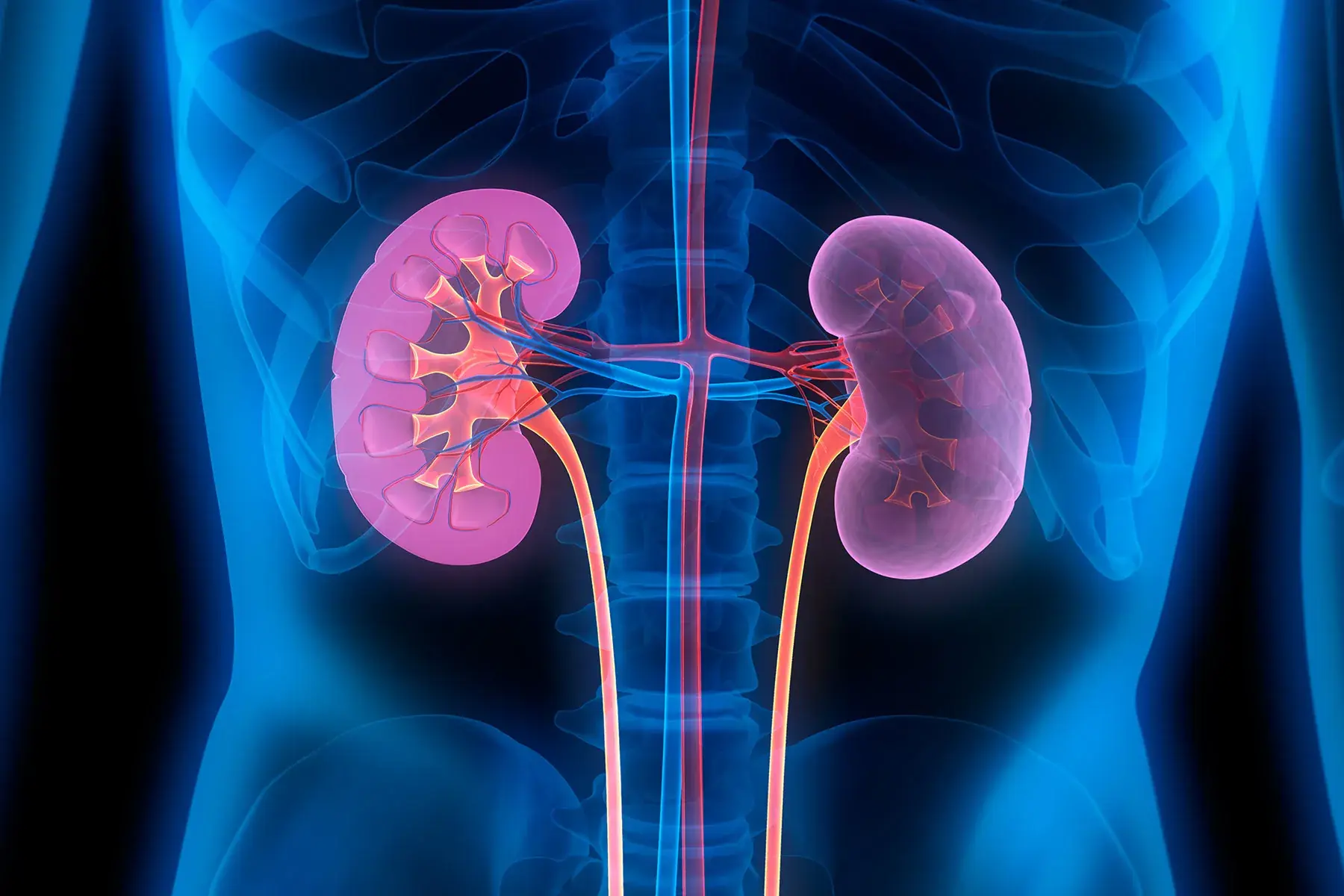
Your kidneys are located in the back of your abdomen, just under your ribcage, on each side of your spine. Pain in your sides or middle to upper back could be coming from your kidneys.
However, having pain in your back or sides does not necessarily mean there is something wrong with your kidneys. It is possible to have pain on only one side if only one kidney has problem or both sides if both kidneys are affected.
Pain from your kidneys can register as lower back pain, found below the rib cage, or even on the sides. Kidney pain can be so intense that you may not be able to move and even be brought down to your knees from the intensity of the pain.
5. Swelling over the ankles, feet or legs
The kidneys filter wastes from the blood and remove excess water from the body via urine. When the kidneys are not doing their job, this fluid can stay in the system instead of being excreted.
Decreased kidney function leads to sodium retention which may cause swelling in your ankles, feet or legs. Swelling around the hands, feet, and ankles may be associated with kidney or heart failure and should not be dismissed.
One will start to notice edema at these sites which pits on applying pressure and is termed as pitting edema. As the kidney function begins to fall there is sodium retention which causes swelling in your shin and ankles.
In short, any people noting new onset pedal edema should get an immediate evaluation of his/her renal function after visiting nephrologists.
Some causes of kidney failure are treatable and the kidney function may return to normal. Unfortunately, kidney failure may be progressive in other situations and may be irreversible.
Awareness of Warning Signs
What you should not forget:
- Early chronic kidney disease has no signs or symptoms.
- Chronic kidney disease usually does not go away.
- Kidney disease can be treated. The earlier you know you have it, the better your chances of receiving effective treatment.
- Blood and urine tests are used to check for kidney disease.
- Kidney disease can progress to kidney failure.
A person can lose up to 90% of their kidney functions before experiencing any symptoms.
What lifestyle changes may help?
Drink plenty of water
This is the most common and simplest way to keep your kidneys healthy. Consuming plenty of fluids, especially water helps the kidneys clear sodium, urea and toxins from the body.
Low sodium/salt diet
Keep your sodium or salt intake in control. This means you need to cut off packaged/ restaurant foods too. Also, do not add extra salt to your food.
Maintain healthy body weight
Eat healthy and keep your weight in check. Also, eliminate saturated fats from the diet and emphasise on having lots of fruits and vegetables daily.
Keep a regular control of blood sugar levels
Kidney damage in diabetic patients can be prevented if detected early. Therefore, it is advisable to keep a regular check on your blood sugar levels.
Follow your doctor’s advice about insulin injections, medicines, diet, physical activity and monitoring your blood sugar.
Monitor and control blood pressure
In case you have a problem of hypertension, maintain a healthy lifestyle and make necessary dietary changes if possible. High blood pressure can cause kidney problems besides leading to a stroke or heart attack.
Have your blood pressure checked regularly. Medications used to lower blood pressure (anti-hypertensive medications), such as ACE inhibitors or angiotensin blockers, can slow the development of kidney disease.
Get annual health screening
Regular blood and urine tests are crucial for individuals who are at a higher risk for developing renal disease. The blood test indicates how well the kidneys are working as it measures creatinine, a waste product.
When kidney function is compromised, the organs have difficulty removing creatinine from the blood. A urine test to measure the amount of albumin, a type of protein, in the urine can point to compromised kidney function.
These simple tests are vital for those who are at risk of developing kidney disease.
Exercise Regularly
Regular physical exercise is ideal for maintaining healthy blood pressure levels; it also helps control chronic conditions such as diabetes and heart disease.
You should check with a doctor that an exercise program is suited to their age, weight, and health. Without prompt diagnosis and treatment, kidney disease can be fatal.
However, if it is caught early on, lifestyle changes and medications to control high blood pressure, cholesterol levels, anaemia and swelling can be effective in slowing down the progression of kidney disease and minimizing complications.
When Should I See My Doctor About Kidney Pain?
You should see your doctor immediately if you are experiencing the following symptoms:
- Constant, dull pain in one side of your back or flank
- Body aches, fatigue, fever
- Recent urinary tract infection (UTI)
If you suddenly experience severe kidney pain, with or without blood in your urine, you should seek emergency medical care. Sudden, severe pain can often be a sign of a blood clot or haemorrhage, and you should be evaluated immediately.
Kidney pain has several very important issues to deal with simultaneously, such as getting to the best health care facility in the shortest amount of time, removing the pain, assessing the urinary system to not only find the initial cause of the kidney pain, but to also assess any damage that may have been created to other organs.
If you have hypertension, diabetes, coronary artery disease (CAD), a family history of the same or kidney failure or even if you are older than 60 years, it is advisable to get kidney tests done on regular basis.
The treatment for kidney pain depends on what is causing it. Simple blood and urine tests show how well the kidneys are doing their job and how quickly body wastes are being removed. Urine tests can also detect whether the kidneys are leaking abnormal amounts of protein, a sign of kidney damage.
You may also need to have imaging tests, such as an ultrasound or CT scan, to help figure out what is causing your pain. When we know what is causing your pain, we can prescribe the right treatment for you.
Regardless of your age, simple treatments can slow the progression of kidney disease, prevent complications and improve quality of life.
Make an appointment at Island Hospital today if you notice any of the symptoms listed above. There could be other possible causes, but you will need to see your doctor to find out what the problem is and what treatment you need.