8 Subtle Body Signals You Should Never Ignore
Our bodies are constantly communicating with us — often through signals so subtle that we easily overlook them. While major symptoms like severe pain or high fever clearly demand medical attention, many early warning signs of health problems develop quietly and slowly. Ignoring these small clues can allow underlying conditions to progress unnoticed, sometimes with serious consequences.
Here are 8 imperceptible changes in your body that could be subtle warnings of health issues. Recognizing them early could make all the difference in prevention, diagnosis, and treatment.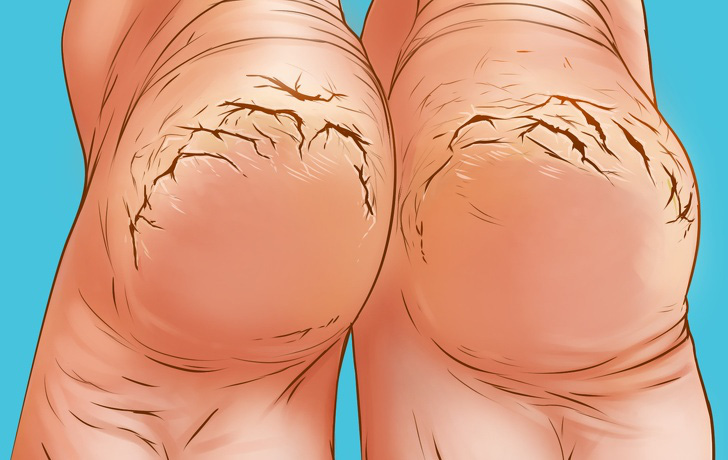
1. Persistent Fatigue That Won’t Go Away
Feeling tired from time to time is normal — especially after a long day. But if you find yourself constantly exhausted despite rest, it might be your body signaling something more serious. Chronic fatigue can indicate issues like anemia, thyroid dysfunction, sleep disorders, or even early signs of heart disease.
2. Changes in Skin Texture or Color
Your skin often reflects what’s happening inside your body. Watch for uneven patches, dryness, discoloration, yellowing (jaundice), or sudden dark spots. These could be signs of liver problems, hormonal imbalance, vitamin deficiencies, or even early skin cancer. Don’t overlook skin changes that stick around.
3. Unexplained Weight Fluctuations
Weight changes without changes in diet or activity may be more than “metabolism” talking. Rapid weight loss could signal conditions like thyroid overactivity, diabetes, or digestive disorders. On the other hand, sudden weight gain might be linked to fluid retention, heart or kidney problems, or hormonal imbalance.
4. Persistent Digestive Disturbances
Occasional bloating or indigestion is common, but frequent gas, discomfort, constipation, or diarrhea shouldn’t be ignored. These symptoms could be signs of food intolerance, irritable bowel syndrome, infections, or nutrient malabsorption. If digestive issues persist beyond a few weeks, it’s time to check with a doctor.
5. Frequent Headaches or Migraines
Headaches are a common complaint — but when they become frequent or increase in intensity, they can indicate underlying issues like high blood pressure, vision problems, stress overload, hormonal shifts, or neurological concerns. Severe, sudden-onset headaches also warrant immediate medical attention.
6. Persistent Thirst and Increased Urination
Needing a drink occasionally is normal, especially when active or dehydrated. But if you notice constant thirst and frequent urination even when well hydrated, it could be an early sign of diabetes or kidney dysfunction. These changes deserve proper medical evaluation.
7. Shortness of Breath With Minimal Activity
Getting winded after intense exercise is expected. However, if you become short of breath during light activity — like walking up stairs or carrying groceries — it could signal cardiovascular or respiratory issues. Early detection of conditions like asthma, chronic obstructive pulmonary disease (COPD), or heart disease significantly improves outcomes.
8. Unusual Pain or Numbness
Pain or numbness that persists without clear cause — especially in the limbs, chest, or face — should never be dismissed. Numbness or tingling can suggest nerve compression, vitamin deficiencies, circulation problems, or neurological conditions.
Why These Small Signs Matter
Many serious health conditions begin with symptoms that are subtle and easily brushed off. The danger comes not from the symptoms themselves, but from what they might represent beneath the surface. Ignoring early warning signs allows health issues to progress silently, sometimes until they become severe or even life-threatening.
Listening to your body and acting on these signals — especially if multiple symptoms appear together — can lead to earlier diagnosis and more effective treatment. Doctors often emphasize that prevention and early intervention save lives, not just cures after advanced disease develops.
When to See a Doctor
If you notice any of these changes consistently over several weeks — or if symptoms worsen — schedule a professional evaluation. Bring notes about when the symptoms began, how often they occur, and what, if anything, triggers them. Honest communication with your healthcare provider helps them make accurate assessments and create the best care plan for you.
Final Thought
Your body is sending signals every day. Some are loud and unmistakable — others are subtle and easy to miss. Learning to recognize and respect these quiet warnings can help you stay in tune with your health and take proactive steps before problems become serious.
Pay attention. Act early. Your health depends on it.