⚠️ Warning: 10 Overlooked Symptoms That Could Signal Blood Cancer


Blood cancer is often called a “silent disruptor.” It doesn’t always arrive with dramatic warning signs. Instead, it can creep in quietly, blending into everyday fatigue, mild infections, or skin changes that seem harmless. But the body is rarely random. When something is wrong at the cellular level—especially in the blood—it leaves subtle clues.
Blood cancers primarily include leukemia, lymphoma, and multiple myeloma. These conditions interfere with the normal production and function of blood cells. Because blood circulates everywhere, symptoms can appear in multiple systems at once.
Let’s break down 10 commonly overlooked symptoms that deserve attention.
1. Persistent Fatigue That Doesn’t Improve
Feeling tired after a long day is normal. Feeling exhausted despite adequate sleep? That’s different.
When abnormal white blood cells crowd out healthy red blood cells, oxygen delivery drops. This leads to anemia-like fatigue. If exhaustion feels disproportionate to activity levels and lasts for weeks, it’s not something to ignore.
2. Unexplained Bruising or Bleeding


Bruises appearing without injury. Frequent nosebleeds. Bleeding gums while brushing.
Low platelet counts are common in certain blood cancers. Platelets are responsible for clotting. When levels drop, even minor bumps can leave visible marks. Tiny red or purple dots on the skin (petechiae) may also appear.
This isn’t about one random bruise. It’s about a pattern.
3. Frequent Infections
Getting sick occasionally is normal. But recurring infections—especially unusual or severe ones—can signal immune dysfunction.
Abnormal white blood cells may look numerous on lab tests but fail to fight infection effectively. If infections keep coming back or take longer to resolve, further evaluation is warranted.
4. Swollen Lymph Nodes


Painless swelling in the neck, underarms, or groin can indicate lymphatic involvement.
Lymph nodes are part of the immune system. In lymphoma, these nodes can enlarge due to malignant cell accumulation. If swelling persists for several weeks without signs of infection, it should be examined.
5. Night Sweats
Waking up drenched in sweat—especially repeatedly—can be significant.
“Drenching night sweats” are often described in lymphoma cases. They are different from mild overheating. They may require changing clothes or bedding.
6. Unintentional Weight Loss

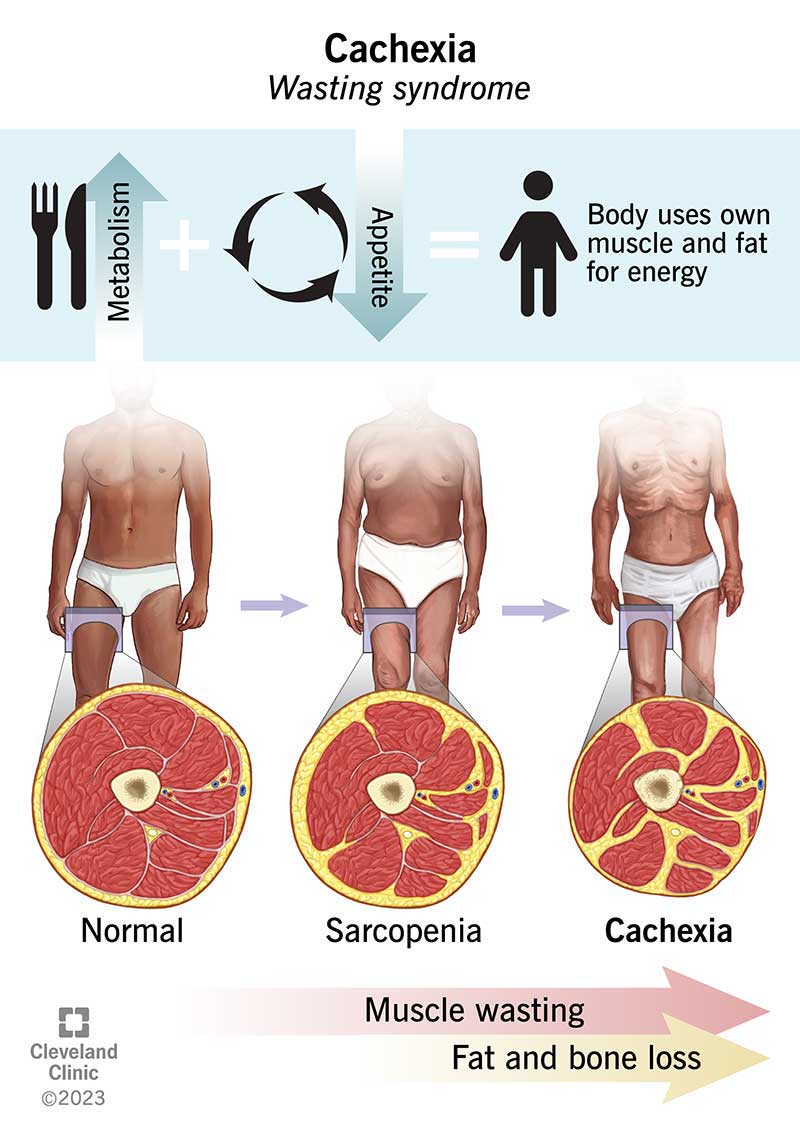

Sudden weight loss without diet changes or increased exercise can signal systemic disease.
Cancer cells consume energy aggressively. The body enters a hypermetabolic state. Losing more than 5–10% of body weight unintentionally over six months is clinically significant.
7. Bone or Joint Pain
Blood cancers that affect bone marrow can cause deep, aching pain—often in long bones or the back.
This discomfort may be mistaken for arthritis or muscle strain. However, persistent pain without clear injury deserves investigation, especially if accompanied by other symptoms.
8. Shortness of Breath



When red blood cell levels fall, oxygen transport decreases.
This can lead to breathlessness during minimal activity, dizziness, or lightheadedness. If routine tasks suddenly feel physically demanding, it’s not “just being out of shape.”
9. Itchy Skin Without Rash
Unexplained itching—especially severe, persistent itching without visible rash—can be associated with lymphoma.
The mechanism isn’t fully understood, but inflammatory chemicals released by abnormal cells may play a role. Chronic itching without dermatologic explanation should not be dismissed.
10. Abdominal Fullness or Swelling


An enlarged spleen (splenomegaly) can occur in leukemia and lymphoma.
The spleen filters blood. When abnormal cells accumulate, it may enlarge, causing discomfort or fullness—especially in the upper left abdomen. Some people feel full quickly after eating small amounts.
Why These Symptoms Are Often Ignored
Because each symptom alone can mimic something minor:
-
Fatigue = stress
-
Bruising = clumsiness
-
Sweating = warm weather
-
Weight loss = metabolism
It’s the combination and persistence that matter.
Medicine doesn’t operate on isolated symptoms. It evaluates patterns.
When to Seek Medical Advice
Immediate panic is not productive. But awareness is powerful.
Consult a healthcare professional if:
-
Symptoms persist beyond 2–3 weeks
-
Multiple symptoms occur simultaneously
-
Blood tests show abnormal counts
-
There is unexplained enlargement of lymph nodes or spleen
Simple blood work (CBC – Complete Blood Count) is often the first diagnostic step. From there, further imaging or bone marrow evaluation may be recommended if abnormalities are found.
A Final Perspective
This article is not a diagnosis. It’s a prompt for awareness.
Blood cancers are serious conditions—but outcomes improve significantly with early detection and treatment. Modern therapies, including targeted drugs and immunotherapy, have transformed survival rates in many cases.
The body communicates before it collapses. Subtle changes matter.
If something feels persistently “off,” trust clinical evaluation over assumptions.
Because sometimes, what seems small… isn’t.
Health literacy saves lives. Pay attention to patterns. Seek evidence. Act early.