Dull Abdominal Pain Around the Navel: When Should It Raise Concern?


Abdominal pain is one of the most common medical complaints worldwide. Most cases are harmless—gas, indigestion, mild infection.
But persistent dull pain around the navel (periumbilical pain) can sometimes indicate something more significant, particularly when it follows a pattern or worsens over time.
The key is not panic. The key is pattern recognition.
Below is a clinical breakdown of what this type of pain may signal.
Understanding Periumbilical Pain
The area around the belly button corresponds anatomically to:
-
Small intestine
-
Early appendix irritation
-
Part of the colon
-
Mesenteric blood supply
Pain in this region is often described as:
-
Dull or aching
-
Intermittent at first
-
Poorly localized
Because many abdominal organs share nerve pathways, early pain can feel vague before becoming more specific.
1. Early Appendicitis


Appendicitis often begins as dull pain near the navel.
Within 12–24 hours, it typically:
-
Migrates to the lower right abdomen
-
Becomes sharper
-
Is accompanied by nausea or low-grade fever
If pain shifts location and intensifies, urgent evaluation is necessary. Delayed treatment increases rupture risk.
2. Small Intestinal Disorders
Conditions such as:
-
Intestinal infection
-
Crohn’s disease
-
Partial obstruction
may present with central abdominal pain.
Additional warning signs include:
-
Persistent vomiting
-
Abdominal bloating
-
Inability to pass gas
-
Severe cramping
Obstruction is a medical emergency.
3. Colon-Related Conditions (Including Tumors)


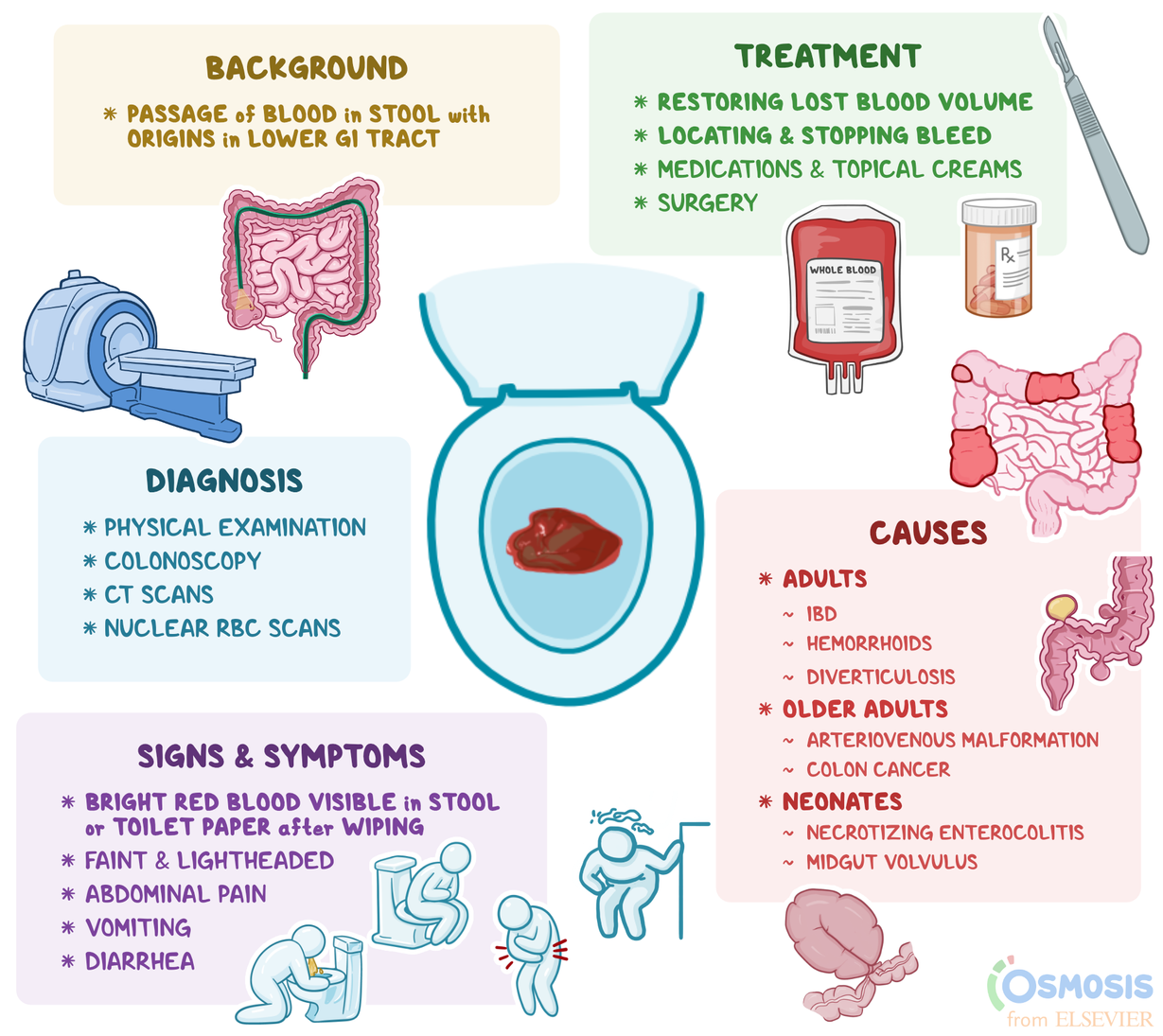
Dull abdominal discomfort can occasionally be associated with colon pathology.
Red flags include:
-
Blood in stool
-
Persistent change in bowel habits
-
Unexplained weight loss
-
Fatigue related to anemia
Colon tumors typically cause gradual symptoms rather than sudden severe pain. Screening colonoscopy is critical, especially after age 45 or with family history.
4. Abdominal Aortic Issues (Rare but Serious)
In older adults, deep central abdominal pain can rarely relate to vascular causes such as an abdominal aortic aneurysm.
Symptoms may include:
-
Deep, steady pain
-
Back discomfort
-
Pulsating sensation
Sudden severe pain with dizziness requires emergency care.
5. Functional or Benign Causes


Not all abdominal pain is dangerous.
Common non-serious causes:
-
Gas accumulation
-
Irritable bowel syndrome (IBS)
-
Mild viral gastroenteritis
-
Temporary food intolerance
These usually improve within a few days and are not progressive.
When Should You Seek Immediate Care?
Seek urgent evaluation if pain is accompanied by:
-
High fever
-
Persistent vomiting
-
Blood in stool
-
Severe worsening pain
-
Abdominal rigidity
-
Fainting
Seek non-urgent medical review if:
-
Pain lasts more than one week
-
It recurs frequently
-
There is unexplained weight loss
-
Bowel habits change persistently
Why Online Fear Headlines Can Be Misleading
Images linking belly button pain directly to severe disease oversimplify complex medicine.
Most abdominal pain is benign.
A small percentage signals serious pathology.
Medicine depends on:
-
Duration
-
Associated symptoms
-
Physical exam findings
-
Laboratory tests
-
Imaging studies
Pain location alone is never a diagnosis.
Clinical Takeaway
Dull pain around the navel is often temporary and harmless.
However, progression, persistence, or combination with systemic symptoms changes the clinical picture.
The body rarely signals danger with just one isolated symptom. It communicates in clusters.
If discomfort feels different from previous digestive episodes—or does not resolve—medical evaluation is appropriate.
Awareness is rational.
Panic is not.