5 Types of Drinks That Can Stress Your Liver — Even Without Alcohol


When people think about liver damage, alcohol usually takes the spotlight.
But modern metabolic research shows something important:
Chronic high sugar intake, excessive processed beverages, and certain additives can contribute to liver stress — even in non-drinkers.
This does not mean these drinks destroy the liver overnight.
It means regular, excessive consumption over time may contribute to fatty liver disease, inflammation, or metabolic dysfunction.
Let’s break it down properly — no hype, just physiology.
1. Sugar-Sweetened Soft Drinks
These are among the strongest dietary contributors to non-alcoholic fatty liver disease (NAFLD).
Why?
Most sodas contain high amounts of fructose. Unlike glucose, fructose is primarily metabolized in the liver. When intake exceeds energy needs, it is converted into fat.
Over time, this can lead to:
-
Fat accumulation in liver cells
-
Insulin resistance
-
Elevated triglycerides
The issue is frequency and volume — daily large servings significantly increase risk.
2. Sweetened Fruit Juices (Even “Natural” Ones)
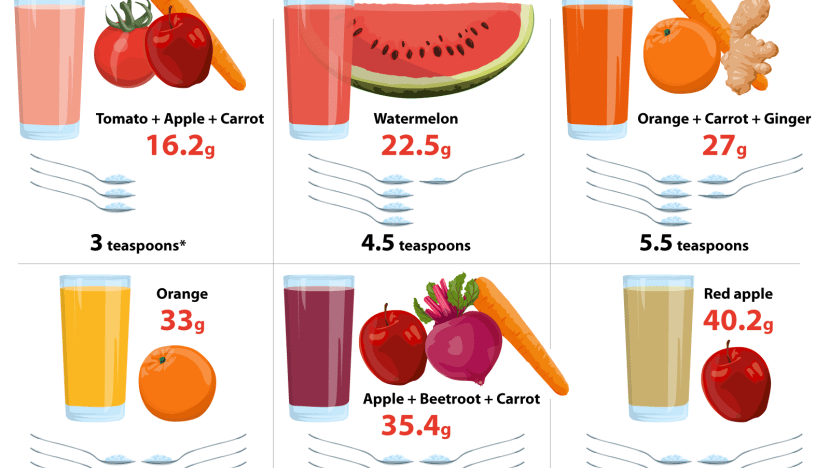


Fruit contains fiber, which slows sugar absorption.
Juice removes that fiber.
A glass of juice can contain as much sugar as soda, especially commercial varieties.
Frequent high-fructose intake may:
-
Increase liver fat storage
-
Spike insulin levels
-
Promote metabolic syndrome
Whole fruit is metabolically different from juice.
3. Energy Drinks
Energy drinks often combine:
-
High sugar
-
High caffeine
-
Additives
Excess sugar contributes to fatty liver risk.
Excess caffeine combined with poor sleep may worsen metabolic regulation.
Rare case reports have also linked extreme energy drink intake to liver inflammation, often related to niacin overload — though this is uncommon and typically involves very high consumption.
Moderation is critical.
4. Highly Sweetened Coffee Beverages
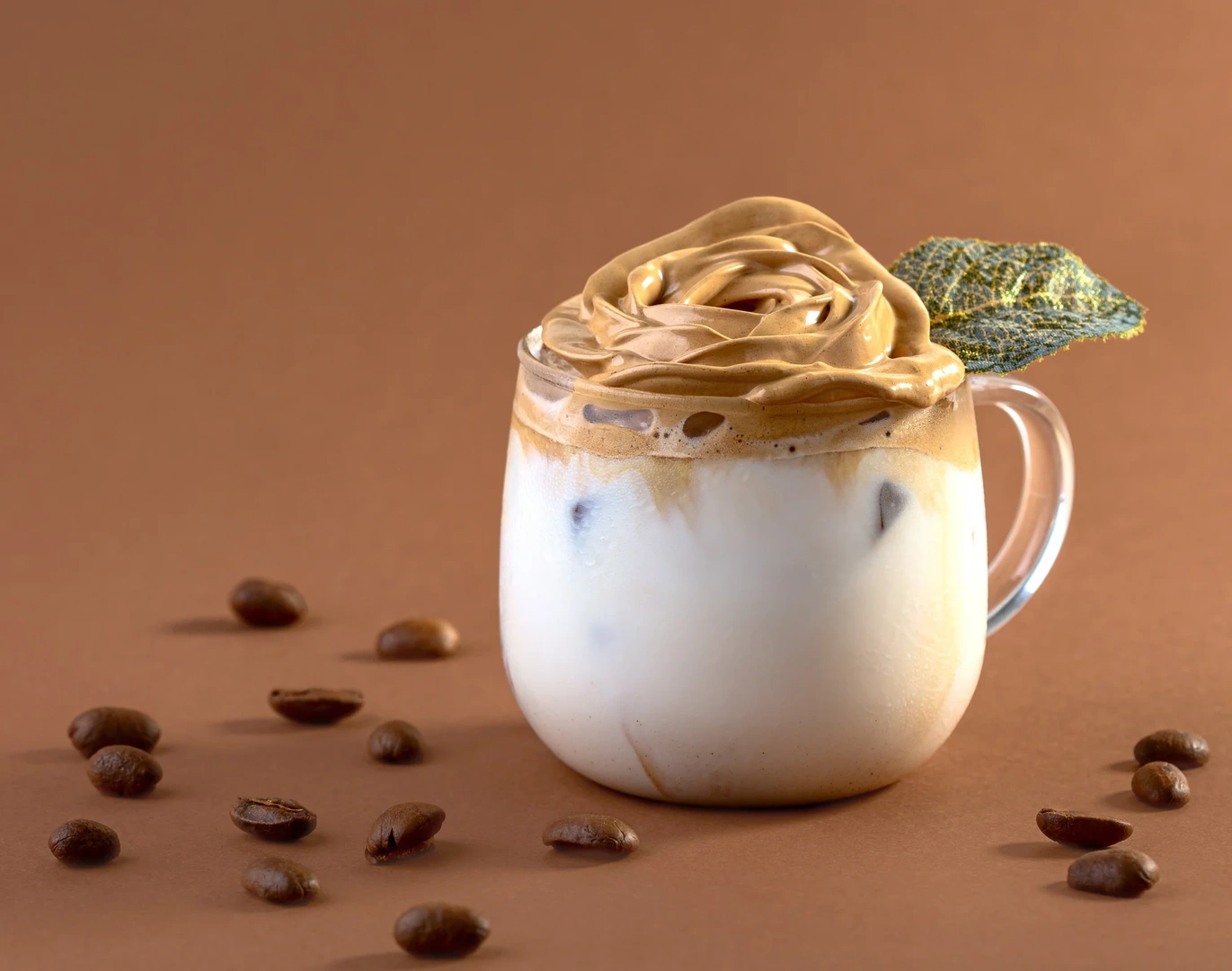


Plain black coffee is actually associated with liver protection in many studies.
However, large flavored coffee drinks with:
-
Syrups
-
Creamers
-
Added sugar
can contain 300–600+ calories per serving.
Daily intake of these high-calorie drinks contributes to:
-
Weight gain
-
Insulin resistance
-
Fat deposition in the liver
The liver burden comes from sugar and excess calories — not coffee itself.
5. Excessive Artificially Sweetened Beverages (Context Matters)
This category is more nuanced.
Artificial sweeteners do not contain fructose. However, some observational studies suggest heavy intake may correlate with metabolic changes in certain individuals.
The evidence is mixed.
They are generally safer than sugar-sweetened drinks for liver fat risk, but overreliance on ultra-processed beverages is not ideal for overall metabolic health.
Water remains superior.
What Actually Damages the Liver?


Liver injury typically develops due to:
-
Chronic alcohol overuse
-
Chronic viral hepatitis
-
Long-term metabolic syndrome
-
Obesity
-
Insulin resistance
-
Certain medications
For non-drinkers, the most common cause globally is non-alcoholic fatty liver disease, closely linked to excess calorie and sugar intake.
Early Signs of Liver Stress
Many people experience no symptoms early on.
When present, symptoms may include:
-
Fatigue
-
Mild right upper abdominal discomfort
-
Elevated liver enzymes on blood tests
Advanced disease can cause more serious signs — but prevention is far easier than treatment.
Practical Prevention Strategy
Instead of focusing on fear-based messaging, consider:
-
Replace soda with water or unsweetened tea
-
Eat whole fruits instead of juice
-
Limit ultra-sweetened beverages
-
Maintain healthy body weight
-
Exercise regularly
-
Get periodic blood testing if at risk
The liver is resilient.
It can recover significantly when metabolic stress is reduced.
Final Perspective
No common beverage “harms the liver faster than alcohol” in a direct toxic sense.
However, chronic high-sugar drink consumption can contribute to fatty liver disease over time, especially when combined with sedentary lifestyle and excess calories.
The issue is not one drink.
It is consistent daily patterns.
The liver reflects lifestyle more than isolated choices.
Small adjustments, repeated daily, protect it long-term.