How to Soothe Sciatic Nerve Pain: A Complete Guide to Natural Remedies
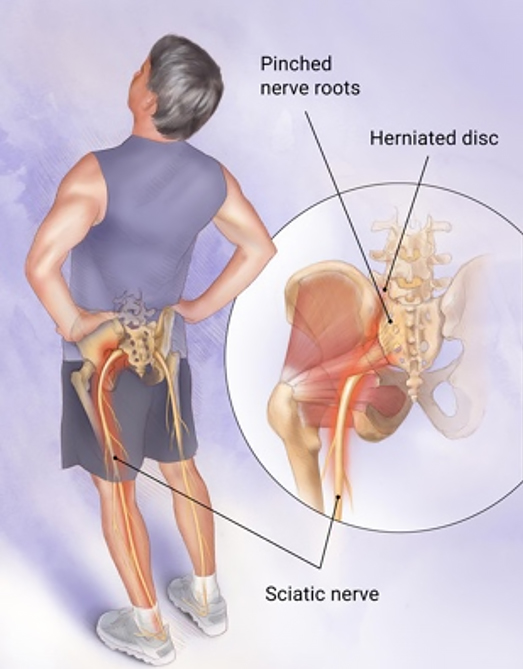
Sciatic nerve pain — also known simply as sciatica — is one of the most common causes of lower back and leg discomfort. It occurs when the sciatic nerve, which runs from the lower spine down through the buttocks and into each leg, becomes irritated or compressed. The result can be a sharp, burning, tingling, or shooting pain that travels from the back into the leg — making everyday activities difficult and uncomfortable.
While severe sciatica may require medical attention, many people find real relief through natural treatments, lifestyle changes, and simple exercises. This guide explores practical ways to treat and manage sciatic pain without immediately turning to medications or invasive procedures.
What Causes Sciatic Nerve Pain?
Sciatica isn’t a condition in itself — it’s a symptom of underlying issues. Some of the common causes include:
-
Herniated or slipped discs placing pressure on the nerve
-
Spinal stenosis (narrowing of the spinal canal)
-
Piriformis syndrome, where the muscle irritates the nerve
-
Injury or inflammation in the lower back
-
Poor posture or prolonged sitting
Understanding the source of pain is crucial because it helps determine the right approach to treatment.
Natural Ways to Relieve Sciatic Pain
1. Gentle Stretching and Exercise
Contrary to resting completely, light movement and targeted stretches can help reduce nerve pressure and improve flexibility. Focus on:
-
Hamstring stretches
-
Lower back twists
-
Pelvic tilts
-
Piriformis stretches
These exercises help relieve tension in the muscles surrounding the sciatic nerve, promoting blood flow and reducing stiffness.
2. Hot and Cold Therapy
Applying heat or ice can significantly ease sciatica symptoms:
-
Use an ice pack during the first 24–48 hours to reduce inflammation.
-
After that, apply warm compresses to relax tight muscles and improve circulation.
Alternate between heat and cold for best results, typically 15–20 minutes per session.
3. Maintain Good Posture
Poor posture — especially while sitting — can compress the spine and aggravate sciatica. Try these habits:
-
Sit with a straight back and relaxed shoulders
-
Use a cushion to support your lower back
-
Avoid sitting for long periods without breaks
Standing desks, ergonomic chairs, and mindful posture correction can make a big difference over time.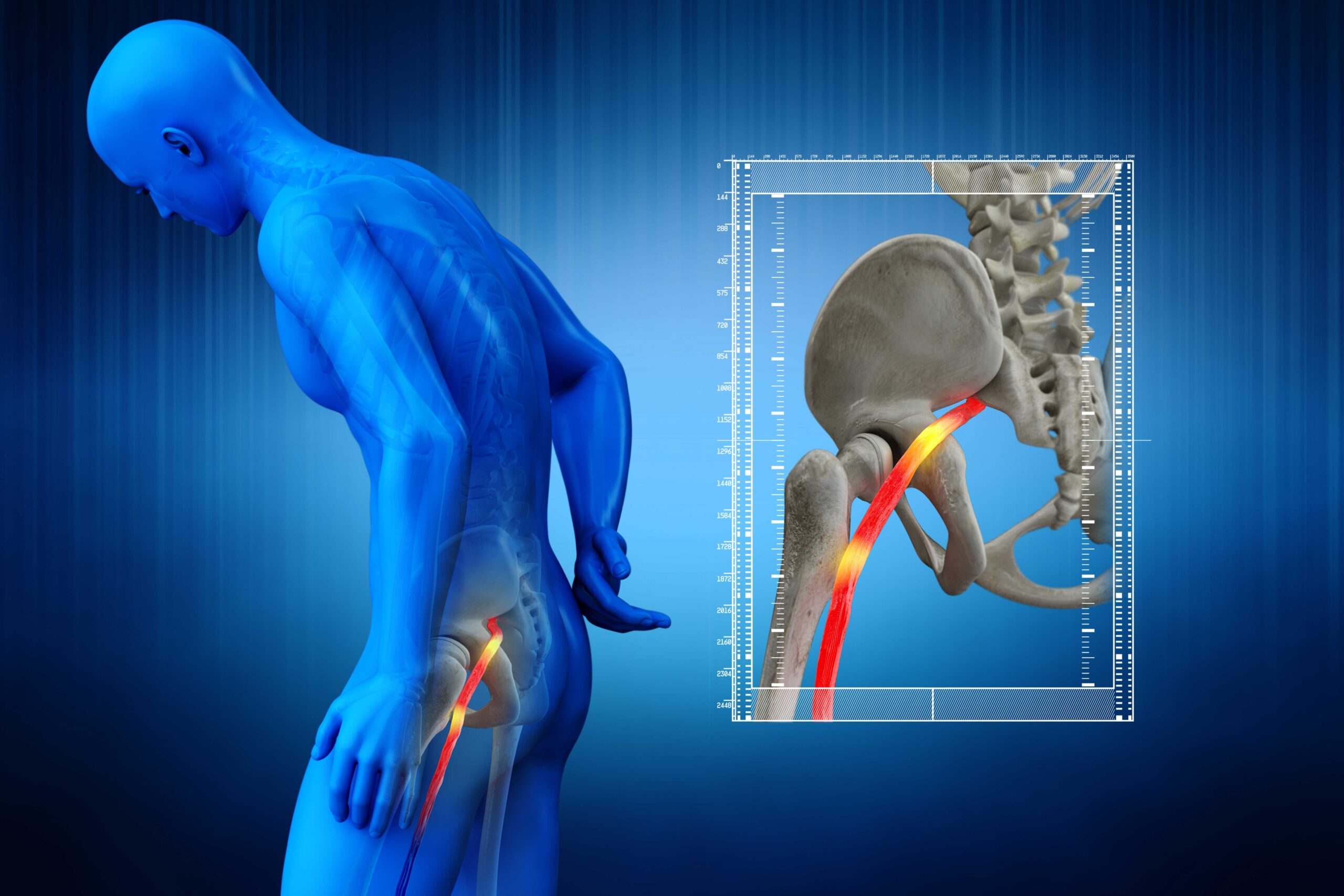
4. Natural Anti-Inflammatory Remedies
Certain foods and supplements may help combat inflammation:
-
Turmeric (curcumin)
-
Ginger
-
Omega-3 rich foods such as salmon or flax seeds
-
Magnesium supplements to support muscle relaxation
Always consult with a healthcare professional before starting new supplements — especially if you have underlying health conditions.
5. Massage Therapy
Massage can help relieve muscle tension and improve blood flow around the sciatic nerve. Focus on:
-
Lower back muscles
-
Glutes
-
Hamstrings
Professional massage therapists trained in treating sciatica can target problem areas more effectively.
6. Mind-Body Techniques
Chronic pain isn’t just physical — stress and tension often worsen symptoms. Practices such as:
-
Yoga
-
Tai Chi
-
Deep breathing
-
Meditation
can help calm the nervous system, improve flexibility, and reduce pain perception.
Lifestyle Changes That Support Sciatic Health
Break Up Long Sitting Sessions
Sitting for extended periods — especially on soft surfaces — puts pressure on the lower back. Make a habit of standing, stretching, or walking every 30–40 minutes.
Maintain a Healthy Weight
Excess body weight adds strain to the spine and nerve roots. Eating a balanced diet and staying active can help reduce pressure on the sciatic nerve.
Prioritize Core Strength
Stronger core muscles support the lower back, reducing the risk of discs pressing against nerves.
When to Seek Medical Attention
While natural remedies can be effective for mild to moderate sciatica, seek medical care if:
-
The pain is severe or sudden
-
You experience numbness or weakness in the leg
-
Symptoms persist beyond a few weeks
-
You have difficulty controlling bowel or bladder function
In these cases, a doctor may recommend additional treatments such as physical therapy, prescription medication, or in rare cases, surgical options.
Final Thoughts
Sciatic nerve pain can range from a minor nuisance to a debilitating condition. The good news is that many people experience significant relief through natural approaches — especially when combined with positive lifestyle habits.
By understanding the root causes, making simple daily changes, and using safe remedies, you can manage pain more effectively and reclaim comfort in your daily life. Just remember: consistent care is often the key to long-term improvement.