Early Warning Signs of Diabetes You Shouldn’t Ignore

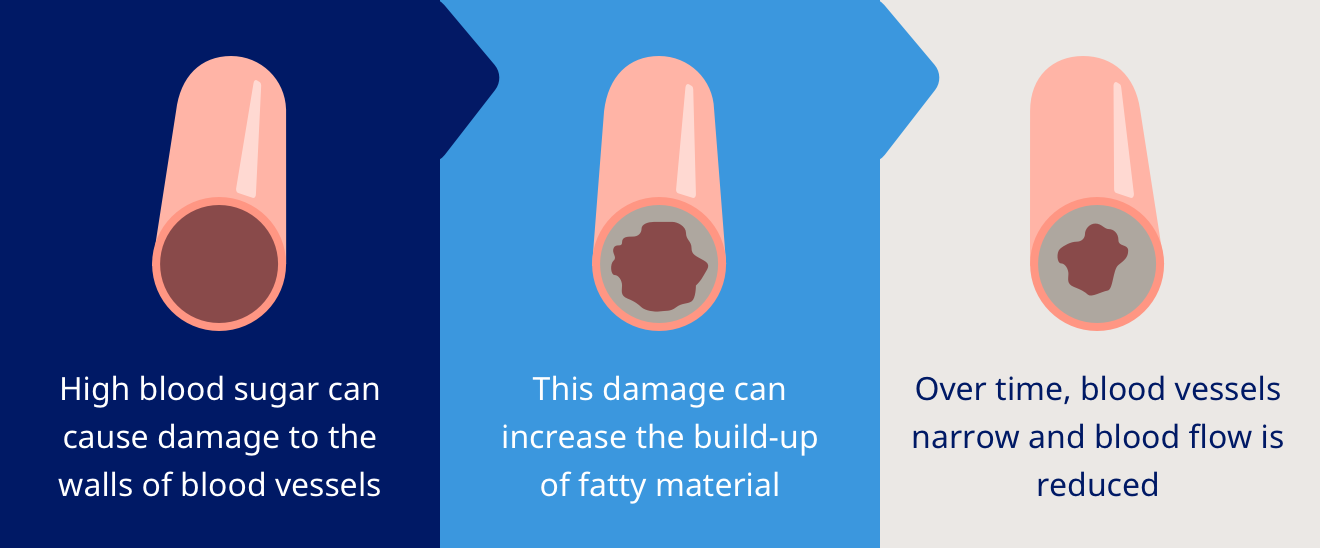

Diabetes does not appear overnight.
It develops gradually, often through a long phase of insulin resistance and metabolic imbalance before blood sugar reaches diagnostic thresholds.
Despite dramatic headlines, most physicians are well aware of early warning signs. The real issue is that many symptoms are subtle and easy to dismiss.
Understanding early indicators allows intervention before complications affect nerves, kidneys, eyes, and cardiovascular health.
Below are evidence-based early signs worth paying attention to.
1. Persistent Fatigue
High blood glucose prevents cells from efficiently absorbing and utilizing energy.
Even after eating, individuals may feel:
-
Sluggish
-
Mentally foggy
-
Unmotivated
This occurs because glucose remains in the bloodstream instead of entering cells where it’s needed.
Fatigue that persists despite adequate sleep and nutrition deserves evaluation.
2. Increased Thirst and Frequent Urination

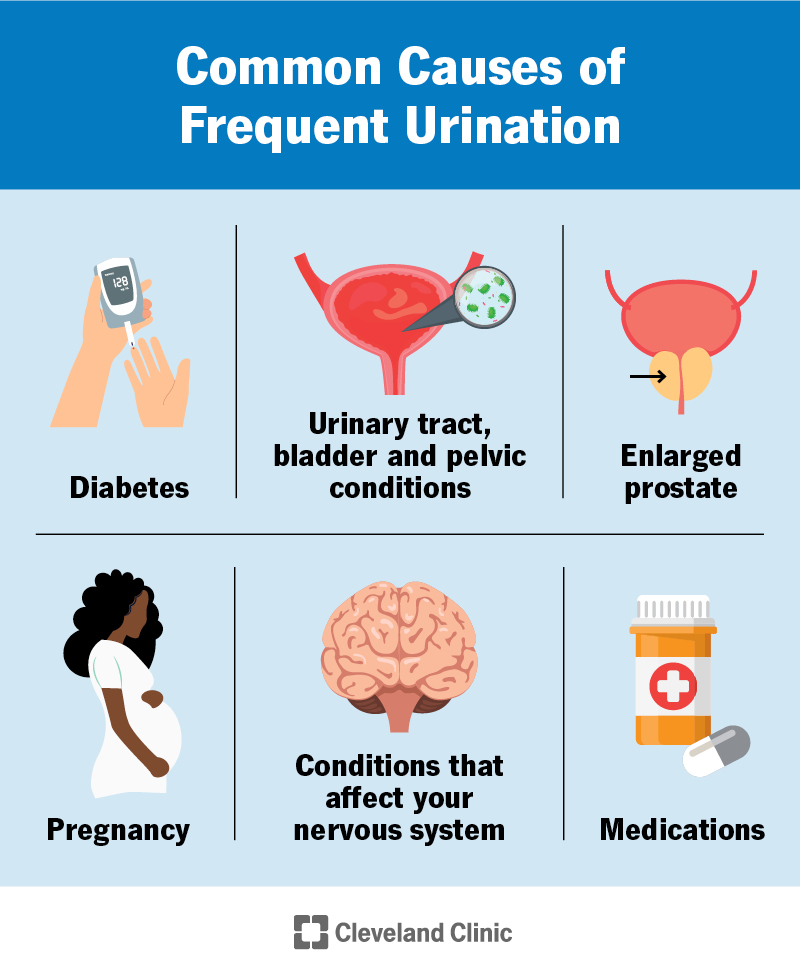

When blood sugar rises, the kidneys attempt to eliminate excess glucose through urine.
This leads to:
-
Increased urination (polyuria)
-
Excessive thirst (polydipsia)
-
Nighttime bathroom trips
If fluid intake increases dramatically without environmental cause, screening is appropriate.
3. Unexplained Weight Changes
Some individuals experience weight loss due to the body breaking down fat and muscle for energy when insulin is insufficient.
Others gain weight due to insulin resistance and metabolic dysregulation.
Sudden, unexplained shifts in weight—especially combined with fatigue—should prompt testing.
4. Slow-Healing Wounds and Frequent Infections
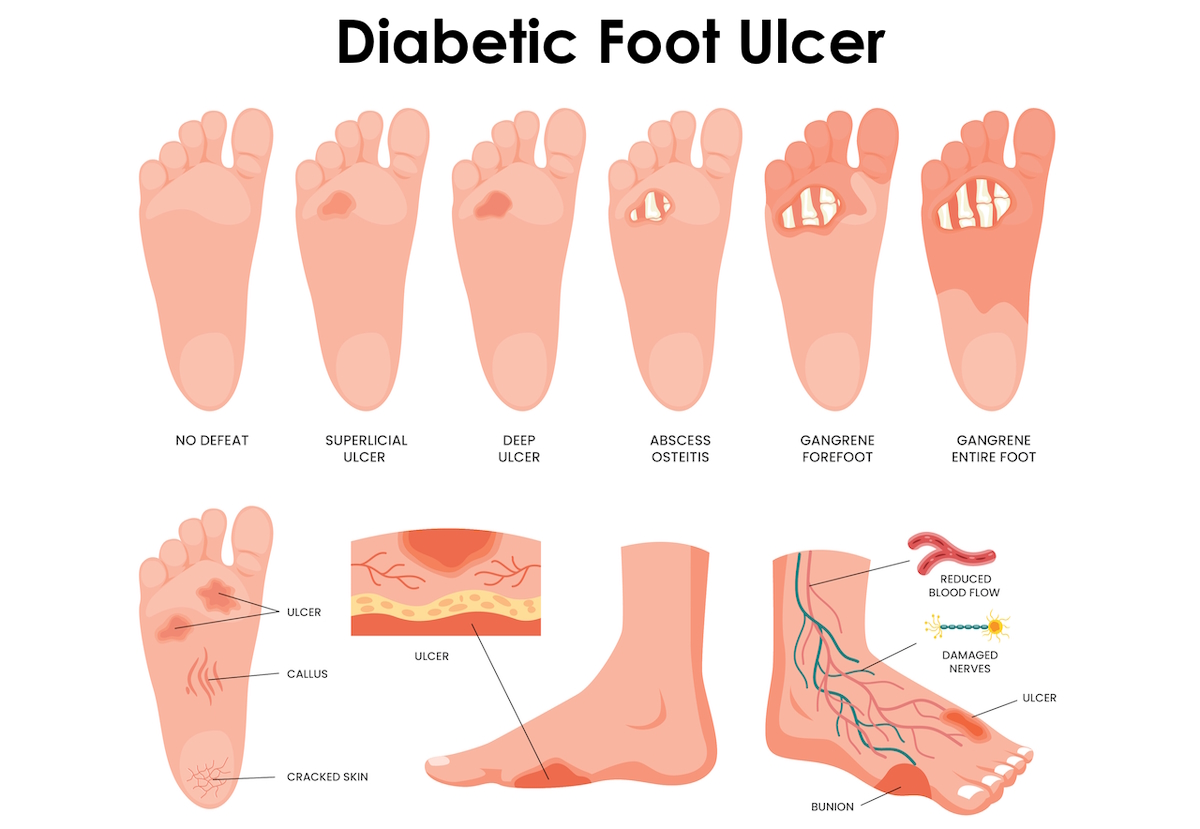
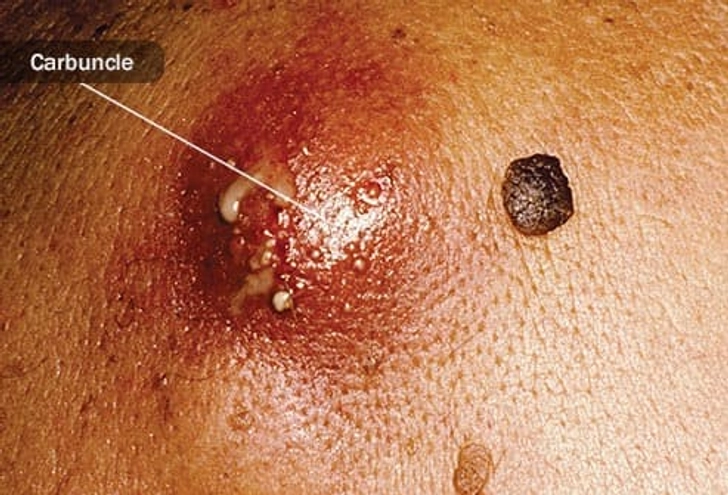
Elevated glucose impairs immune function and circulation.
Common early patterns include:
-
Recurrent skin infections
-
Fungal infections
-
Slow-healing cuts
-
Gum inflammation
High sugar levels create an environment where bacteria and fungi thrive.
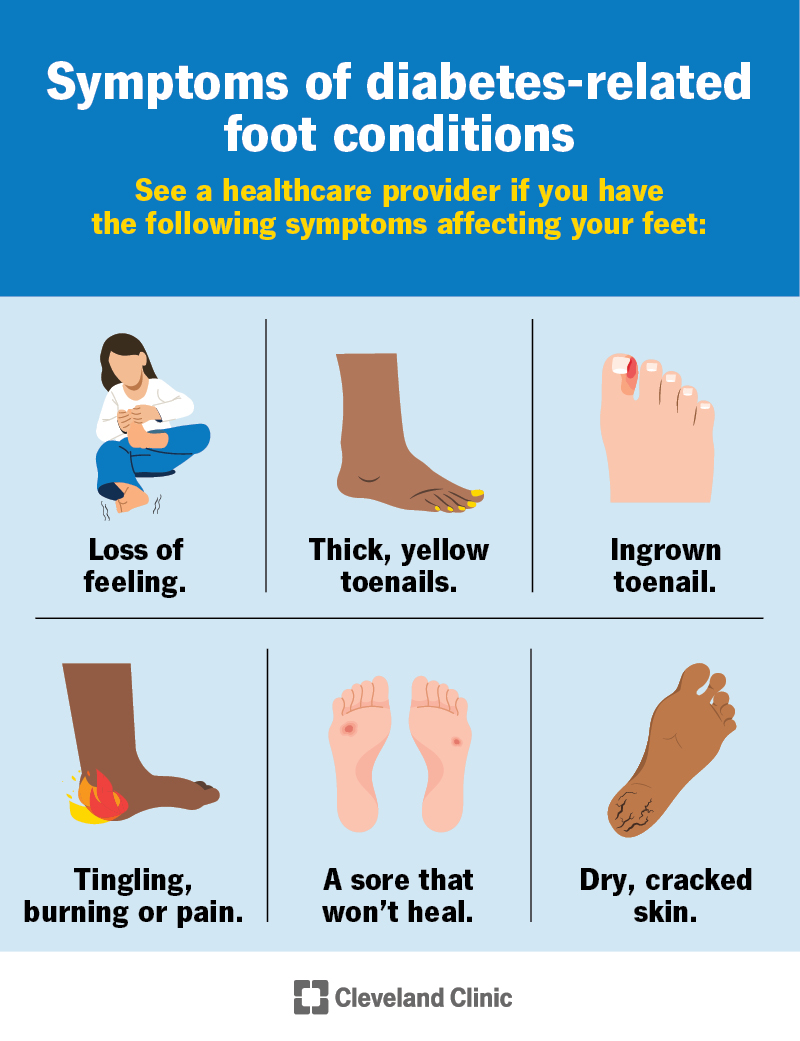
5. Tingling or Numbness in Hands and Feet
Peripheral nerves are sensitive to chronic high glucose exposure.
Early neuropathy may feel like:
-
Mild tingling
-
Burning sensation
-
Pins and needles
-
Occasional numbness
These sensations are often intermittent at first but can progress if blood sugar remains uncontrolled.
6. Darkened Skin Patches (Acanthosis Nigricans)


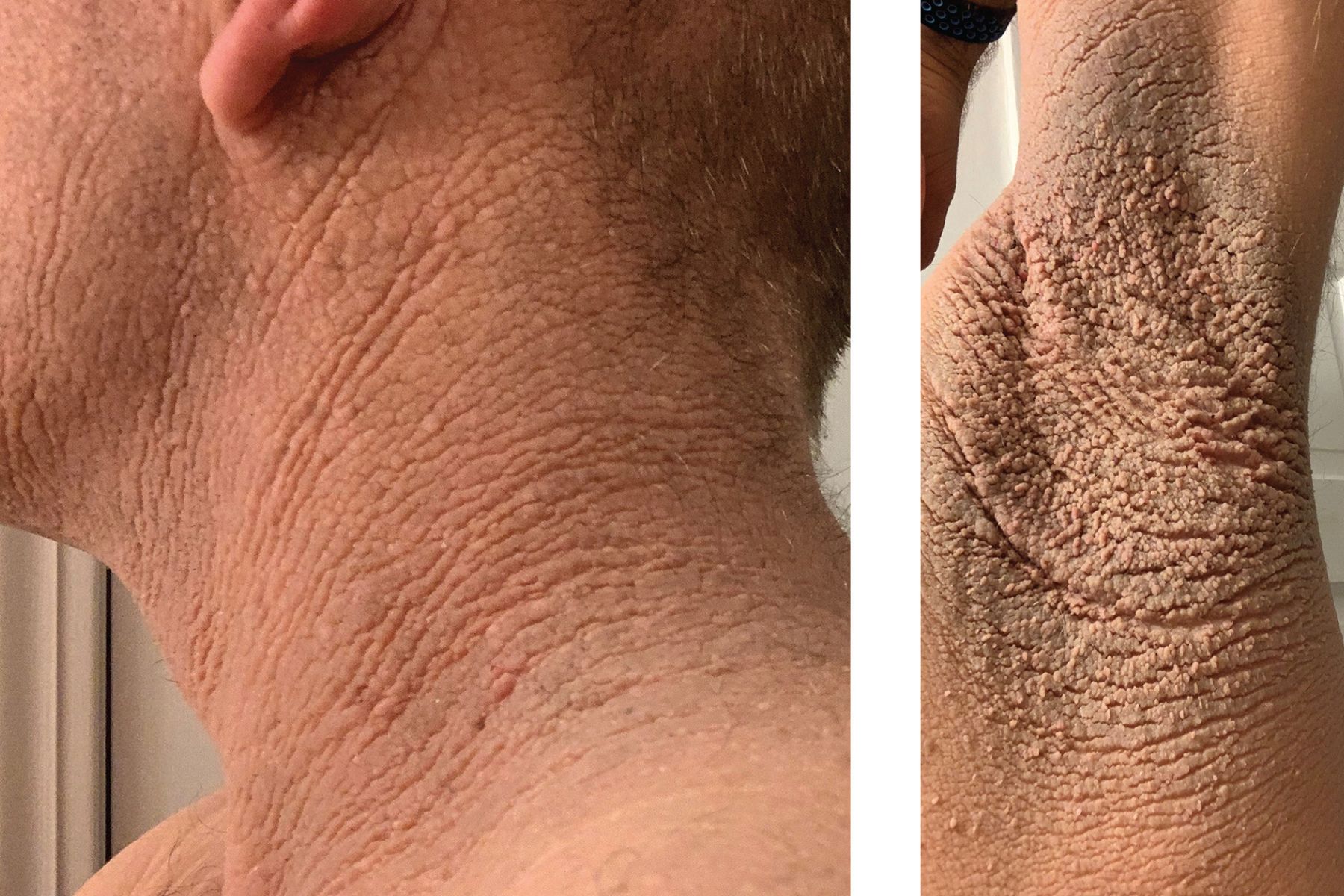
Velvety dark patches around the neck, armpits, or groin are strongly associated with insulin resistance.
This condition results from high circulating insulin levels stimulating skin cell growth.
It is frequently seen in prediabetes and type 2 diabetes.
7. Blurred Vision
High glucose can cause fluid shifts in the eye lens, altering its shape temporarily.
Vision may fluctuate rather than deteriorate steadily.
Any unexplained vision changes require ophthalmologic and metabolic evaluation.
8. Increased Hunger


Cells deprived of glucose signal the brain for more food.
This may cause:
-
Strong carbohydrate cravings
-
Frequent snacking
-
Post-meal hunger
When combined with fatigue and thirst, this triad is particularly suggestive.
Who Is at Higher Risk?
Risk increases with:
-
Family history
-
Obesity or central fat distribution
-
Sedentary lifestyle
-
Polycystic ovary syndrome (PCOS)
-
History of gestational diabetes
-
Hypertension or high cholesterol
Routine screening is recommended for adults over 35, or earlier in high-risk individuals.
Why Early Detection Matters
Unchecked diabetes can lead to:
-
Cardiovascular disease
-
Kidney failure
-
Retinopathy
-
Neuropathy
-
Stroke
However, early-stage type 2 diabetes is often reversible or controllable with:
-
Weight management
-
Balanced nutrition
-
Resistance training
-
Improved sleep
-
Medication when necessary
When to Get Tested
Request blood testing if symptoms persist or if risk factors are present. Typical evaluations include:
-
Fasting plasma glucose
-
HbA1c
-
Oral glucose tolerance test
Diagnosis is laboratory-based—not symptom-based.
Final Perspective
Diabetes rarely begins dramatically.
It begins quietly—with metabolic whispers.
The goal is not fear.
The goal is metabolic awareness.
Subtle signs, when recognized early, allow intervention long before complications develop.
Preventive medicine is always more powerful than late-stage treatment.