Medical Professionals Shed Light on How Eating Bananas Before Bed May Affect Your Body
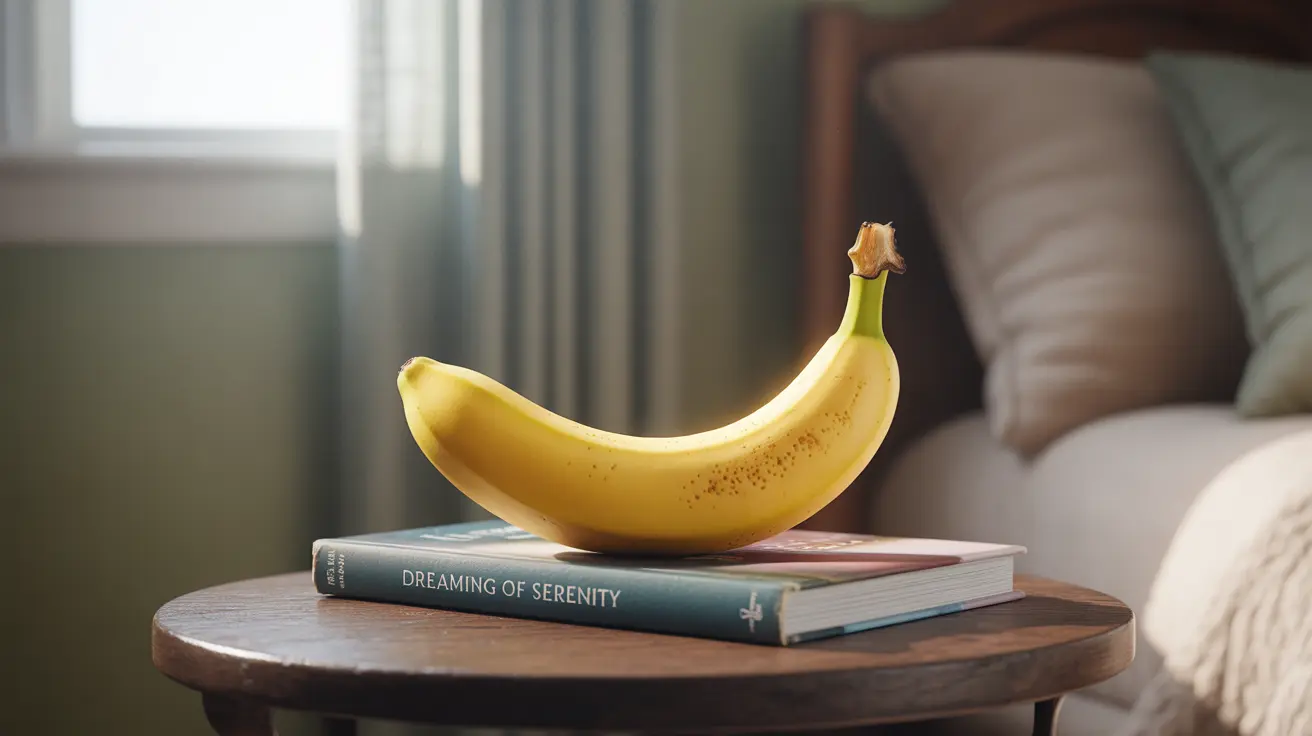
Many people reach for a banana as a light evening snack. But does eating a banana before bed actually help you sleep — or could it disrupt your rest? Medical professionals say the answer depends on your overall health, portion size, and individual sensitivity.
🍌 1. Bananas May Support Sleep — Indirectly
Bananas contain nutrients involved in sleep regulation:
-
Tryptophan – an amino acid the body uses to produce serotonin and melatonin
-
Magnesium – helps relax muscles
-
Vitamin B6 – helps convert tryptophan into serotonin
According to the Cleveland Clinic, magnesium plays a role in muscle relaxation and nervous system regulation, both important for restful sleep.
However, experts note that while bananas contain tryptophan, the amount alone is unlikely to dramatically increase melatonin levels. Sleep benefits are generally modest and part of an overall healthy diet.
🧠 2. They May Help Stabilize Nighttime Hunger
A small banana provides fiber and natural carbohydrates, which can:
-
Prevent going to bed overly hungry
-
Help stabilize blood sugar overnight
The Sleep Foundation explains that light snacks combining carbohydrates and nutrients may support better sleep compared to going to bed hungry.
That said, portion control matters. Eating large meals before bed may interfere with digestion and sleep quality.
⚠️ 3. Possible Downsides for Some People
Acid Reflux or GERD
For people with acid reflux, eating any food too close to bedtime can worsen symptoms. The National Institute of Diabetes and Digestive and Kidney Diseases advises avoiding late-night eating if you are prone to reflux.
Blood Sugar Concerns
Bananas contain natural sugars. While generally safe for most people, individuals with diabetes should consider total carbohydrate intake and timing, as recommended by the American Diabetes Association.
😴 4. Do Bananas Actually Make You Sleepy?
There is no strong clinical evidence proving that eating a banana before bed directly induces sleep. Most claims are based on the fruit’s nutrient profile rather than large-scale human sleep trials.
Experts agree:
-
Bananas are unlikely to act as a “natural sleeping pill.”
-
They may support relaxation as part of a balanced diet.
-
Sleep quality depends more on overall lifestyle habits (light exposure, stress, caffeine intake, screen time).
The Bottom Line
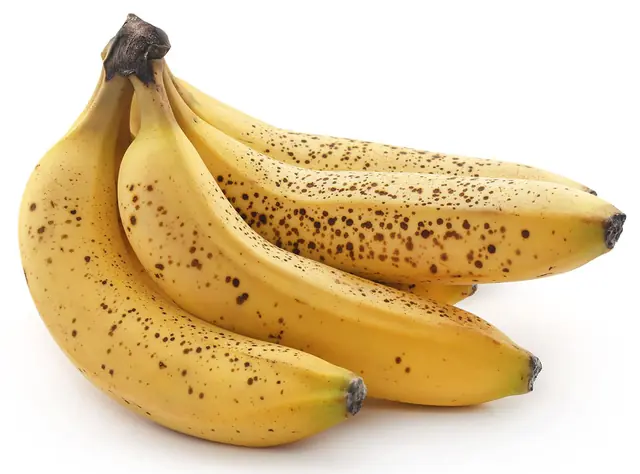
Medical professionals say eating a banana before bed is generally safe for healthy individuals and may offer mild relaxation benefits due to magnesium and tryptophan.
However:
-
It is not a guaranteed sleep solution.
-
It may worsen reflux in sensitive individuals.
-
Portion size and timing matter.
If you struggle with chronic insomnia or nighttime symptoms, it’s best to consult a healthcare provider rather than rely solely on specific foods.

If you'd like, I can also create:
-
A shorter, viral-style version
-
A medically technical version with study summaries
-
Or a YouTube script version with citations formatted verbally