My mother thought my husband wasn’t good enough until he proved her wrong
In the social ecosystem of the suburb where I grew up, my mother, Evelyn, was the undisputed architect of expectations. She believed in a very specific blueprint for a successful life: Ivy League degrees, white-collar stability, and a husband who looked like he’d stepped out of a luxury watch advertisement. When I brought home Mark, I didn't just bring home a boyfriend; I brought home a disruption to her carefully curated aesthetic.
Mark is a landscape architect and a volunteer firefighter. He spends his days with dirt under his fingernails and his nights, occasionally, rushing toward the smell of smoke. He is a man of deep silences, steady hands, and a heart that beats with a quiet, unshakeable integrity. To me, he was everything. To my mother, he was "the gardener."
For the first four years of our marriage, our family dinners were exercises in tactical patience. My mother never raised her voice—she was far too refined for that—but she had mastered the art of the "polite inquiry" that doubled as a subtle interrogation.
"So, Mark," she’d say, smoothing her linen napkin while we sat in her formal dining room, "I saw that the new tech firm downtown is hiring for their operations department. Such a stable career path with wonderful benefits. Have you given any more thought to putting that... hobby of yours aside for something more permanent?"
Mark would take a slow sip of his water, his expression calm. "I like building things that grow, Evelyn. There’s a different kind of permanence in a well-planned garden."
"I suppose," she’d reply, her voice trailing off with a sigh that suggested she was mourning the life I could have had.
The tension wasn't just about his job. It was the way he dressed, the way he didn't care about the "right" country club, and the way he prioritized a Saturday spent helping a neighbor clear a fallen tree over a charity gala. Every time we visited, I felt caught in a tug-of-war. I spent my time translating Mark’s quiet strength into terms my mother could respect, and defending my mother’s "protection" to Mark. The strain was a silent, pulsing rhythm in our marriage, a distance that made every holiday feel like an audition we were failing.
The crisis arrived on a Tuesday in late November. A heavy, unseasonal ice storm had hit our town, turning the world into a glittering, dangerous landscape of frozen glass. My father had passed away years prior, and Evelyn was living alone in the large, aging colonial house she refused to leave.
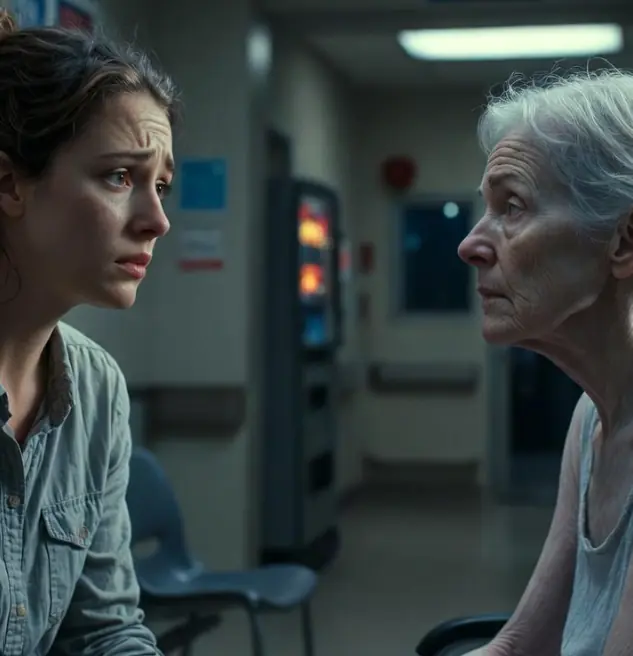
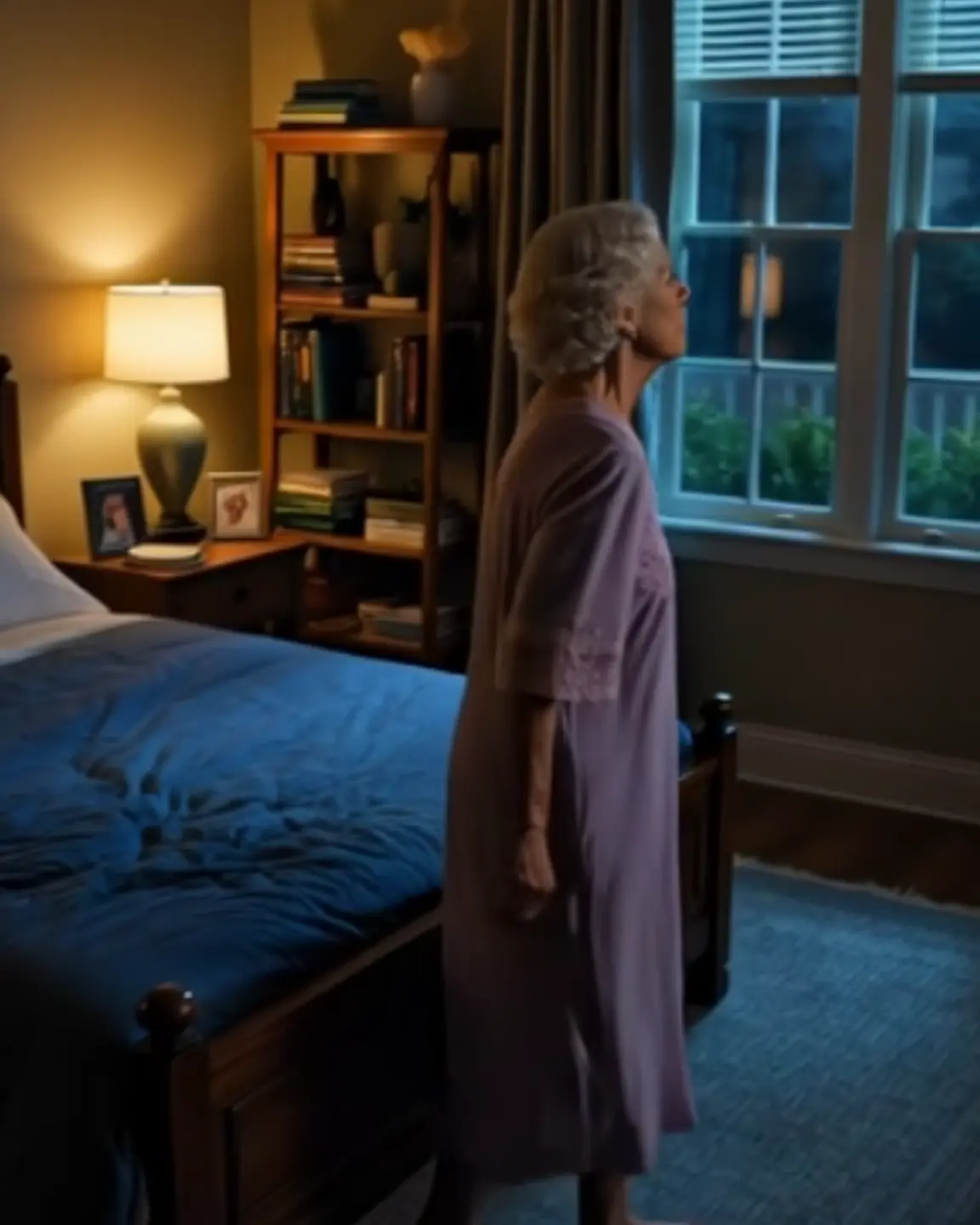
I was at home, worriedly watching the trees bend under the weight of the ice, when the phone rang at 10:00 PM. It was my mother. Her voice, usually so composed and authoritative, was small and trembling.
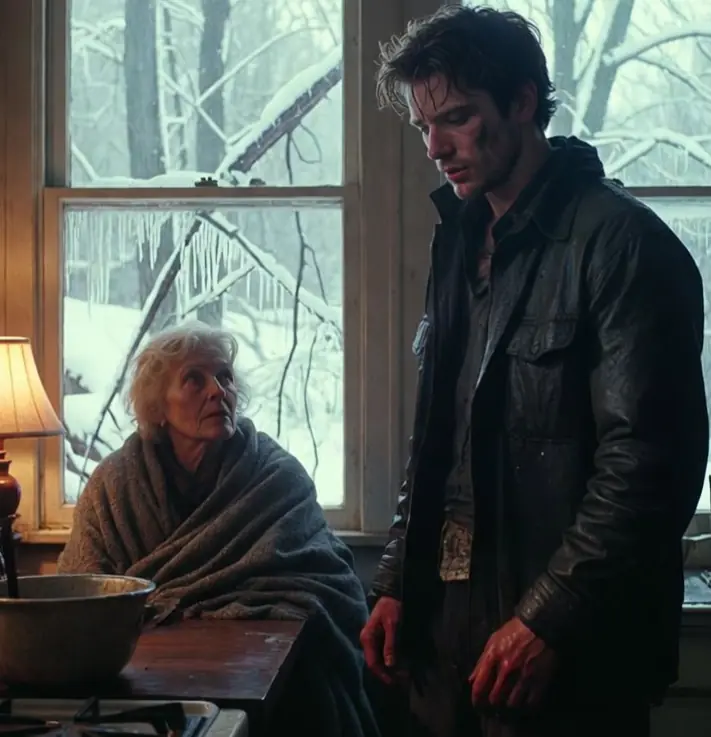
"Diane... the power is out. A branch has come through the roof in the sunroom, and I... I think the pipes have burst in the basement. It’s so cold, and I can't get the back door open. It’s frozen shut."
I felt a surge of panic. The emergency services were already overwhelmed with downed lines and accidents. "Mom, stay in the living room under blankets! We’ll try to get to you."
I turned to Mark, who was already pulling on his heavy thermal gear and boots. He didn't hesitate. He didn't mention that Evelyn had spent the last four years making him feel like an interloper. He didn't bring up the "gardener" comments. He just grabbed his heavy-duty tool chest, a portable generator, and a chainsaw.
"Mark, the roads are officially closed," I whispered, my heart racing.
"I have the chains on the truck," he said, his voice low and steady. "You stay here, Diane. It’s too dangerous for you to be out there. I’ll get her."
The next five hours were the longest of my life. I sat by the window, listening to the wind and the terrifying crack of branches snapping in the distance. When Mark finally reached her, he didn't just check on her; he became a one-man rescue crew.
He found my mother huddled in her coat, the temperature in the house dropping into the low forties. While the world outside was chaotic and frozen, Mark was a whirlwind of quiet, calculated action. He climbed onto the icy roof in the dark to tarp the hole. He shut off the main water line and spent hours in the freezing crawlspace soldering the burst pipes to prevent further flood damage. He set up the generator to get the space heaters running in her bedroom and the kitchen.
He didn't do it for an apology. He didn't do it to prove a point. He did it because Mark is a man who fixes things when they break, regardless of who owns them.
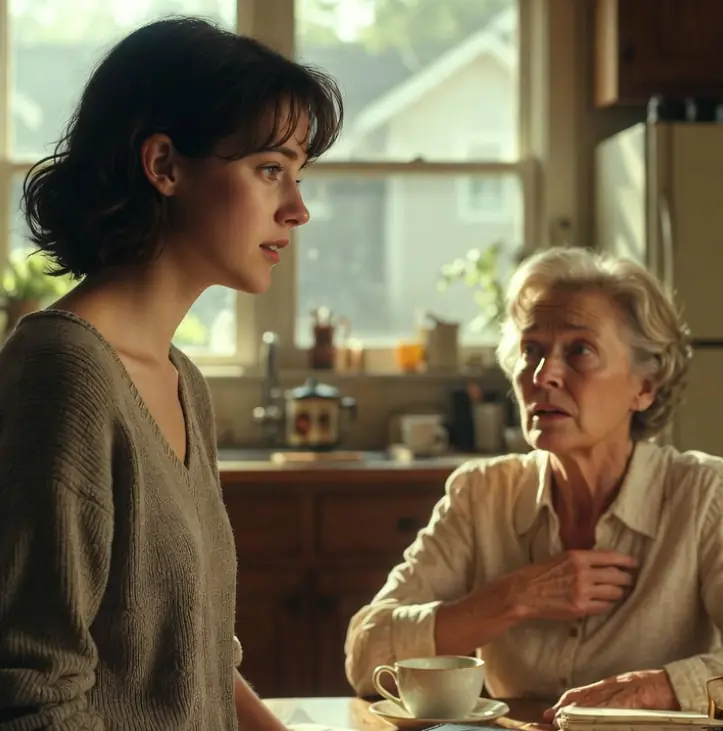
When the sun finally rose over the glittering landscape, the roads had been cleared enough for me to drive over. I walked into the house, expecting a disaster zone. Instead, I found the house warm, the leak contained, and my mother sitting at the kitchen table.
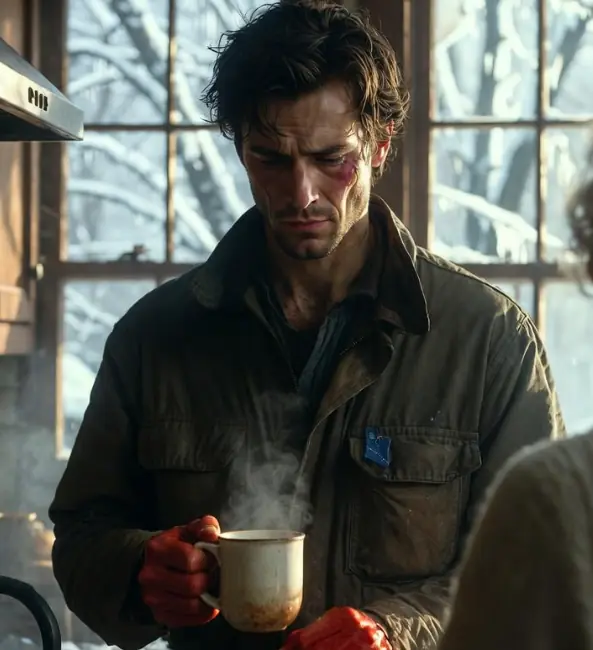
Mark was at the stove, his face smudged with soot and his hands red from the cold, making her a cup of tea and some toast.
"Jack—I mean, Mark—says the roof will hold until the professional crew arrives," my mother said. She looked at me, and for the first time in my life, the "architect of expectations" seemed to have lost her blueprint.
Mark set the tea down in front of her. "I’ll come back this afternoon to check the fuel in the generator, Evelyn. You should try to rest."
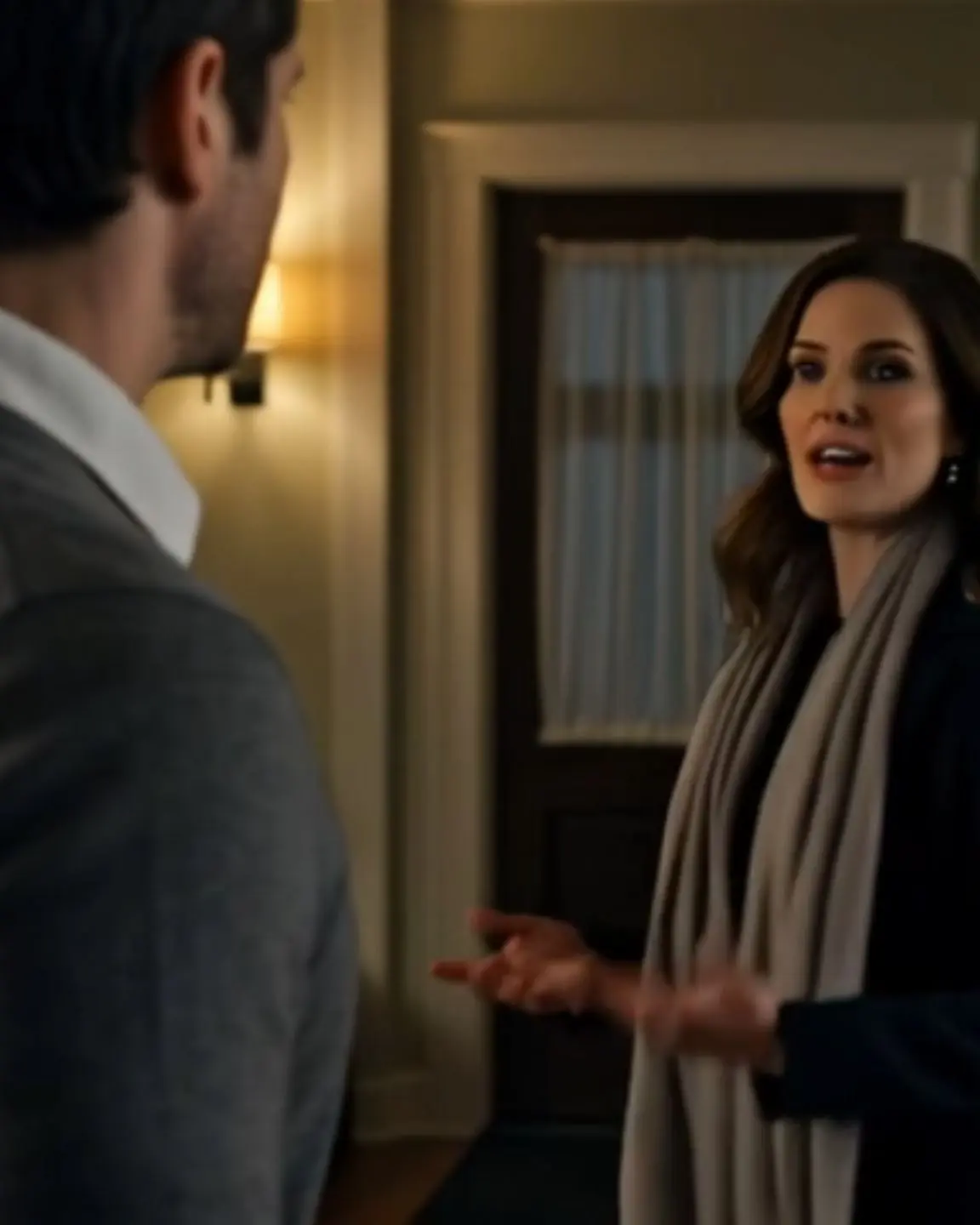
"Mark," she said, her voice stopping him as he reached for his coat. He turned, looking tired but ready for whatever criticism was coming next.
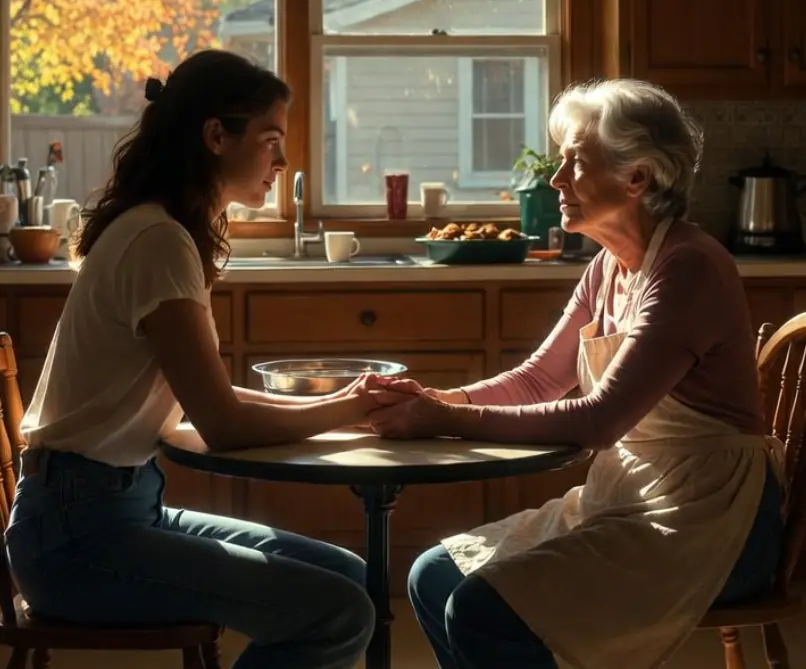
She stood up, her movements slow and humble. She walked over to him and did something she had never done—she took his calloused, dirt-stained hands in hers.

"I have spent four years looking at what you didn't have," she said, her voice thick with emotion. "I looked at your clothes, and your car, and your career choice. I was so busy looking for a 'pedigree' that I completely missed the man. You drove through a storm for a woman who hasn't been kind to you. You saved my home while I was busy judging yours."
She looked at me, her eyes filled with tears. "Diane, I am so sorry. I thought I was being protective, but I was just being blind. You didn't marry a gardener. You married a hero."
Mark didn't make her grovel. He didn't remind her of the dinners or the snubs. He simply squeezed her hand back. "It’s a good house, Evelyn. It was worth saving. And so were you."
The reconciliation didn't end with that one night. It was a slow, beautiful renovation of our family. My mother stopped asking about tech jobs. Instead, she started asking Mark’s opinion on the integrity of her porch or the best way to preserve the old maples. She started inviting him over not to "interrogate" him, but to listen to him.
She realized that the "solid" things she had been looking for weren't found in a degree or a title. They were found in character, in the willingness to show up when the pipes burst, and in the quiet strength of a man who builds a life out of integrity rather than appearances.
The next time we had Sunday dinner, the atmosphere had shifted entirely. The white-linen napkins were still there, but the "polite inquiries" had been replaced by genuine warmth.
"Mark," my mother said, leaning across the table with a smile that actually reached her eyes, "the neighbor, Mrs. Gable, was complaining about her retaining wall. I told her she shouldn't trust just any contractor. I told her she needed a man of integrity. I told her she needed my son-in-law."
I looked at Mark, and then at my mother. The tug-of-war was over. The two people I loved most had finally found a common language—not the language of Ivy League pedigree, but the language of mutual respect.
We are the Millers, and our family isn't a perfectly manicured garden anymore. It’s a little bit more rugged, a little bit more honest, and a whole lot stronger. I’ve learned that a mother’s love, while protective, can sometimes be a cage. It took a storm to break the bars and show her that the man I chose wasn't just "good enough"—he was the best of us.
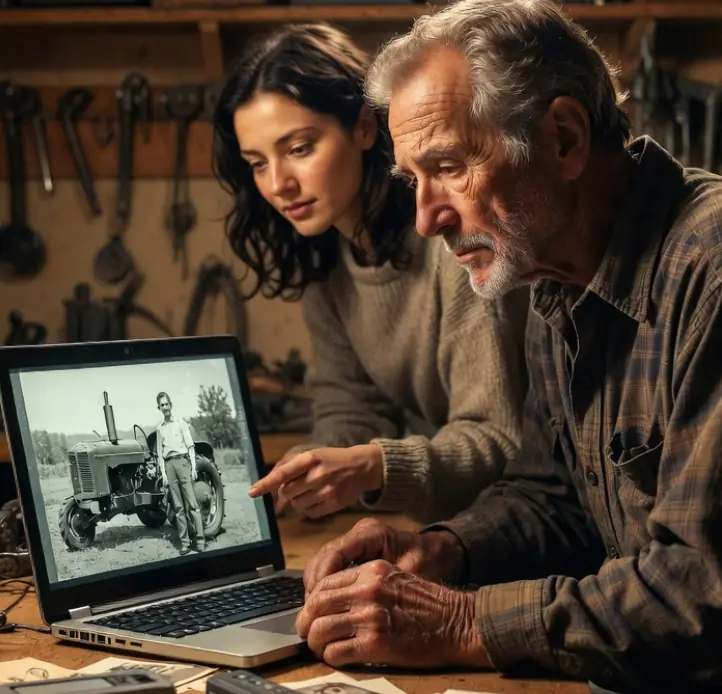
Love doesn't require everyone to have the same background. It just requires us to recognize the value in the hands that hold us up when the world freezes over. And as I watch Mark and my mother laughing over a photo of our new garden plans, I realize that the best things in life don't just happen—they are built, brick by brick, with patience, integrity, and grace.