How Liver Disease Manifests on the Legs: What Your Lower Body May Be Telling You
The liver is one of the most metabolically active organs in the human body. It regulates protein synthesis, detoxification, hormone metabolism, bile production, clotting factor generation, and fluid balance.
When liver function declines, the effects are systemic — not just abdominal.
One of the most overlooked areas where liver dysfunction becomes visible is the legs.
Peripheral signs often appear before patients fully understand what is happening internally. Recognizing these signs early can support earlier intervention and better outcomes.
Below is a structured breakdown of how liver disease may manifest in the lower extremities.
🩺 Why the Legs Reflect Liver Health


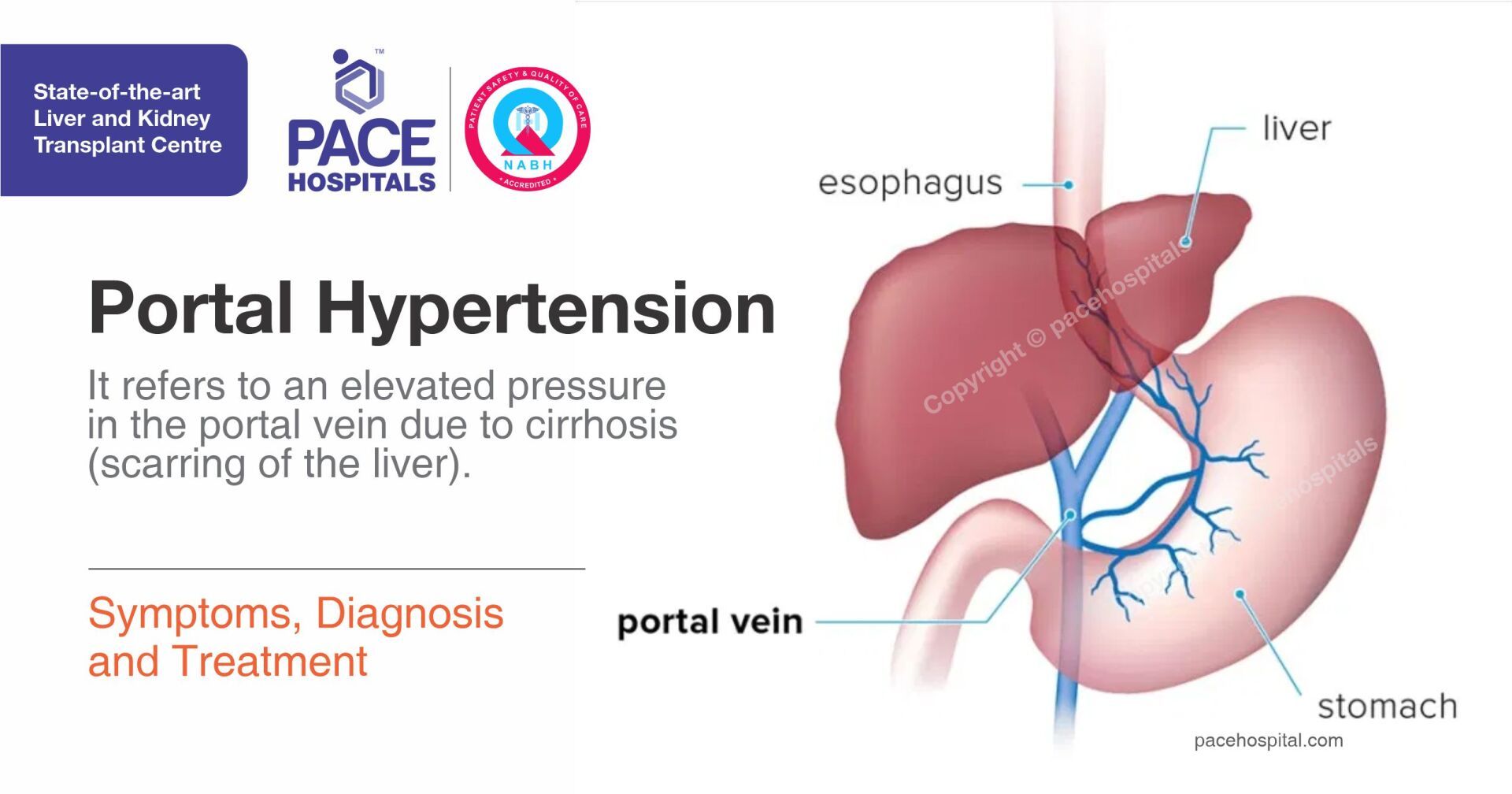
The liver plays a central role in:
-
Producing albumin (a protein that maintains fluid balance)
-
Regulating clotting factors
-
Managing portal blood flow
-
Detoxifying inflammatory mediators
-
Metabolizing hormones
When these functions decline, the circulatory and lymphatic systems are affected — and the legs often reveal it.
1️⃣ Leg Swelling (Peripheral Edema)
One of the most common signs is bilateral lower leg swelling.
Why It Happens:
-
The liver produces albumin.
-
Albumin maintains oncotic pressure in blood vessels.
-
Low albumin allows fluid to leak into surrounding tissues.
This leads to:
-
Puffy ankles
-
Swollen calves
-
Tight skin
-
Indentations when pressed (pitting edema)
In advanced liver disease, this may accompany abdominal fluid accumulation (ascites).
Persistent swelling that worsens throughout the day should never be ignored.
2️⃣ Visible Veins and Vascular Changes


Chronic liver disease can alter vascular regulation due to:
-
Hormonal imbalance (especially estrogen metabolism)
-
Portal hypertension
-
Systemic vasodilation
You may notice:
-
Spider veins
-
Prominent superficial veins
-
Varicosities
-
Increased skin redness
These changes reflect altered blood flow dynamics.
3️⃣ Skin Discoloration
The liver processes bilirubin, a byproduct of red blood cell breakdown.
When liver function declines:
-
Bilirubin accumulates
-
Skin may develop a yellowish tint (jaundice)
-
Dark patches may appear
-
Bruising becomes easier
In the legs specifically, chronic liver disease can also cause:
-
Brownish pigmentation
-
Thinning skin
-
Slow wound healing
4️⃣ Itching (Pruritus) in the Lower Extremities


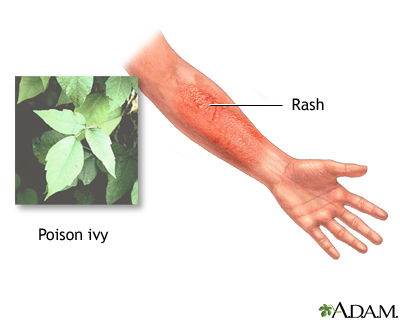
Cholestasis (impaired bile flow) can lead to bile salt accumulation in the bloodstream.
This triggers:
-
Persistent itching
-
Burning sensation
-
Scratch marks
-
Thickened skin over time
Pruritus associated with liver disease is often worse at night and can affect the legs intensely.
5️⃣ Muscle Wasting and Weakness
Advanced liver disease can lead to:
-
Protein metabolism dysfunction
-
Malnutrition
-
Reduced muscle synthesis
The legs may appear:
-
Thinner
-
Weaker
-
Easily fatigued
Loss of muscle mass (sarcopenia) is common in cirrhosis and significantly impacts mobility and prognosis.
6️⃣ Easy Bruising or Bleeding
The liver produces clotting factors.
When impaired:
-
Minor trauma may cause large bruises
-
Small cuts bleed longer
-
Skin appears fragile
You may notice unexplained bruises on the shins or calves.
This reflects coagulation imbalance — a serious sign.
7️⃣ Restless Legs or Nerve Sensations
In chronic liver disease, especially with metabolic complications:
-
Peripheral neuropathy may develop
-
Tingling or numbness can occur
-
Restless leg symptoms may appear
This is often secondary to toxin buildup or associated conditions like diabetes.
⚠️ Important Context
Not every swollen leg indicates liver disease.
Common alternative causes include:
-
Heart failure
-
Kidney disease
-
Venous insufficiency
-
Lymphatic disorders
-
Prolonged sitting
However, when leg changes occur alongside:
-
Fatigue
-
Abdominal swelling
-
Yellowing of eyes
-
Dark urine
-
Unexplained weight loss
A liver evaluation becomes medically necessary.
🧪 When to Seek Testing
If symptoms persist, medical evaluation may include:
-
Liver function tests (ALT, AST, bilirubin)
-
Albumin levels
-
Coagulation profile (INR)
-
Ultrasound imaging
-
Fibrosis assessment
Early-stage liver disease is often reversible. Late-stage disease is far more complex.
🛡️ Protecting Liver Health
Prevention strategies are well established:
-
Avoid excessive alcohol consumption
-
Maintain healthy body weight
-
Control blood sugar
-
Vaccinate against hepatitis when appropriate
-
Limit unnecessary medication use
-
Eat a nutrient-dense diet
-
Exercise regularly
The Bottom Line
The liver rarely causes pain until disease is advanced. Instead, it communicates through indirect systemic signs.
The legs — through swelling, itching, discoloration, vascular changes, or muscle loss — can serve as visible indicators of internal imbalance.
The body often reveals dysfunction quietly before crisis occurs.
Recognizing subtle changes early is not alarmism — it is preventative vigilance.
If symptoms are persistent or progressive, medical consultation is essential.
Your liver works continuously. Paying attention to the signals it sends may change outcomes dramatically.