Remember the “3 Don’ts” After Meals and the “4 Don’ts” Before Bed to Lower Stroke Risk
Stroke is not random. It is usually the result of cumulative vascular stress — high blood pressure, arterial plaque, inflammation, blood sugar dysregulation, and lifestyle habits that silently strain the brain’s blood vessels over years.
The brain depends on stable circulation. Anything that spikes blood pressure, thickens blood, destabilizes glucose, or disrupts vascular tone increases long-term stroke risk.
While genetics matter, daily behavior is far more influential than most people realize.
Below are practical, physiology-based habits that support vascular stability — especially after meals and before sleep, two periods when blood pressure and circulation are particularly sensitive.
🧠 Why Timing Matters


After eating, the body redirects blood to the digestive system. This temporarily changes blood pressure and circulation patterns.
Before sleep, blood pressure normally dips. Poor habits during this window can disrupt that natural regulation, increasing cardiovascular strain.
Let’s break it down clearly.
✅ The 3 Don’ts After Meals
1️⃣ Don’t Lie Down Immediately
Lying flat right after eating:
-
Slows digestion
-
Increases acid reflux
-
May raise transient blood pressure
-
Reduces efficient blood redistribution
For individuals with hypertension or metabolic syndrome, post-meal blood pressure spikes (postprandial hypertension) are a real phenomenon.
Best practice: Stay upright for at least 30–60 minutes. Light walking is ideal.
2️⃣ Don’t Smoke or Vape
Nicotine causes:
-
Immediate vasoconstriction
-
Increased heart rate
-
Elevated blood pressure
-
Increased platelet aggregation
After a meal — when circulation is already adapting — adding nicotine further stresses blood vessels.
This significantly compounds stroke risk over time.
3️⃣ Don’t Overeat (Especially Heavy, Salty Meals)


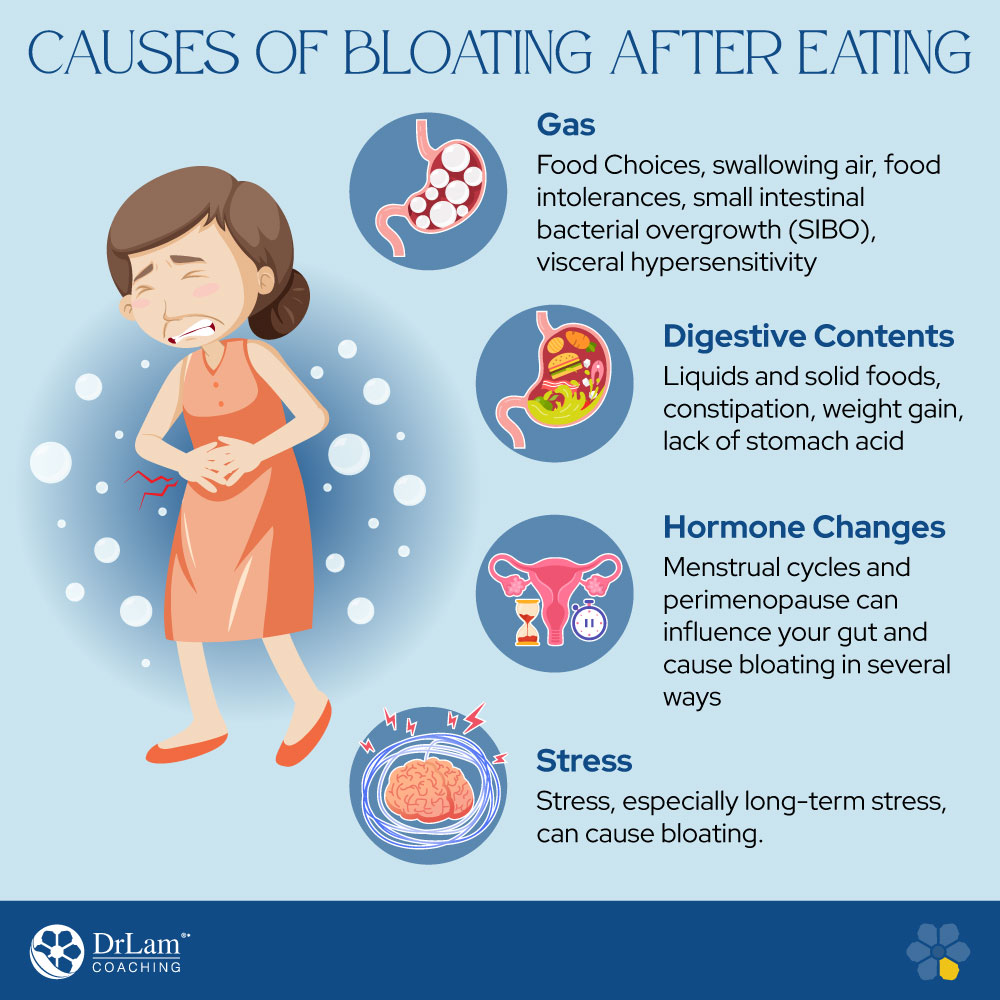
Large meals — particularly high in:
-
Sodium
-
Saturated fat
-
Refined carbohydrates
can trigger:
-
Blood sugar spikes
-
Insulin surges
-
Temporary increases in blood viscosity
-
Elevated blood pressure
Chronic repetition leads to endothelial dysfunction — a key contributor to stroke.
Portion control is vascular protection.
🌙 The 4 Don’ts Before Bed
Nighttime is when your cardiovascular system is supposed to recover. Disturbing that rhythm increases long-term risk.
1️⃣ Don’t Go to Bed Immediately After a Heavy Dinner
Late heavy meals can:
-
Disrupt glucose regulation overnight
-
Increase nocturnal blood pressure
-
Impair sleep quality
Poor sleep itself is an independent stroke risk factor.
Allow at least 2–3 hours between dinner and sleep.
2️⃣ Don’t Drink Excessive Alcohol at Night


Alcohol may initially feel relaxing, but physiologically it:
-
Raises blood pressure
-
Disrupts REM sleep
-
Promotes dehydration
-
Increases arrhythmia risk
Chronic nighttime drinking increases both ischemic and hemorrhagic stroke risk.
Moderation — or avoidance — matters.
3️⃣ Don’t Ignore High Blood Pressure Symptoms
Before bed is when some people experience:
-
Headache
-
Dizziness
-
Facial flushing
-
Irregular heartbeat
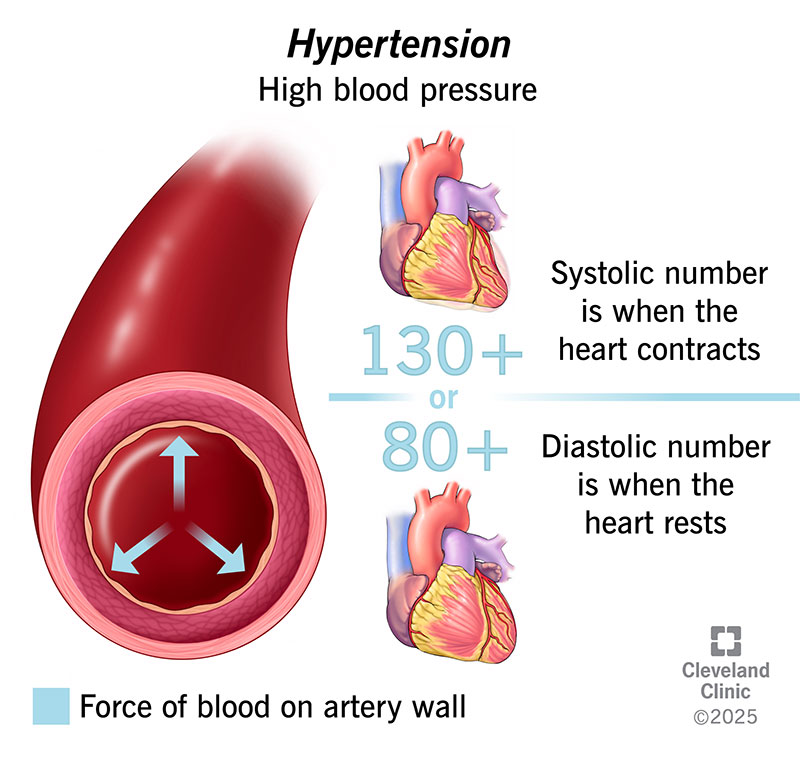
Uncontrolled nocturnal hypertension is strongly associated with stroke.
If diagnosed with hypertension, take medications consistently and monitor levels regularly.
4️⃣ Don’t Stay Up Excessively Late


Chronic sleep deprivation:
-
Raises cortisol
-
Elevates blood pressure
-
Increases inflammation
-
Impairs glucose metabolism
People sleeping less than 6 hours per night show higher cardiovascular risk markers.
Quality sleep is not optional — it is neurological maintenance.
⚠️ Important Clarification
No simple checklist “guarantees” stroke prevention.
Stroke risk is influenced by:
-
Hypertension
-
Diabetes
-
Smoking
-
Atrial fibrillation
-
Obesity
-
Sedentary lifestyle
-
Family history
The habits above reduce strain — but medical management remains essential for high-risk individuals.
🧠 Early Stroke Warning Signs (Know FAST)
If you ever notice:
-
Face drooping
-
Arm weakness
-
Speech difficulty
-
Time to call emergency services
Immediate treatment can prevent permanent damage.
The Bigger Picture
Stroke prevention is not about fear — it’s about vascular discipline.
Small repeated stressors:
-
Heavy meals
-
Night drinking
-
Smoking
-
Poor sleep
accumulate over decades.
Small protective habits accumulate too.
Stay upright after meals.
Eat moderately.
Limit alcohol.
Sleep properly.
Control blood pressure.
Consistency protects the brain far more effectively than dramatic short-term changes.
Your brain depends on uninterrupted blood flow every second of your life.
Protecting that flow is a daily decision.