
5 Popular Foods That May Affect Your Health - Smarter Swaps for a Better Diet
5 Everyday Foods to Be Mindful Of - Healthier Choices Ahead
Health 04/04/2026 17:29
In many parts of the world, wild plants grow quietly along roadsides, fields, and open landscapes without drawing much attention. One such plant is Bull Thistle (Cirsium vulgare), a tall, spiny plant often dismissed as a common weed. Despite its prickly appearance and reputation as an unwanted plant, Bull Thistle has attracted interest from herbal enthusiasts, botanists, and traditional healers for its potential uses and unique properties.
Although it is not widely recognized in modern cuisine or medicine, Bull Thistle has a long history of use in traditional practices. Its resilience, nutrient content, and natural compounds make it a fascinating example of how overlooked plants can still hold value in natural ecosystems and traditional herbal knowledge.
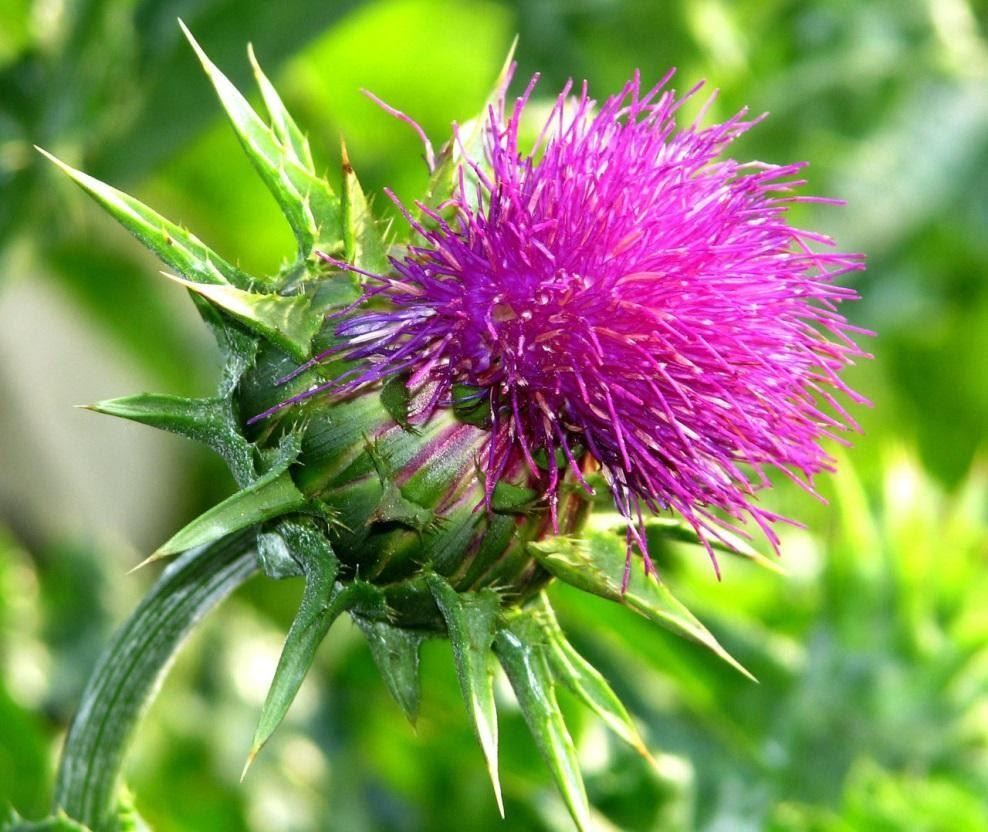
Bull Thistle is a biennial plant belonging to the Asteraceae family, the same botanical family as sunflowers and daisies. It is native to Europe and Asia but has spread widely to other regions, including North America and Australia.
The plant is easy to recognize due to its distinctive features:
Tall, upright stems
Deep green leaves covered with sharp spines
Purple or pink thistle flowers that bloom in summer
A strong taproot that helps the plant survive harsh conditions
Bull Thistle can grow up to 1.5 meters (about 5 feet) tall and thrives in disturbed soil, open fields, and grasslands.
Although farmers often view it as a weed because it competes with crops, the plant plays an important role in natural ecosystems.
While Bull Thistle is sometimes removed from agricultural land, it offers several ecological benefits.
The plant’s bright purple flowers attract many pollinators, including:
Bees
Butterflies
Other beneficial insects
These pollinators rely on nectar sources, especially during seasons when other flowers may be scarce.
Birds such as finches are known to feed on thistle seeds, while the plant’s structure provides shelter for small insects.
Because of these interactions, Bull Thistle contributes to biodiversity in natural environments.

Historically, many cultures have explored the potential uses of thistle plants in herbal traditions. While Bull Thistle is not as widely studied as some other medicinal plants, it has occasionally been used in folk remedies.
Traditional uses have included:
Herbal teas made from certain plant parts
Preparations used to support digestion
Applications in traditional plant-based remedies
These uses were often passed down through generations of herbal practitioners who relied on locally available plants.
However, modern scientific research on Bull Thistle remains limited, and traditional claims should be approached with caution.
Like many wild leafy plants, Bull Thistle contains certain nutrients that may contribute to its potential value.
Studies of related thistle species have identified compounds such as:
Antioxidants
Flavonoids
Plant-based minerals
These compounds are commonly found in many plants and may support general health when consumed as part of a varied diet.
In some regions, young thistle stems or leaves have historically been cooked or prepared after removing the spines.
Although more scientific studies are needed, researchers have shown interest in certain compounds present in thistle species.
Some of the properties that scientists continue to investigate include:
Plant antioxidants help protect cells from oxidative stress caused by free radicals. Many wild plants contain natural antioxidant compounds.
Some traditional herbal practices have used thistle plants to support digestive comfort.
Certain plant chemicals found in thistle species may have anti-inflammatory properties, though further research is required to confirm their effects.
It is important to note that these potential benefits are still being studied, and Bull Thistle should not be used as a substitute for medical treatment.
In traditional herbal settings, different parts of the plant have occasionally been used.
Young leaves were sometimes prepared after removing the spines.
Some herbal traditions have used plant roots in infusions.
The flowers can be used in natural preparations or simply appreciated for their ecological role in supporting pollinators.
Because the plant is covered with spines, careful handling is necessary.
While wild plants can be fascinating and potentially useful, it is important to exercise caution when considering their use.
Important considerations include:
Proper plant identification
Avoiding contaminated areas such as roadsides or polluted soil
Consulting healthcare professionals before using herbal preparations
Many wild plants resemble one another, and misidentification can lead to safety risks.
Bull Thistle is an example of how plants commonly labeled as weeds may still hold ecological or traditional value.
Throughout history, humans have relied on wild plants for:
Food
Herbal medicine
Ecological balance
Today, scientists and botanists continue to study these plants to better understand their potential roles in both natural ecosystems and human health.

Bull Thistle (Cirsium vulgare) may not appear impressive at first glance, but this resilient wild plant offers more than its prickly exterior suggests. From supporting pollinators in the environment to its historical use in traditional herbal practices, Bull Thistle demonstrates how even overlooked plants can contribute to biodiversity and cultural knowledge.
Although modern science is still exploring its properties, the plant remains an interesting example of nature’s diversity and potential.
Learning about wild plants like Bull Thistle reminds us that the natural world still holds many discoveries waiting to be explored.
5 Everyday Foods to Be Mindful Of - Healthier Choices Ahead

Feel Tired All the Time? It Might Be Your Circulation

How to Defrost Fish Safely: 3 Fast and Trusted Methods

She Ate Steamed Sweet Potatoes Every Day — But Her Liver Test Results Left Her in Sh.o.ck

Be Alert: Bruises in These Spots May Signal a Health Issue

Doctors Reveal Why Night Showers Beat Morning Showers Every Time

7 Surprising Signs You May Be Low on Vitamin B12 - Pay Attention
While Cucumbers Are Nutritious, Certain People Should Be Cautious

Why Chicken Feet Are a Healthy Choice You Shouldn’t Ignore?

Leftovers can be deadly—if they remain, throw them away immediately!

Tiny Red Dots on Your Skin: Possible Causes and Their Meanings

The Surprising Rise of Lung Can.cer in Non-Smokers and Its Possible Causes
5 Health Conditions That May Require You to Avoid Ginger
Banana Blossom Power: The Secret Superfood That Can Revitalize Your Body

When Punch Falls for Someone, He Acts Human… But That Might Be Only the Beginning

Too Much Burping? Your Body Might Be Warning You

If You’re Farting Excessively, Your Body Could Be Sending a Warning ⚠️ Find Out Why 👇
Sour Vaginal Smell? Here Are 4 Real Causes Every Woman Should Be Aware Of

Conclusion Thyroid cancer may present with subtle or unexpected symptoms beyond the commonly known neck lump. Being aware of these signs — persistent hoarseness, difficulty swallowing, neck swelling, and more — can help you seek early diagnosis and
As one doctor noted: “Even healthy foods can have unintended effects if consumed without care. Moderation and attention to your body’s response are essential.”
5 Everyday Foods to Be Mindful Of - Healthier Choices Ahead
Feel Tired All the Time? It Might Be Your Circulation
How to Defrost Fish Safely: 3 Fast and Trusted Methods
She Ate Steamed Sweet Potatoes Every Day — But Her Liver Test Results Left Her in Sh.o.ck
Be Alert: Bruises in These Spots May Signal a Health Issue
Doctors Reveal Why Night Showers Beat Morning Showers Every Time

9 Everyday Items in Your Home That Could Affect Your Health
7 Surprising Signs You May Be Low on Vitamin B12 - Pay Attention
Keep your ginger fresh for months with simple methods that don’t require refrigeration or extra effort
While Cucumbers Are Nutritious, Certain People Should Be Cautious
Why Chicken Feet Are a Healthy Choice You Shouldn’t Ignore?
Leftovers can be deadly—if they remain, throw them away immediately!
Tiny Red Dots on Your Skin: Possible Causes and Their Meanings
The Surprising Rise of Lung Can.cer in Non-Smokers and Its Possible Causes
5 Health Conditions That May Require You to Avoid Ginger
Banana Blossom Power: The Secret Superfood That Can Revitalize Your Body
When Punch Falls for Someone, He Acts Human… But That Might Be Only the Beginning
Too Much Burping? Your Body Might Be Warning You
6 Surprising Reasons Luffa Is Better for You Than You Think
If You’re Farting Excessively, Your Body Could Be Sending a Warning ⚠️ Find Out Why 👇