Can Certain Foods Help the Body Fight Cancer? Here’s What Science Actually Says
Social media headlines often claim that cancer can “die” when you eat certain foods. While this wording is misleading, modern science does confirm that diet plays a powerful role in supporting the body’s natural defense systems.
Cancer does not disappear because of food alone. However, some foods contain bioactive compounds that help reduce inflammation, support immune function, and protect cells from damage. Over time, these effects may lower cancer risk and support the body during treatment.
Understanding the difference between supporting the body and curing disease is essential.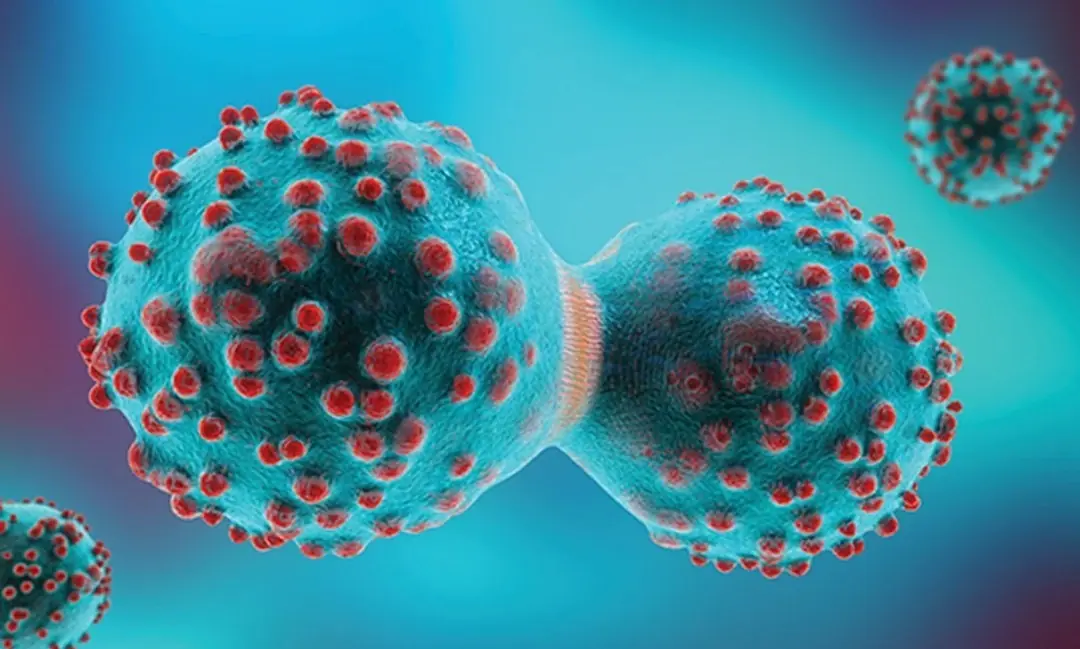
Why Food Matters in Cancer Prevention and Support
Cancer develops when cells grow uncontrollably due to genetic damage, inflammation, and immune dysfunction. Diet influences all three.
A nutrient-rich diet can:
-
Reduce chronic inflammation
-
Support immune surveillance
-
Help the body repair DNA damage
-
Improve overall metabolic health
This is why doctors emphasize diet as prevention and support, not as a cure.
8 Foods That Support the Body’s Natural Anti-Cancer Defenses
1. Cruciferous Vegetables (Broccoli, Cabbage, Kale)
These vegetables contain sulforaphane, a compound studied for its role in supporting detoxification enzymes and cellular protection.
-
Helps neutralize harmful compounds
-
Supports liver function
-
Associated with lower cancer risk in population studies
Light cooking preserves their benefits.
2. Garlic and Onions
Garlic contains allicin, while onions provide sulfur-containing compounds.
-
Support immune activity
-
May slow abnormal cell growth in lab studies
-
Help reduce inflammation
Crushing garlic and letting it rest before cooking increases its activity.
3. Berries (Blueberries, Strawberries, Raspberries)
Berries are rich in polyphenols and antioxidants.
-
Protect cells from oxidative stress
-
Support DNA repair mechanisms
-
Help regulate inflammation
Fresh or frozen berries retain most benefits.
4. Fatty Fish (Salmon, Sardines, Mackerel)
Omega-3 fatty acids help regulate inflammation, which plays a role in cancer development.
-
Support immune balance
-
Improve cellular membrane function
-
Associated with lower inflammation markers
Aim for two servings per week.
5. Green Tea
Green tea contains EGCG, one of the most studied plant compounds in cancer research.
-
Supports cellular defense pathways
-
May slow abnormal cell signaling
-
Helps reduce oxidative stress
Green tea works best as a regular habit, not a one-time fix.
6. Tomatoes
Cooked tomatoes provide lycopene, a powerful antioxidant.
-
Supports prostate and cardiovascular health
-
Helps protect cells from damage
-
More bioavailable when cooked
Tomato-based sauces are an excellent option.
7. Turmeric (with Black Pepper)
Curcumin, the active compound in turmeric, is known for anti-inflammatory properties.
-
Supports immune modulation
-
Helps reduce chronic inflammation
-
Absorption improves when combined with black pepper
Use in cooking or warm drinks regularly.
8. Legumes and Whole Grains
Beans, lentils, oats, and brown rice provide fiber and plant nutrients.
-
Support gut health
-
Help regulate blood sugar
-
Improve metabolic balance
A healthy gut microbiome plays a role in immune defense.
What These Foods Do NOT Do
It is critical to be clear.
These foods do NOT:
-
Kill cancer cells instantly
-
Replace medical treatment
-
Cure cancer on their own
-
Work if eaten occasionally
Cancer treatment requires medical intervention, including surgery, chemotherapy, radiation, or targeted therapies when needed.
Why Diet Works Best as a Pattern, Not a List
No single food changes health outcomes. What matters is consistency.
Doctors recommend:
-
A plant-forward diet
-
Minimal processed foods
-
Limited sugar and ultra-refined products
-
Balanced protein intake
-
Adequate hydration
This pattern creates an internal environment that is less favorable for disease progression.
Who Benefits the Most from Dietary Changes
Dietary improvements are especially important for:
-
People with a family history of cancer
-
Individuals with chronic inflammation
-
Patients undergoing cancer treatment (under medical guidance)
-
People focused on long-term prevention
Nutrition works best when combined with medical care and lifestyle changes.
When to Talk to a Doctor or Nutritionist
Always seek professional advice if:
-
You are undergoing cancer treatment
-
You plan major dietary changes
-
You have kidney, liver, or metabolic disease
Food is powerful—but it must be used wisely.
Final Thoughts
Cancer does not “die” because of food—but your body becomes stronger, more resilient, and better equipped to defend itself when nourished properly.
Healthy eating is not a miracle cure.
It is a long-term investment in cellular health.
When combined with medical care, awareness, and consistency, diet becomes one of the most reliable tools for protecting your future health.