Local authorities must then assess the risk to specific communities, communicate warnings, and determine whether evacuation or other protective measures are necessary.
A warning that reaches someone too late may not provide enough time to escape.
A warning that is too general may fail to communicate the seriousness of the situation.
A system that relies on residents registering their phone numbers may not reach tourists or temporary visitors.
The Texas disaster showed why emergency planning must account for all of these factors.
Why Investigations Matter
Investigations are not simply about identifying mistakes.
They can also help establish what worked, what failed, and which improvements could reduce the risk of future disasters.
For example, authorities may examine whether additional flood gauges are needed.
They may consider whether sirens should be installed in vulnerable areas.
They may review evacuation plans for camps, hotels, and recreational properties.
They may also assess how quickly emergency agencies can share information during rapidly developing weather events.
The purpose is to improve the ability of communities to respond before floodwaters become life-threatening.
The July 2025 disaster created an opportunity to examine these systems in detail.
The findings may influence future policies and preparedness measures across Texas.
Could a Similar Disaster Happen Again?
Unfortunately, no region can completely eliminate the risk of flash flooding.
Extreme rainfall can occur even in places that have experienced relatively dry conditions.
However, communities can reduce the consequences by improving preparedness.
This involves several measures.
Better flood monitoring: River gauges and rainfall sensors can help authorities understand how quickly conditions are changing.
More effective alerts: Emergency messages should reach residents and visitors through multiple channels.
Clear evacuation routes: People should know where to go when an evacuation becomes necessary.
Improved camp safety: Facilities located near rivers should have clear emergency plans and procedures for moving people to higher ground.
Public education: Residents and visitors should understand that floodwater can become dangerous very quickly.
Stronger infrastructure: Roads, bridges, drainage systems, and other public facilities should be assessed for their ability to withstand extreme weather.
These measures cannot prevent every tragedy.
But they can reduce exposure and give people more time to reach safety.
Why Tourists Need to Be Included in Emergency Planning
One lesson from the Texas disaster is that emergency systems must account for people who are unfamiliar with the area.
Tourists may not know the local river system.
They may not understand which areas are vulnerable to flash flooding.
They may also be unaware of evacuation routes or emergency notification systems.
This is particularly important for campsites, recreational parks, hotels, and holiday destinations.
A visitor who arrives for a weekend may not know how to receive local emergency messages.
Therefore, safety information should be available at the locations where visitors stay.
Clear signs, evacuation maps, staff training, and accessible emergency instructions can help reduce confusion.
People should also know that moving to higher ground is often safer than attempting to drive through floodwater.
The most dangerous decision during a flash flood can be assuming that a flooded road is still passable.
What People Should Do When Flash-Flood Warnings Are Issued
The July 2025 tragedy offers important lessons for anyone living in or visiting an area exposed to sudden flooding.
Flash floods can develop quickly, sometimes faster than people expect.
Knowing what to do before an emergency occurs can make a meaningful difference.
1. Move to Higher Ground Immediately
If authorities issue an evacuation warning or instruct people to move to higher ground, follow the instructions.
Do not wait until water reaches the property.
Do not spend valuable time collecting unnecessary belongings.
In a rapidly developing flood, minutes can matter.
2. Never Walk or Drive Through Floodwater
Floodwater can be deeper and faster-moving than it appears.
Road surfaces may be damaged or completely washed away.
A vehicle can lose traction or become trapped.
Even if another vehicle appears to pass through safely, conditions may change within moments.
The safest approach is to avoid entering floodwater.
3. Monitor Official Weather Alerts
People should use reliable weather and emergency information sources.
Mobile emergency alerts, local authorities, and official weather services can provide important updates.
It is also wise to have more than one way to receive information.
This is especially important in areas where mobile coverage may be unreliable.
4. Prepare an Emergency Kit
An emergency kit may include:
-
Drinking water.
-
Nonperishable food.
-
Essential medication.
-
A flashlight.
-
Spare batteries.
-
A portable phone charger.
-
First-aid supplies.
-
Important documents in waterproof packaging.
-
Basic clothing and personal necessities.
Families with children, older adults, or people with disabilities may need additional supplies.
5. Know Your Evacuation Route
People staying near rivers, creeks, and low-lying areas should know how to reach higher ground.
Do not assume that the road closest to the property will remain usable during flooding.
Identify alternative routes where possible.
6. Follow Instructions From Emergency Personnel
When emergency responders issue evacuation instructions, follow them.
Do not return to a flooded area until authorities confirm that it is safe.
Floodwaters may recede while hazards remain.
Damaged buildings, electrical equipment, contaminated water, and unstable roads can all create additional risks.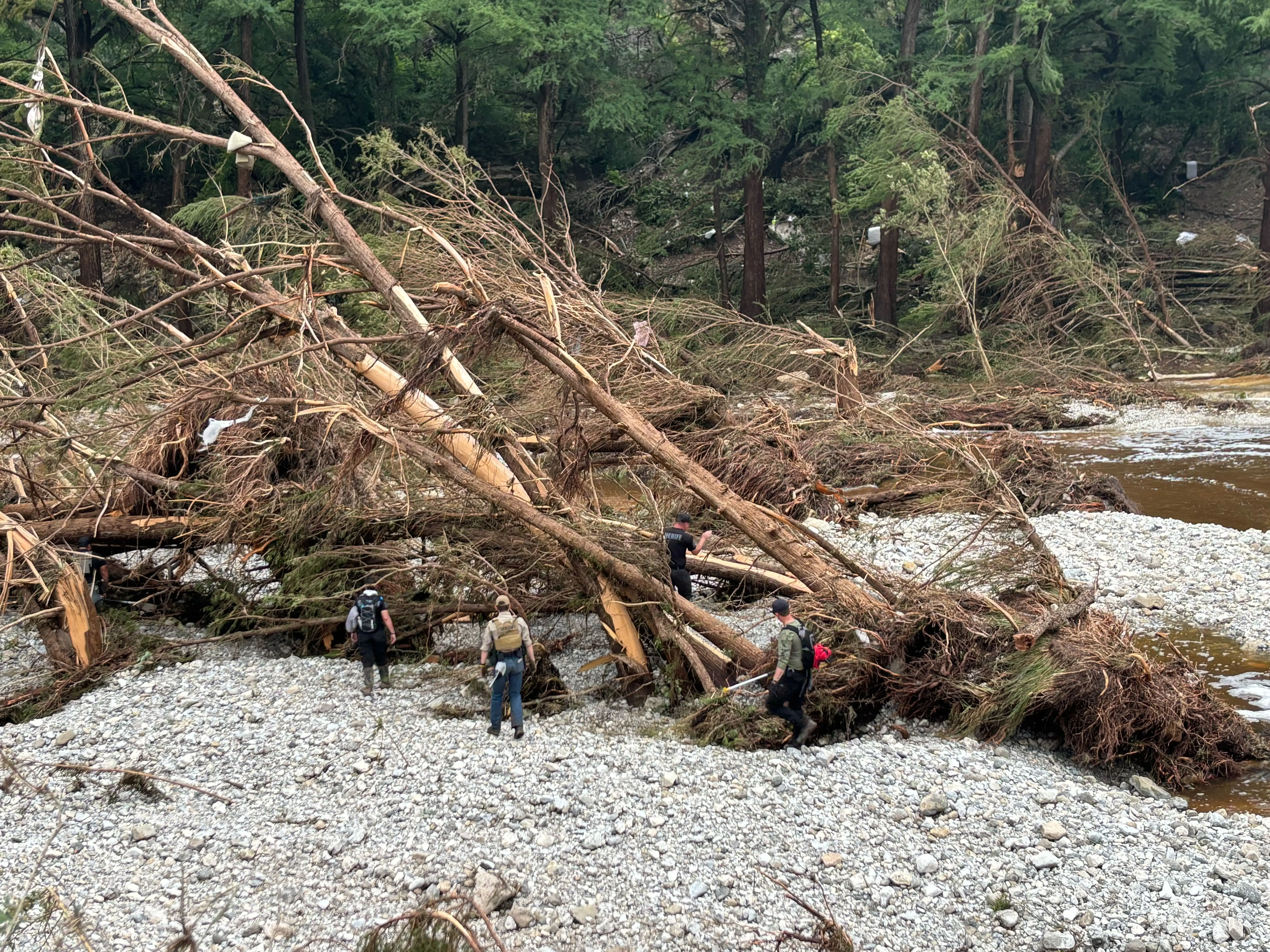
The Long-Term Lessons From the July 2025 Texas Floods
The Central Texas floods were not simply a story about unusually heavy rain.
They revealed how quickly a natural disaster can overwhelm communities, how difficult it can be to locate missing people, and how important emergency communication becomes when conditions change within minutes.
The tragedy also demonstrated that flood preparedness must include more than residents who live permanently in vulnerable areas.
Children at summer camps, tourists, holiday visitors, workers, and people staying temporarily near rivers all need access to reliable safety information.
The loss of 137 lives across the affected region remains a devastating reminder of the destructive power of flash flooding.
For the families who lost loved ones, the disaster will never be just a historical weather event.
For survivors, the destruction of homes and communities created challenges that continued long after the water receded.
For emergency officials, the event raised difficult questions about warning systems, evacuation procedures, and the ability to coordinate a response during rapidly developing emergencies.
The investigations that followed are important because they may help identify improvements that protect people in future disasters.
The Texas Hill Country remains a beautiful region, but its rivers and valleys demand respect.
A river that looks peaceful during ordinary weather can become extremely dangerous when intense rainfall occurs upstream.
The July 4 disaster showed how quickly that transformation can happen.
Conclusion: A Flood That Changed Central Texas Forever
The original July 6, 2025, social media headline reported 51 deaths and dozens of missing people.
That was an early snapshot of an unfolding emergency.
The confirmed toll continued to increase as rescue teams searched the affected communities and authorities identified victims.
Later scientific analysis reported 137 deaths across the affected region, while the Texas legislative investigation documented 117 confirmed deaths and two additional missing people in Kerr County.
The destruction extended across homes, roads, recreational facilities, and summer camps.
The tragedy at Camp Mystic brought particular attention to the danger faced by children and the importance of emergency planning at facilities located near waterways.
Meanwhile, the work of rescue teams and volunteers demonstrated the extraordinary effort required to respond to a large-scale flash flood.
The photographs associated with the original post capture the general nature of the devastation, although not every individual image in the collage has been independently authenticated as a photograph from Texas.
The most important lesson is that flash flooding should never be underestimated.
It can develop rapidly, overwhelm familiar places, and leave people with very little time to escape.
The July 2025 Texas disaster will remain a significant event in the state's history, not only because of the lives lost but also because of the questions it raised about preparedness, public warnings, and protecting vulnerable communities.
The early headline reported 51 deaths. The final scale of the disaster was far greater: 137 lives lost across the affected region.