Everyone Should Be Careful When Reheating Cold Rice — Here’s Why
Leftover rice is a common staple in many households. It’s convenient, filling, and easy to reheat. But did you know that reheating cold rice improperly can actually be dangerous? Here’s everything you need to know to stay safe.
Why Reheating Cold Rice Can Be Risky
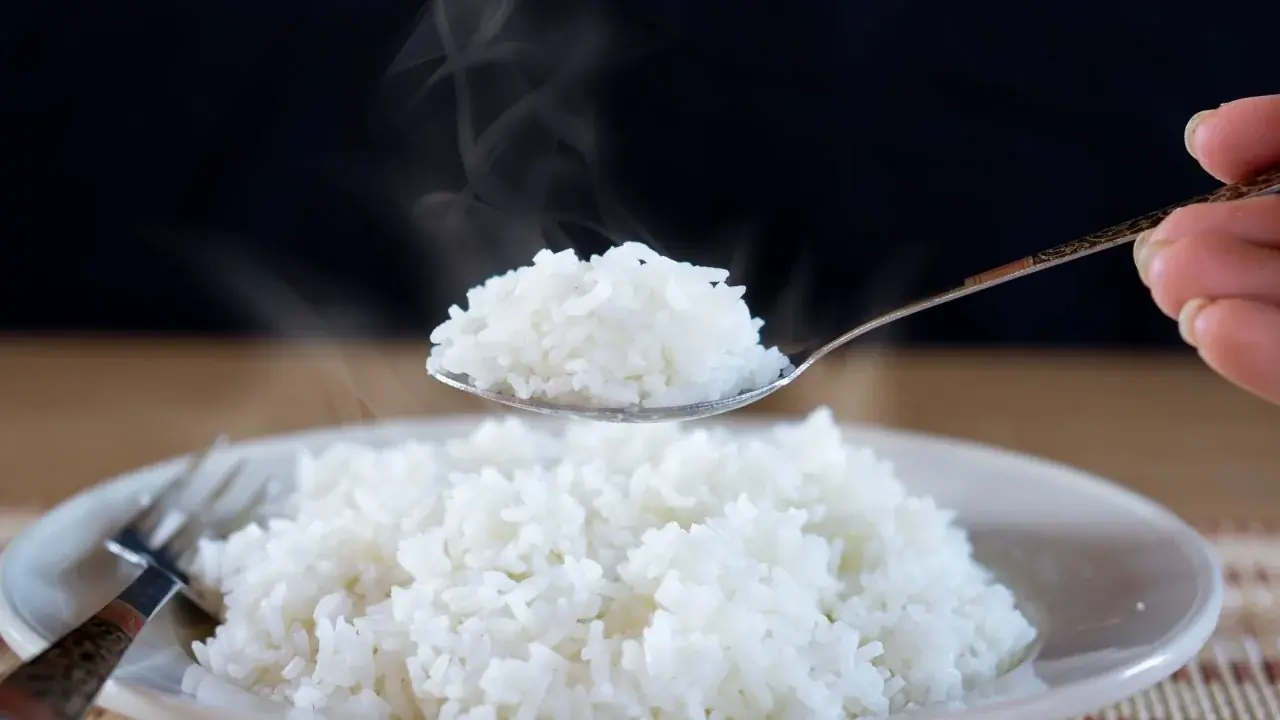
The main risk comes from a bacteria called Bacillus cereus, which can survive cooking. When rice is cooked and left at room temperature, spores from this bacteria can grow and produce toxins. Reheating the rice does not always destroy these toxins, which can lead to food poisoning. Symptoms may include nausea, vomiting, diarrhea, and stomach cramps.
Key facts:
- Bacillus cereus thrives in cooked rice that’s been left out for more than 2 hours.
- Even if the rice smells and looks fine, toxins may still be present.
- Children, the elderly, and people with weakened immune systems are more susceptible to illness.
Tips for Safe Handling and Reheating
- Cool Rice Quickly
After cooking, cool rice as fast as possible (within 1 hour) and store it in the refrigerator. Use shallow containers to help it cool evenly. - Store Properly
Keep rice in the fridge at 4°C (40°F) or lower, and consume it within 1–2 days. - Reheat Thoroughly
Reheat rice until it’s steaming hot all the way through (at least 75°C or 165°F). Avoid reheating multiple times. - Avoid Room Temperature Storage
Do not leave cooked rice sitting out at room temperature for long periods, as this allows bacteria to multiply.
Bottom Line
Reheating leftover rice is convenient, but it must be done safely. Proper cooling, storage, and thorough reheating can prevent food poisoning caused by Bacillus cereus. When in doubt, it’s better to discard rice that has been left out too long.
Sources
- NHS (UK) – “Food poisoning from Bacillus cereus”
- FoodSafety.gov – “Leftovers and Food Safety”
- Centers for Disease Control and Prevention (CDC) – “Bacillus cereus”