Colon Cleansing: Health Trend or Risky Myth? What Science Really Says
In recent years, “colon cleansing” has become a popular wellness trend, widely promoted as a natural way to detox the body, boost energy, and improve digestion. From herbal teas to juice diets and fiber supplements, countless methods claim to flush toxins from the digestive system. But how much of this is actually backed by science?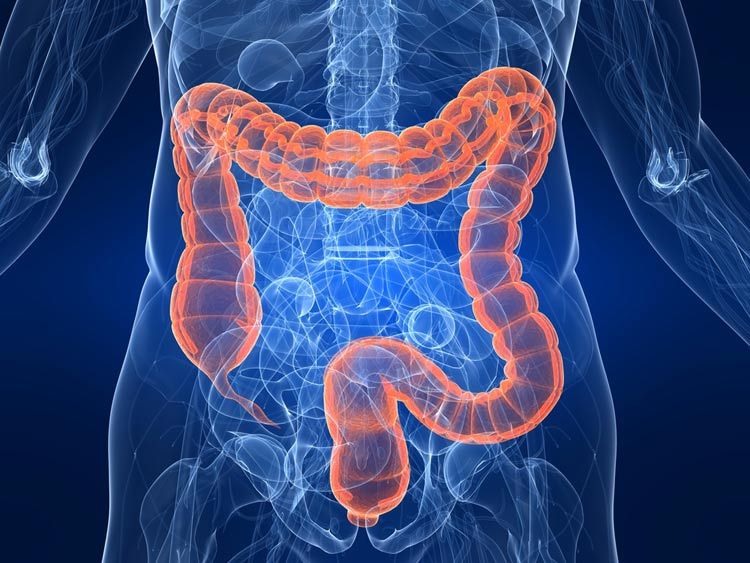
What Is Colon Cleansing?
Colon cleansing—also known as a “detox” or “bowel cleanse”—refers to various methods aimed at removing waste from the large intestine. These can include drinking large amounts of water, consuming high-fiber foods, herbal teas, juices, or even undergoing procedures like colon hydrotherapy.
While these practices are widely marketed as essential for maintaining health, medical experts say the human body already has a built-in system for eliminating waste.
The Claims Behind the Trend
Advocates of colon cleansing often claim it can:
- Increase energy levels
- Support weight loss
- Improve digestion
- Boost the immune system
- Reduce the risk of colon cancer
However, these benefits are largely based on anecdotal evidence rather than scientific research.
In fact, the underlying idea that toxins accumulate in the colon and poison the body—known as “autointoxication”—was debunked over a century ago.
What Science Actually Says
Medical research consistently shows little to no evidence supporting the health benefits of colon cleansing for general wellness.
Doctors emphasize that the digestive system—including the liver, kidneys, and intestines—already works efficiently to remove waste and toxins. Regular bowel movements are the body’s natural cleansing process.
Colon cleansing is only medically necessary in specific cases, such as preparing for a colonoscopy.
Potential Risks You Should Know
Despite being marketed as “natural,” colon cleansing can come with serious side effects, including:
- Dehydration
- Diarrhea and cramping
- Electrolyte imbalance
- Infections
- Nutrient deficiencies
In more severe cases, procedures like colon hydrotherapy have been linked to bowel perforation and kidney problems.
Certain groups—such as people with digestive disorders, heart disease, or kidney issues—may face even higher risks.
Safer Ways to Support Digestive Health
Instead of relying on detox products, experts recommend simple, evidence-based habits:
- Drink enough water daily
- Eat fiber-rich foods like fruits, vegetables, and whole grains
- Include probiotic and fermented foods
- Stay physically active
These approaches support gut health naturally—without the risks associated with cleansing routines.
The Bottom Line
Colon cleansing may sound appealing, especially with promises of quick detox and improved health. But current scientific evidence does not support these claims—and in some cases, the practice may do more harm than good.
For most people, the best “cleanse” is simply maintaining a healthy lifestyle and letting the body do its job.