Why Japanese People Eat Raw Eggs Without Fear — The Strict System Behind It
In many countries, eating raw eggs is often associated with the risk of food poisoning, especially due to Salmonella. Yet in Japan, cracking a raw egg over a bowl of hot rice is a daily habit enjoyed by millions.
So why do the Japanese feel safe doing something that others avoid?
A Popular Dish That Surprises Foreigners
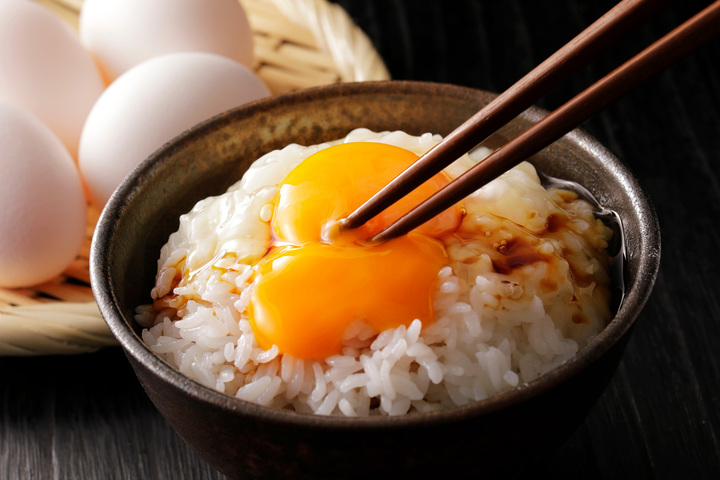
Visitors to Japan are often shocked to see locals eating Tamago Kake Gohan (TKG) — a simple dish of hot rice mixed with raw egg and soy sauce.
While it may seem risky, this practice is deeply rooted in Japanese food culture and supported by one of the strictest food safety systems in the world.
The Secret Lies in Strict Food Safety Control
The main reason Japanese people can safely eat raw eggs lies in a highly controlled production system — from farm to table.
1. Advanced Sanitization Process
After being collected, eggs are thoroughly washed with warm water and disinfectants to remove dirt and bacteria. They are then dried and exposed to ultraviolet light to eliminate any remaining microorganisms.
This process significantly reduces the risk of Salmonella entering the egg through the shell.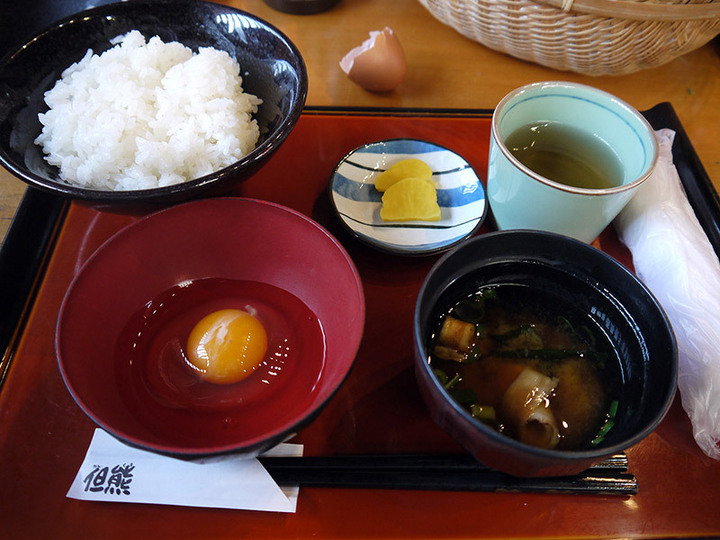
2. High-Tech Screening
Each egg is carefully inspected using automated systems. Sensors detect even microscopic cracks or internal abnormalities, such as blood spots.
Any egg that does not meet strict quality standards is immediately removed from the supply chain for raw consumption.
3. Disease Control at the Farm Level
Safety starts with the chickens themselves. Farms in Japan follow strict hygiene standards, and hens are regularly vaccinated to prevent bacterial infections.
Workers must follow strict sanitation procedures to avoid introducing contaminants into the environment. As a result, the likelihood of eggs being contaminated from the inside is extremely low.
4. Short Shelf Life for Raw Consumption
Egg cartons in Japan often have a shorter expiration date—typically around two weeks. Interestingly, this date indicates the deadline for safely eating eggs raw, not when they spoil.
After this period, eggs are still safe to eat but are usually cooked instead.
5. Full Traceability
Each egg or package can be traced back to its origin, including the farm and production date.
This transparency ensures accountability and maintains high safety standards, as producers face strict consequences if issues arise.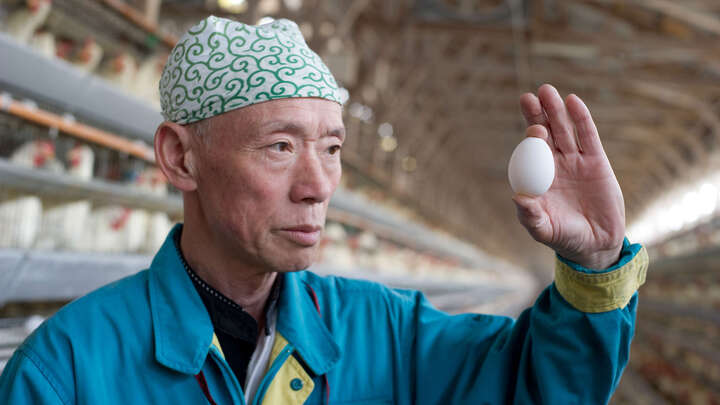
Not Just Habit — But a System Built on Precision
Eating raw eggs in Japan is not a matter of luck. It is the result of meticulous control, advanced technology, and strict regulations across the entire supply chain.
From raising healthy chickens to disinfecting eggs and enforcing strict expiration rules, every step is designed to protect consumers.
The Bottom Line
What may seem risky elsewhere is safe in Japan thanks to a highly disciplined food safety system.
The famous raw egg rice dish is more than just a culinary tradition—it reflects the country’s commitment to quality, precision, and consumer safety.