Garlic has been used for centuries as both a food and a traditional remedy. Beyond its strong flavor and distinctive aroma, garlic contains a variety of sulfur-containing compounds that researchers have studied for their potential biological effects.
One of the most discussed compounds is allicin, which forms when garlic is chopped, crushed, or chewed. Laboratory research has suggested that compounds found in garlic can interact with certain microorganisms, including some bacteria. This has led to growing interest in whether garlic might have a role in supporting urinary health.
But there is an important distinction between potential antibacterial activity in laboratory studies and actually preventing or treating an infection in the human urinary tract.
Garlic may be an interesting addition to a healthy diet, but it should not be viewed as a replacement for medical evaluation or antibiotics when a urinary tract infection is present.
So what exactly might garlic do, and where do its potential benefits end?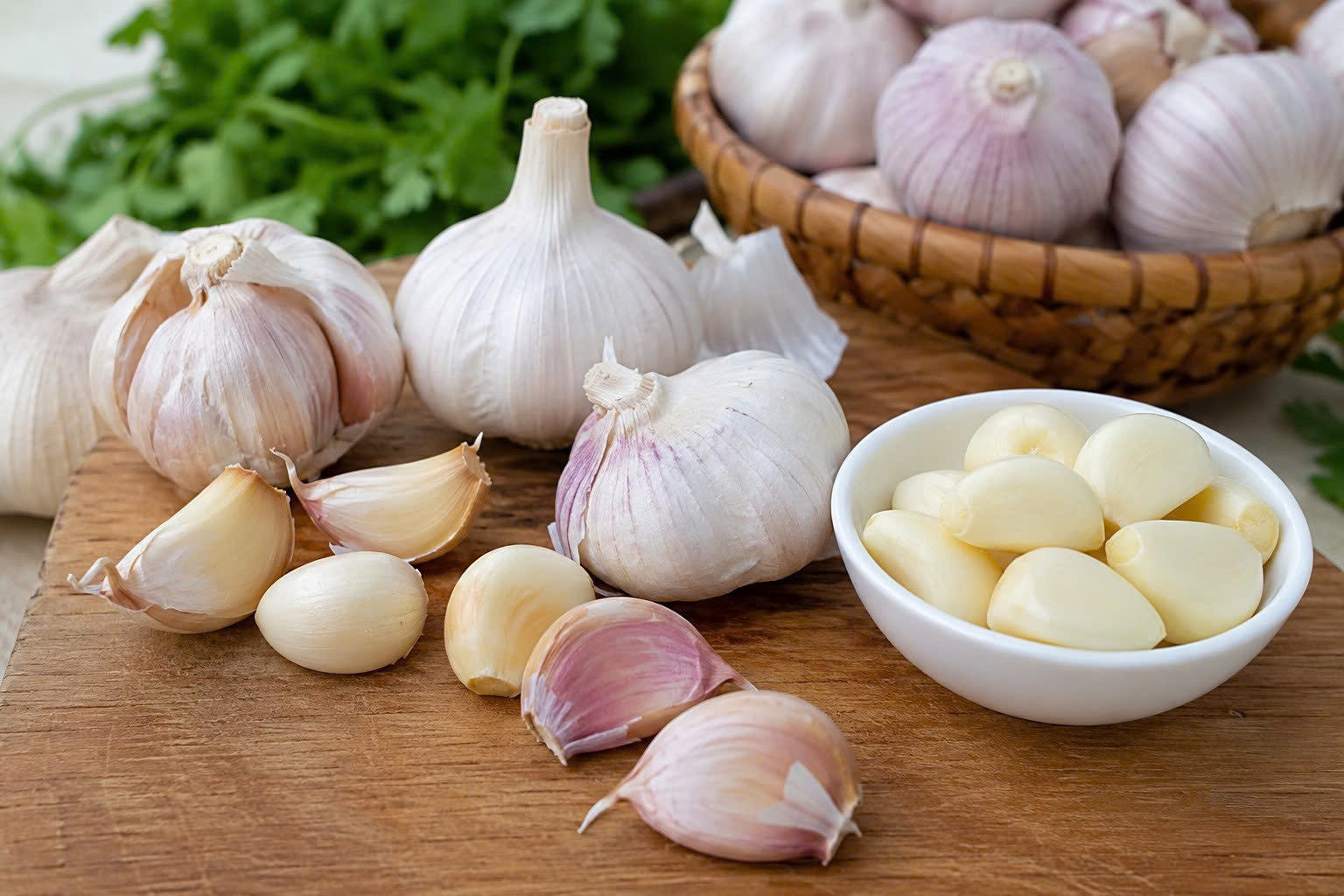
Understanding the Connection Between Garlic and Urinary Health
The urinary system includes the kidneys, ureters, bladder, and urethra. Its main responsibilities include filtering waste from the blood, producing urine, storing urine, and removing it from the body.
Urinary health can be influenced by many factors, including hydration, hygiene, age, medications, underlying medical conditions, sexual activity, and the presence of bacteria.
A urinary tract infection, commonly called a UTI, occurs when microorganisms enter and multiply in parts of the urinary tract. Symptoms can include a burning sensation during urination, frequent or urgent urination, lower abdominal discomfort, cloudy urine, or sometimes blood in the urine.
Because bacteria are often involved in UTIs, foods with naturally occurring antimicrobial compounds have attracted scientific interest.
That is where garlic enters the discussion.
Garlic’s Most Famous Compound: Allicin
Fresh garlic contains a compound called alliin. When garlic is crushed or chopped, an enzyme called alliinase helps transform alliin into allicin.
Allicin is one of the compounds responsible for garlic's characteristic smell. It has also attracted attention because laboratory research has demonstrated antimicrobial activity against a range of microorganisms.
This does not mean eating garlic will automatically eliminate bacteria from the urinary tract.
The human body is much more complicated than a laboratory environment. A compound may inhibit bacteria in a test tube without reaching the same concentration or producing the same effect inside the body.
Still, the properties of allicin help explain why garlic continues to be studied in the context of infection and general health.
Garlic May Have Antibacterial Properties
One of the main reasons garlic is associated with urinary wellness is its potential antibacterial activity.
Some laboratory studies have found that garlic-derived compounds can interfere with certain bacterial processes. Researchers have examined garlic against different bacterial species, including bacteria that can be associated with infections.
These findings are scientifically interesting, but they should be interpreted carefully.
A laboratory effect is not the same thing as a proven treatment.
For example, crushing garlic and eating it does not mean that the resulting compounds will directly reach the bladder and destroy the bacteria responsible for a UTI.
Digestion, absorption, metabolism, and elimination all affect what happens to compounds after food is consumed.
That is why garlic should be considered a possible supportive dietary food, rather than an established treatment for urinary infections.
Could Garlic Help Support a Healthy Urinary Environment?
A healthy diet can contribute to overall wellness, and garlic can certainly be part of that diet.
Garlic provides plant compounds that have been investigated for antioxidant and antimicrobial effects. It also contains small amounts of several vitamins and minerals and can add flavor to meals without requiring large amounts of salt.
This can indirectly support healthier eating patterns.
For example, someone who regularly uses garlic, herbs, vegetables, beans, whole grains, and other nutrient-dense ingredients may find it easier to prepare balanced meals while reducing reliance on highly processed foods.
However, there is no established rule saying that a certain amount of garlic will keep the urinary tract free from infection.
Urinary health depends on much more than one food.
Garlic and the Gut-Urinary Connection
Another interesting area of research involves the relationship between the gut, the immune system, and overall health.
The human microbiome consists of large communities of microorganisms living in and on the body. The gut microbiome in particular plays an important role in digestion and interacts with the immune system.
Garlic contains compounds that can influence microorganisms, which has prompted researchers to investigate how garlic may interact with the gut microbiome.
But this area is still complex.
It would be premature to conclude that eating garlic directly prevents urinary infections through changes in the gut microbiome. Researchers are still working to understand the many connections between diet, microorganisms, immunity, and disease.
What can reasonably be said is that garlic is one component of a diverse plant-based diet, and diets rich in a variety of whole foods are generally associated with better overall nutritional quality.
Garlic Does Not Replace UTI Treatment
This is perhaps the most important point.
If someone develops symptoms that could indicate a urinary tract infection, relying exclusively on garlic or another home remedy can delay appropriate treatment.
A bacterial UTI can sometimes spread beyond the bladder and reach the kidneys. In more serious cases, infection can enter the bloodstream and become a medical emergency.
Therefore, symptoms such as fever, chills, pain in the back or side, vomiting, significant weakness, or confusion deserve prompt medical attention, particularly when accompanied by urinary symptoms.
Even a relatively mild bladder infection may require professional evaluation.
Garlic can be part of a normal diet, but it should not be treated as a substitute for antibiotics when antibiotics are medically indicated.
What About Garlic Supplements?
Some people assume that a concentrated garlic supplement must be more effective than eating fresh garlic.
Not necessarily.
Garlic supplements vary widely in composition and formulation. Different products may contain different amounts of active compounds, and processing can change the chemical profile of garlic.
Some supplements are designed to preserve particular compounds, while others use aged garlic preparations or other forms.
This makes it difficult to generalize about their effects.
There is also an important safety consideration: supplements are not automatically harmless simply because they come from a plant.
Concentrated garlic products may interact with certain medications, particularly medications that affect blood clotting. People preparing for surgery or taking regular medications should discuss supplements with a healthcare professional before using them routinely.
Fresh Garlic Versus Cooked Garlic
How garlic is prepared can influence its chemistry.
Crushing or chopping garlic activates the enzymatic process that produces allicin. Cooking can then alter or reduce some of the compounds produced during that process.