This does not mean raw garlic is always better.
Raw garlic can be difficult for some people to tolerate and may cause stomach irritation, heartburn, nausea, or digestive discomfort.
For everyday nutrition, the most practical approach is usually to include garlic in meals in a way that agrees with your body.
You do not need to consume large quantities of raw garlic simply because it contains more of certain compounds.
Could Garlic Prevent a UTI?
This is where it is important not to make the evidence sound stronger than it is.
There is not enough evidence to say that eating garlic reliably prevents urinary tract infections.
UTIs can have multiple risk factors, and prevention strategies depend on the individual.
Some people experience repeated infections because of factors such as anatomical differences, urinary retention, certain medical conditions, hormonal changes, or other circumstances.
For people prone to recurrent UTIs, a healthcare professional may recommend specific prevention strategies based on their history.
Garlic can be included as part of a balanced diet, but it should not be treated as a proven UTI-prevention strategy.
Hydration Still Matters
When talking about urinary wellness, hydration deserves far more attention than any single ingredient.
Drinking an appropriate amount of fluid helps support normal urine production and regular urination. For many people, water is the simplest choice.
However, hydration needs vary.
People with certain heart, kidney, or liver conditions may be given individualized fluid recommendations. Drinking excessive amounts of water is not automatically healthier and can be dangerous in some circumstances.
The goal is not to force enormous quantities of fluid into the body.
Instead, maintaining appropriate hydration throughout the day is generally more practical.
Garlic and hydration can coexist in a healthy routine, but they serve very different roles.
Other Habits That Support Urinary Wellness
A healthy urinary system is supported by an overall lifestyle rather than one “superfood.”
Regular hydration is important. So is avoiding unnecessarily holding urine for very long periods.
Good personal hygiene can also be helpful, particularly for people who are prone to recurrent urinary problems.
Managing conditions such as diabetes is another important factor because elevated blood glucose can affect infection risk and overall health.
Sexual health can also play a role in recurrent UTIs for some people. Anyone experiencing frequent infections should discuss patterns and possible contributing factors with a healthcare professional rather than relying on dietary remedies alone.
Who Should Be Especially Careful?
Garlic is generally used as a food by many people without serious problems, but that does not mean everyone should consume large amounts.
People who experience acid reflux, stomach irritation, or digestive sensitivity may find that raw garlic makes symptoms worse.
Those taking medications that affect blood clotting should be cautious with concentrated garlic supplements because garlic may influence platelet activity and bleeding risk.
People with upcoming surgery should also tell their healthcare team about garlic supplements or other herbal products they use regularly.
And anyone who believes they may have a urinary infection should prioritize medical evaluation over experimenting with large amounts of garlic.
The Difference Between Supporting Health and Treating Disease
This distinction is easy to overlook.
A food can contain biologically active compounds without being a medication.
Garlic is a good example.
Its natural compounds are scientifically interesting. Some show antimicrobial activity in laboratory settings. Garlic is also a nutritious ingredient that can fit comfortably into many balanced diets.
But that does not mean garlic can reliably cure an infection once bacteria are multiplying inside the urinary tract.
Food supports the body. Medical treatment addresses disease when treatment is necessary.
Those two ideas can exist side by side.
When Urinary Symptoms Should Not Be Ignored
Sometimes urinary symptoms are mild and temporary, but other times they signal a problem that needs attention.
Burning during urination, persistent urinary urgency, unusual frequency, pelvic discomfort, or blood in the urine should not simply be attributed to diet.
Symptoms accompanied by fever, chills, nausea, vomiting, or pain in the back or side are particularly important because they can indicate that an infection has moved beyond the bladder.
Older adults, pregnant people, people with weakened immune systems, and individuals with certain chronic medical conditions may require especially prompt assessment when urinary symptoms develop.
The safest approach is to identify the underlying cause rather than assuming every urinary problem is a simple infection.
How to Include Garlic in a Balanced Diet
There is no need for an extreme garlic routine.
You can simply use it as an ingredient in foods you already enjoy.
Add minced garlic to roasted vegetables. Mix it into soups, sauces, or stir-fries. Combine it with olive oil and herbs for a flavorful dressing. Use it alongside beans, whole grains, vegetables, fish, or other protein sources.
This approach provides the flavor and nutritional benefits of garlic without turning it into a supposed cure-all.
And that is an important principle in nutrition: consistency and overall dietary quality generally matter much more than one ingredient consumed in isolation.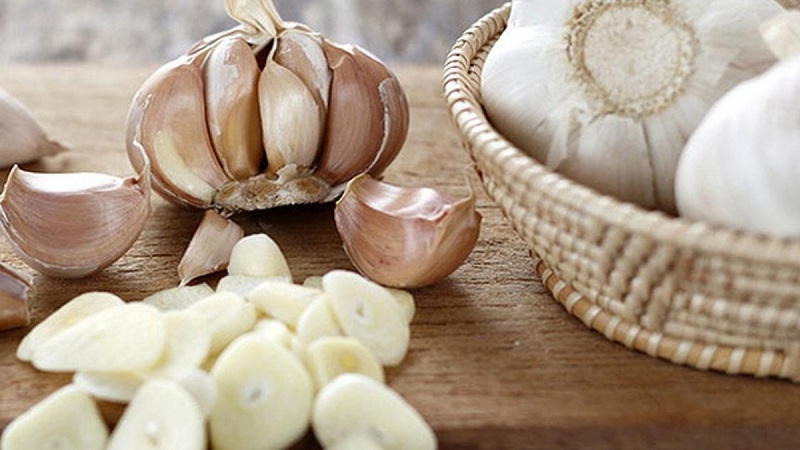
The Bottom Line
Garlic contains natural sulfur-containing compounds, including allicin, that have demonstrated antimicrobial activity in laboratory research. These properties are one reason scientists continue to study garlic and its potential health effects.
However, laboratory findings should not be confused with clinical proof.
At this point, garlic should be viewed as a potentially beneficial food within a balanced diet, not as a proven treatment for urinary tract infections or a guaranteed way to prevent them.
Supporting urinary health is usually about the bigger picture: staying appropriately hydrated, maintaining good overall health, paying attention to persistent symptoms, and seeking medical care when an infection is suspected.
Garlic may have interesting natural properties, but your urinary health deserves more than a single home remedy. The most useful role for garlic may simply be what it has always been good at: adding flavor, variety, and potentially beneficial plant compounds to an otherwise balanced diet.