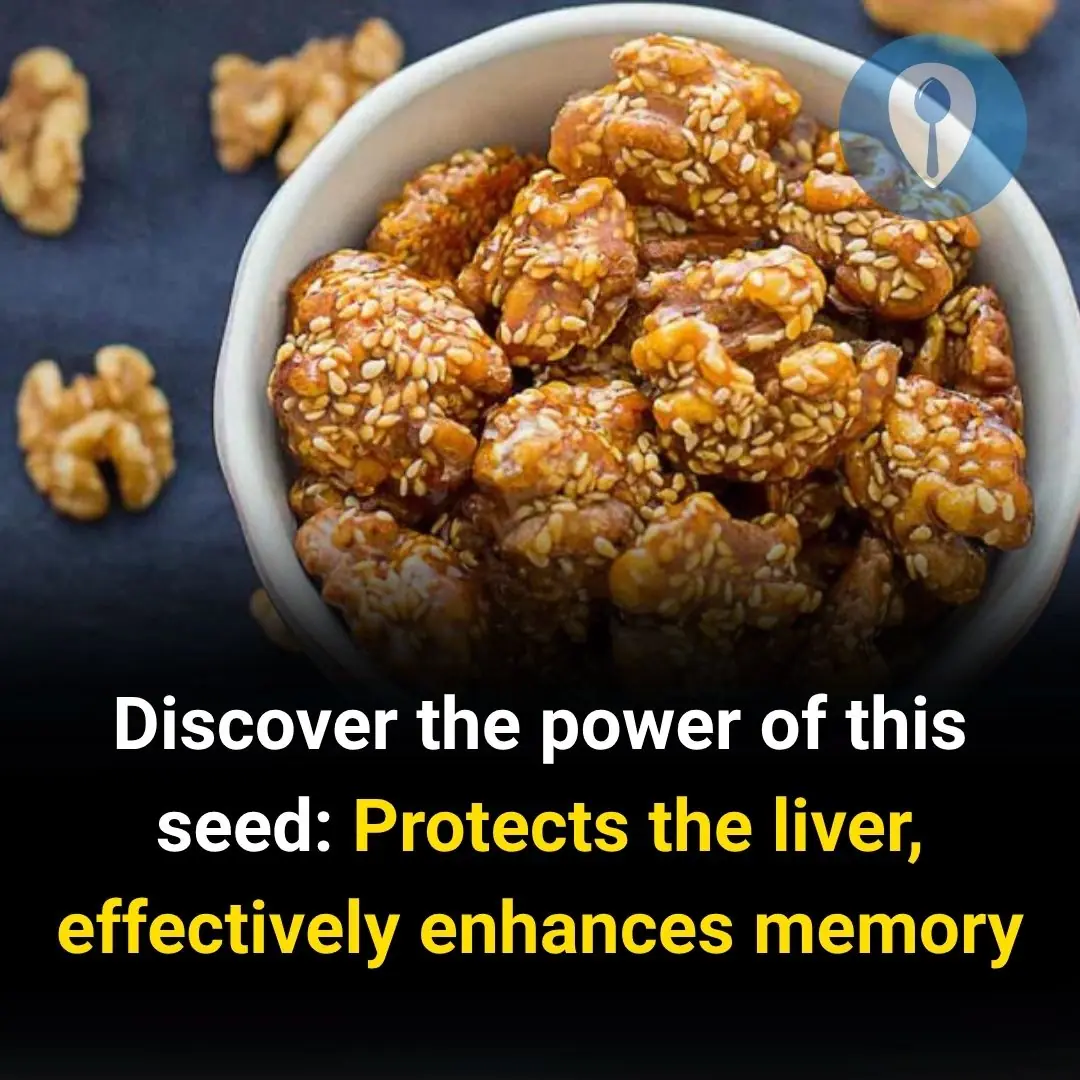
🌿 Did You Know?
-
The liver is considered the most important “chemical factory” in our body.
-
It not only helps filter blood and eliminate toxins but also plays a role in digestion and nutrient metabolism.
-
However, modern life—with unhealthy diets, chronic stress, and environmental pollution—has led many people to develop liver issues such as fatty liver, hepatitis, and even cirrhosis.
-
The good news is that certain natural foods rich in nutrients can help protect the liver and improve overall health.
-
Among these, walnuts stand out as a small nut with remarkable health benefits.
🥜 Walnuts — A Superstar in Nutrient-Rich Foods
-
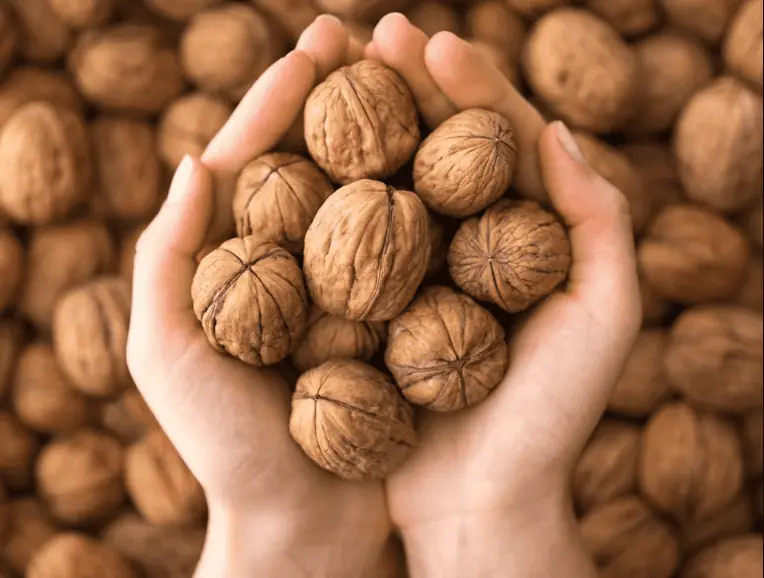
Walnuts are not only loved for their distinctive taste but also for their rich nutritional value.
-
They are a great source of omega-3 fatty acids, antioxidants, vitamin E, vitamin B6, magnesium, copper, and phosphorus.
-
The omega-3 content in walnuts is 15 times higher than that in salmon, helping reduce inflammation and protect the heart, brain, and liver.
-
Scientific studies show that walnuts have positive effects on various body systems, including the liver, brain, sleep, and heart health.
-
A 2020 study published in the American Journal of Clinical Nutrition found that regular walnut consumption lowers the risk of non-alcoholic fatty liver disease (NAFLD).
💚 Health Benefits of Walnuts for the Liver
-
Protects the liver from within:
-
Walnuts contain antioxidants like vitamin E, polyphenols, and ellagic acid that neutralize free radicals, reduce oxidative stress, and protect liver cells from damage.
-
Walnuts also help regulate blood sugar and lower the risk of fatty liver.
-
-
Improves heart health:
-
Walnuts help lower bad cholesterol (LDL) and increase good cholesterol (HDL).
-
Regular walnut consumption reduces the risk of atherosclerosis — a major cause of cardiovascular disease.
-
-
Boosts brain function:
-
Thanks to their rich omega-3 and antioxidant content, walnuts are considered a “superfood for the brain.”
-
Omega-3 supports memory, focus, and helps prevent neurodegenerative diseases like Alzheimer’s.
-
-
Supports better sleep:
-
Walnuts contain melatonin, a natural hormone that regulates sleep.
-
Eating walnuts before bed may promote deeper, more restful sleep.
-
🌰 How to Use Walnuts Effectively
-
Choose fresh walnuts without mold or rancid smell.
-
Store them in a cool, dry place or in the refrigerator to preserve freshness.
-
Consume about 3–5 walnuts per day, depending on your needs and health status.
-
Walnuts can be eaten directly or added to yogurt, salads, cereals, baked goods, or plant-based milk.
-
People with nut allergies should be cautious when consuming walnuts.
🌟 Other Nuts Beneficial for Liver Health
-
Almonds (rich in vitamin E)
-
Cashews (high in fiber and magnesium)
-
Sunflower seeds (rich in vitamin E and selenium)
Combining a variety of nuts can help you maintain a balanced, nutrient-rich diet.
🏃 Healthy Lifestyle Tips for Liver Protection
-
Limit alcohol, tobacco, and sugary or alcoholic beverages.
-
Eat plenty of fiber-rich fruits and vegetables.
-
Drink enough water daily to support liver detoxification.
-
Exercise regularly to boost metabolism.
-
Get regular health check-ups to detect liver problems early.
✅ Conclusion
-
Walnuts are not only a tasty food but also a “natural medicine” that helps protect the liver and improve overall health.
-
With their rich nutritional profile and proven scientific benefits, walnuts deserve a place in your daily diet.
-
Start including walnuts in your meals today, combined with a balanced diet and healthy lifestyle, to enjoy a stronger, more energetic body.
Remember: health is our most valuable asset!