Fruit is widely recognized as a cornerstone of a healthy diet—rich in vitamins, fiber, and antioxidants. But here’s the nuance that often gets lost online: “more” isn’t always “better.” When certain fruits are eaten in excessive amounts—especially in highly processed forms—they can contribute to metabolic stress (e.g., high sugar intake), which over time is linked to conditions that increase cancer risk.
Important context before we begin:
- Fruits themselves do not cause cancer.
- The concern is overconsumption, added sugars, and poor overall diet patterns.
- Balance, variety, and portion control are what matter.
Below are seven commonly discussed fruits and the specific situations where overconsumption may become a problem.
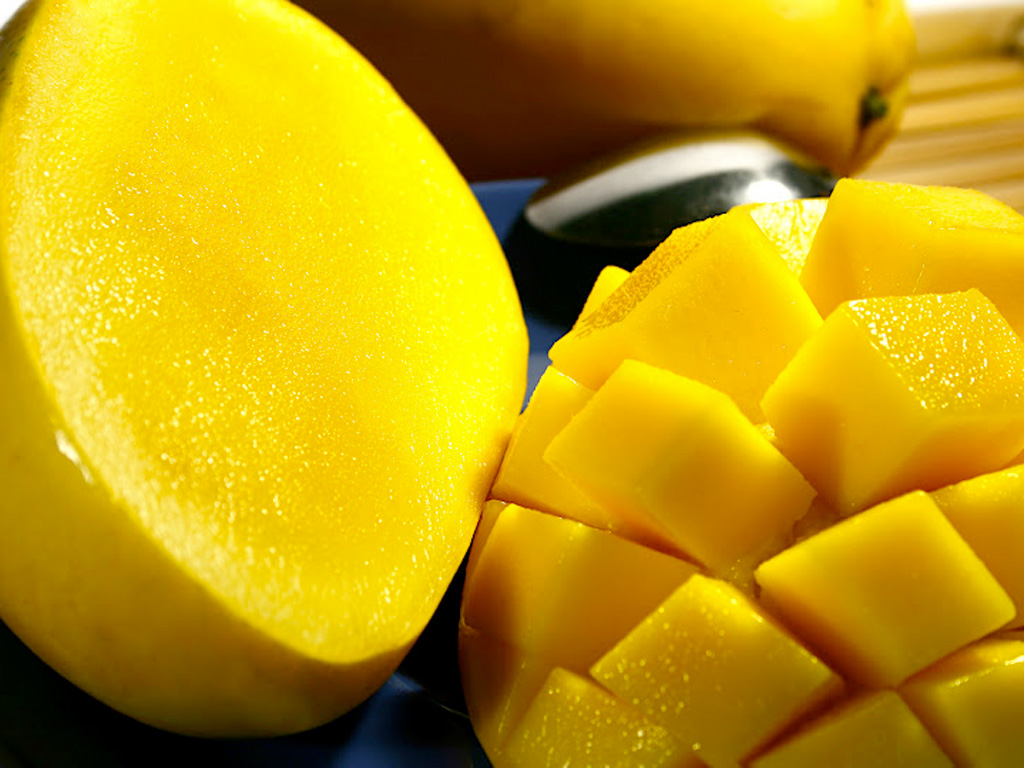
1) Mango
Why people love it
Sweet, satisfying, and nutrient-dense.
Where it can become an issue
- Naturally high in sugar
- Easy to overeat (especially in smoothies or desserts)
The takeaway
Enjoy mango, but keep portions moderate—especially if you’re managing blood sugar.
2) Grapes
The upside
Contain antioxidants like resveratrol.
The caveat
- High in natural sugars
- Often eaten mindlessly in large quantities
The takeaway
A small bowl is fine; a large, frequent intake can push total daily sugar too high.

3) Pineapple
Benefits
Rich in vitamin C and bromelain.
Watch-outs
- High glycemic impact
- Can irritate the stomach if overconsumed
The takeaway
Great in moderation; avoid large, frequent servings.
4) Bananas
Benefits
Potassium, fiber, convenient energy.
Where excess matters
- Higher in carbohydrates and sugars than many fruits
- Easy to rely on as a frequent snack
The takeaway
Perfect for energy—but balance with lower-sugar fruits across the day.
5) Dried Fruits (Dates, Raisins, etc.)
The hidden risk
- Water removed → sugar becomes highly concentrated
- Very easy to overeat
Why it matters
Large amounts can spike total sugar intake quickly.
The takeaway
Treat dried fruits like a small add-on, not a main snack.
6) Fruit Juices (Even “Natural” Ones)
The problem
- Fiber is removed
- Sugar is absorbed faster
Result
- Rapid blood sugar spikes
- Higher total intake compared to whole fruit
The takeaway
Whole fruit > juice. If drinking juice, keep portions small.
7) Canned Fruits in Syrup
What’s added
- Extra sugars and preservatives
Why it’s a concern
- Significantly higher sugar load than fresh fruit
- Easy to exceed healthy limits
The takeaway
Choose fresh or fruit canned in water/own juice instead of syrup.
Why Excess Sugar Matters (The Real Link)
The concern around “cancer risk” isn’t about fruit directly - it’s about chronic overconsumption of sugars leading to:
- Obesity
- Insulin resistance
- Inflammation
These conditions are associated with a higher risk of several chronic diseases, including some cancers.

What Healthy Fruit Intake Actually Looks Like
- 2–3 servings per day (variety matters)
- Favor whole fruits over juices
- Mix high- and lower-sugar options
- Pair fruit with protein or fiber (e.g., yogurt, nuts)
Common Misconception (Let’s Clear This Up)
👉 “Fruit causes cancer” → False
👉 “Too much sugar over time can harm metabolic health” → True
That distinction matters.
Final Take
Fruits are not the enemy - they’re essential. But like anything in nutrition, context and quantity determine impact.
- Eat a variety
- Avoid extremes
- Watch processed forms
- Keep portions reasonable
Because long-term health isn’t built on cutting out good foods - it’s built on balance, consistency, and smart choices.