Sunflower seeds are one of those snacks that feel harmless - small, crunchy, and easy to eat by the handful. But like many “simple” foods, there’s more going on beneath the surface. They can be nutrient-rich and beneficial, yet also problematic when consumed incorrectly or excessively.
Before making them a daily habit, here are 11 important facts worth knowing.

1. They’re High in Healthy Fats. -But Also High in Calories
Sunflower seeds are rich in unsaturated fats, which are good for heart health.
However:
- Just a small handful contains a lot of calories
- Easy to overeat without realizing
👉 Bottom line: Healthy ≠ unlimited. Portion control matters.
2. They Contain Vitamin E (Great for Skin and Immunity)
Sunflower seeds are an excellent source of vitamin E, an antioxidant that helps:
- Protect cells from damage
- Support skin health
- Boost immune function
This is one of their biggest benefits.
3. Salted Versions Can Be a Problem
Many packaged sunflower seeds are heavily salted.
Risks:
- High sodium intake
- Increased blood pressure over time
👉 Tip: Choose unsalted or lightly salted options whenever possible.
4. Eating Too Many Can Cause Digestive Issues
Because they are high in fat and fiber:
- Overeating may lead to bloating
- Can cause stomach discomfort
- May slow digestion
Moderation keeps things balanced.
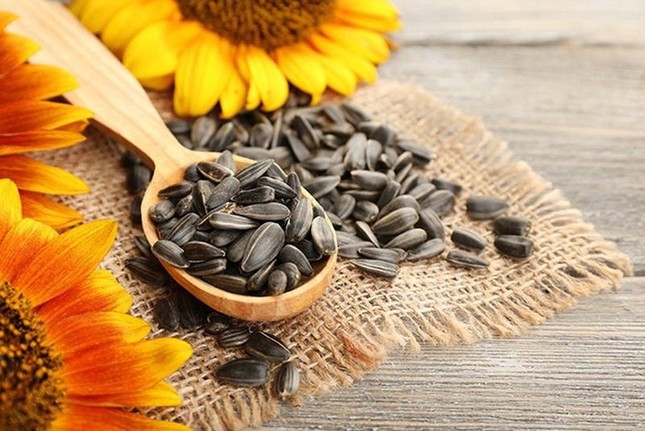
5. The Shells Are Not Meant to Be Eaten
This is a surprisingly common mistake.
Why it’s harmful:
- Shells are hard to digest
- Can irritate the digestive tract
- In large amounts, may cause blockage
👉 Always spit out the shells.
6. They May Contain Trace Contaminants
Like many seeds, sunflower seeds can absorb substances from soil.
Possible concerns:
- Trace heavy metals (e.g., cadmium) in very large amounts over time
👉 Not dangerous in normal portions, but another reason to avoid excessive consumption.
7. They Can Affect Dental Health
Cracking shells with your teeth repeatedly can:
- Wear down enamel
- Increase risk of small cracks or damage
👉 Better to open them carefully or buy pre-shelled seeds.
8. They Support Heart Health—If Used Wisely
Thanks to healthy fats, magnesium, and antioxidants, sunflower seeds can:
- Help regulate cholesterol
- Support cardiovascular function
But again, benefits depend on portion size and preparation.
9. They’re Easy to Overeat Mindlessly
Because they’re small and repetitive to eat:
- People often consume large amounts without noticing
- Especially while watching TV or working
👉 This can quietly increase calorie intake.
10. They Can Trigger Allergies (In Some People)
Though not as common as peanut allergies, sunflower seed allergies do exist.
Signs:
- Itching
- Swelling
- Digestive discomfort
👉 If symptoms appear, stop consuming and consult a professional.
11. Preparation Matters More Than You Think
How sunflower seeds are processed changes their impact:
- Roasted + salted → less healthy
- Raw or dry-roasted, unsalted → better option
👉 The simpler the preparation, the better for your body.

Final Take
Sunflower seeds aren’t “bad” - but they’re not as innocent as they seem either.
- They offer real nutritional benefits
- But come with hidden risks if overused or consumed carelessly
The key is balance:
- Eat in moderation
- Choose better versions (unsalted, properly prepared)
- Be mindful of how and how much you consume
Because even healthy foods can become harmful when convenience turns into habit.