
Kidney Health at Risk: Foods You Should Consume with Caution
Some foods may strain your kidneys—learn how to protect them daily.
Health 28/04/2026 00:07
In recent years, alarming claims have circulated online suggesting that certain fruits can “cause disease” or even “feed cancer cells.” These headlines often spread quickly, creating fear and confusion about everyday foods. However, when examined closely, most of these claims lack solid scientific evidence. In reality, fruits are widely recognized as an essential part of a healthy diet, offering vitamins, fiber, and antioxidants that support overall well-being.


 5
5
The idea that some fruits directly cause cancer or make cancer cells grow faster is largely a misunderstanding of how the body works. It is true that all cells—including cancer cells—use nutrients like glucose (a form of sugar found in fruits) for energy. However, this does not mean that eating fruit causes cancer. According to health experts, the relationship between sugar and cancer has often been oversimplified and misinterpreted.
In fact, many fruits contain compounds that may help protect the body. Berries, for example, are rich in antioxidants that can reduce inflammation and support cellular health. Research suggests that certain fruits may even have protective effects against disease, rather than harmful ones.


Some viral articles also promote the idea of a “blacklist” of fruits that should be avoided at all costs. However, these lists are often based on misinformation or taken out of context. Nutrition science consistently shows that no single fruit can directly cause or cure complex diseases like cancer. Experts emphasize that cancer development is influenced by many factors, including genetics, lifestyle, and environmental exposure—not just one type of food.
It is also important to be cautious of extreme claims. In the past, various diets and foods have been promoted as miracle cures or dangerous substances without scientific backing. For example, some alternative treatments claiming to “starve cancer cells” have been proven ineffective or misleading. Such claims highlight the importance of relying on credible medical advice rather than viral trends.


 5
5
Rather than fearing specific fruits, experts recommend focusing on a balanced diet. Eating a variety of fruits and vegetables provides essential nutrients that support immune function, digestion, and long-term health. Moderation is key—while excessive consumption of any food is not ideal, normal fruit intake is generally beneficial.
In conclusion, the claim that certain fruits belong to a “black book” of cancer-causing foods is not supported by scientific evidence. Fruits remain a valuable part of a healthy lifestyle, offering protective nutrients rather than harmful effects. Instead of avoiding them out of fear, individuals should aim for balance, variety, and reliable information when making dietary choices. Understanding the difference between myths and facts is essential for maintaining both health and peace of mind.
Some foods may strain your kidneys—learn how to protect them daily.
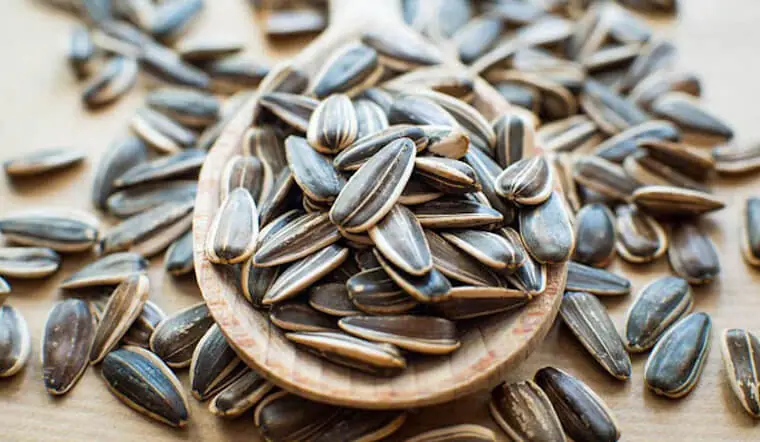
Before you eat sunflower seeds, make sure you know these 11 facts

Why Doctors Recommend Eating Boiled Eggs for Breakfast
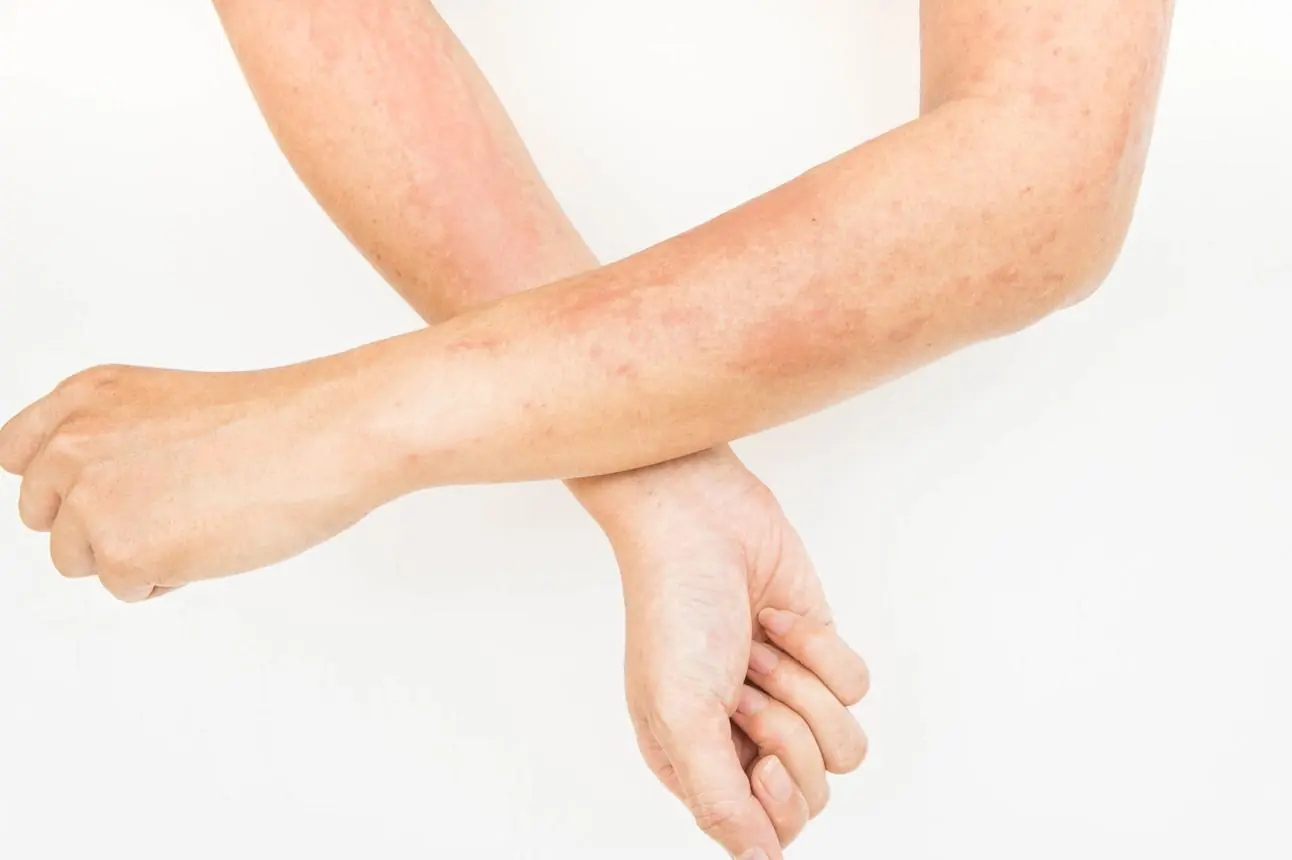
Skin reactions and breathing issues may signal serious conditions.

Indoor air matters more than you think—learn what to avoid at home.

You Might Be Doing This Without Realizing the Risk

Stop Doing This at Night—Your Kidneys Will Thank You
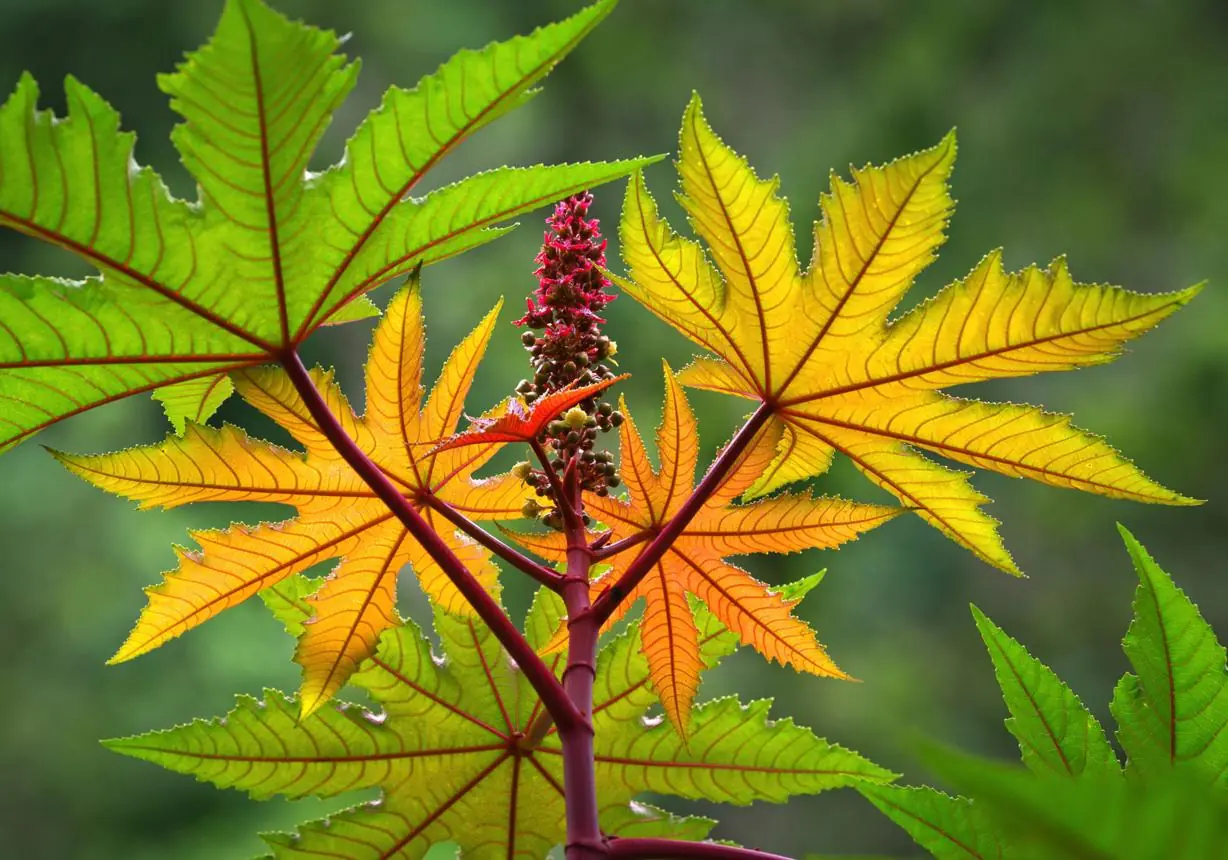
Castor leaves offer natural support for wellness and simple remedies.
“After One Year, His Test Results Raised Questions

A humble vegetable may hold surprising benefits for longevity.

Recognize early kidney warning signs to protect your long-term health.

Why Everyone Is Talking About Edamame

Times when washing your hair can be harmful for women
Spot it early, treat it better: 5 key warning signs of lung can.cer

6 lesser-known breakfast ideas that are good for your kidneys

You use these every day — but they could be harming your lungs
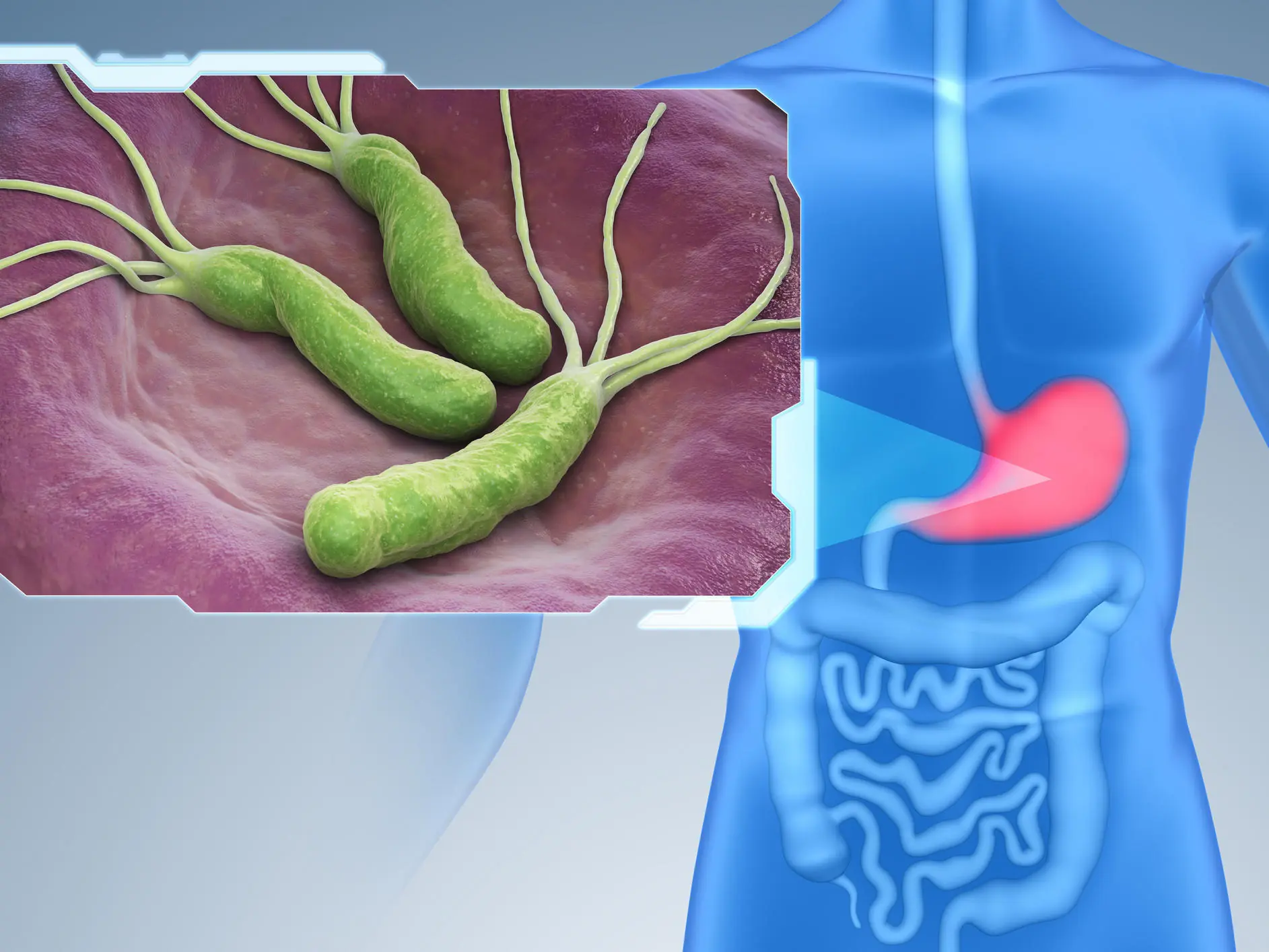
Half the world may carry this bacteria — are you one of them?
Waking Up to Pee at Night? Here Are 6 Possible Reasons

If You Often Wake Up at 3 or 4 a.m., Your Body Might Be Trying to Tell You Something

A math challenge that tricks your mind

How to get rid of clothing stains with easy and proven home solutions
Some foods may strain your kidneys—learn how to protect them daily.
Before you eat sunflower seeds, make sure you know these 11 facts
Why Doctors Recommend Eating Boiled Eggs for Breakfast
Skin reactions and breathing issues may signal serious conditions.
Indoor air matters more than you think—learn what to avoid at home.
You Might Be Doing This Without Realizing the Risk
Stop Doing This at Night—Your Kidneys Will Thank You
Castor leaves offer natural support for wellness and simple remedies.
“After One Year, His Test Results Raised Questions
A humble vegetable may hold surprising benefits for longevity.
Recognize early kidney warning signs to protect your long-term health.
Why Everyone Is Talking About Edamame
Small but Powerful—This Spice Is Highly Prized
Times when washing your hair can be harmful for women
Spot it early, treat it better: 5 key warning signs of lung can.cer
6 lesser-known breakfast ideas that are good for your kidneys

Practical ways to save money while using a gas stove