11 Facts About Cassava: What You Should Know Before Eating It
Cassava, also known as tapioca root or yuca, is a staple food for millions of people around the world, especially in Africa, Asia, and South America. It is rich in carbohydrates and is used to make flour, starch, and many traditional dishes.
However, cassava is also surrounded by health concerns, mainly due to how it is prepared. Here are 11 important facts you should know.

1. Cassava is a major source of carbohydrates
Cassava is very energy-dense and provides a large amount of carbohydrates, making it an important staple food in many developing countries.
2. It contains natural toxic compounds
Raw cassava contains compounds called cyanogenic glycosides, which can release cyanide if not properly processed.
3. Proper cooking makes cassava safe
Boiling, soaking, fermenting, or drying cassava significantly reduces its toxic compounds, making it safe to eat.
4. Sweet vs. bitter cassava
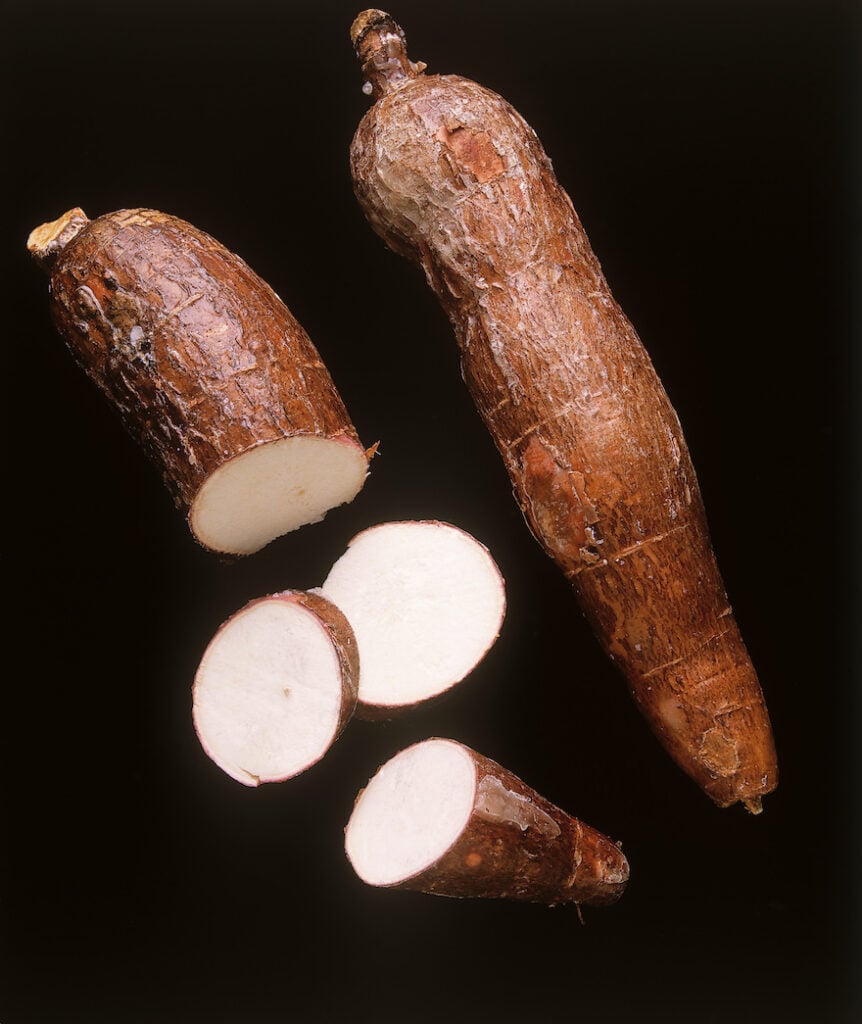
There are two main types: sweet cassava (lower toxin levels) and bitter cassava (higher toxin levels, requires careful processing).
5. Improper preparation can be dangerous
Eating raw or poorly processed cassava can lead to cyanide poisoning, which can be serious or even fatal in extreme cases.
6. Cassava is naturally gluten-free
Cassava flour is a popular gluten-free alternative for people with celiac disease or gluten intolerance.
7. It is low in protein
Although rich in carbs, cassava contains very little protein, so it should be paired with other nutrient-rich foods.
8. It provides energy but few vitamins
Cassava supplies energy but is not rich in vitamins or minerals compared to other vegetables.
9. It supports food security
Because it grows well in poor soil and drought conditions, cassava is an important crop for global food security.
10. It can be part of a healthy diet
:max_bytes(150000):strip_icc()/GettyImages-1157268325-2000-c92586e6eb2f48f982e47206987fd67b.jpg)
When properly prepared and eaten in moderation, cassava is safe and can be part of a balanced diet.
11. Doctors warn about improper processing, not cassava itself
Health risks are mainly linked to incorrect preparation, not cassava itself. Proper cooking eliminates most dangers.
Conclusion
Cassava is a valuable and widely consumed food, but it must be handled correctly. The key message from health experts is simple: cassava is safe when properly prepared, but dangerous when eaten raw or under-processed.