Millions of people eat it every day. It is used to make flour, chips, bread, and even desserts. However, what many people don’t realize is that this common food can become dangerous if it is not prepared correctly.
The food in question is cassava, a root vegetable widely consumed in Africa, Asia, and Latin America. While it is an important source of carbohydrates and energy for millions of people, improper preparation can expose consumers to toxic compounds. Understanding how cassava works and how to prepare it safely is essential for anyone who cooks or consumes this popular root.
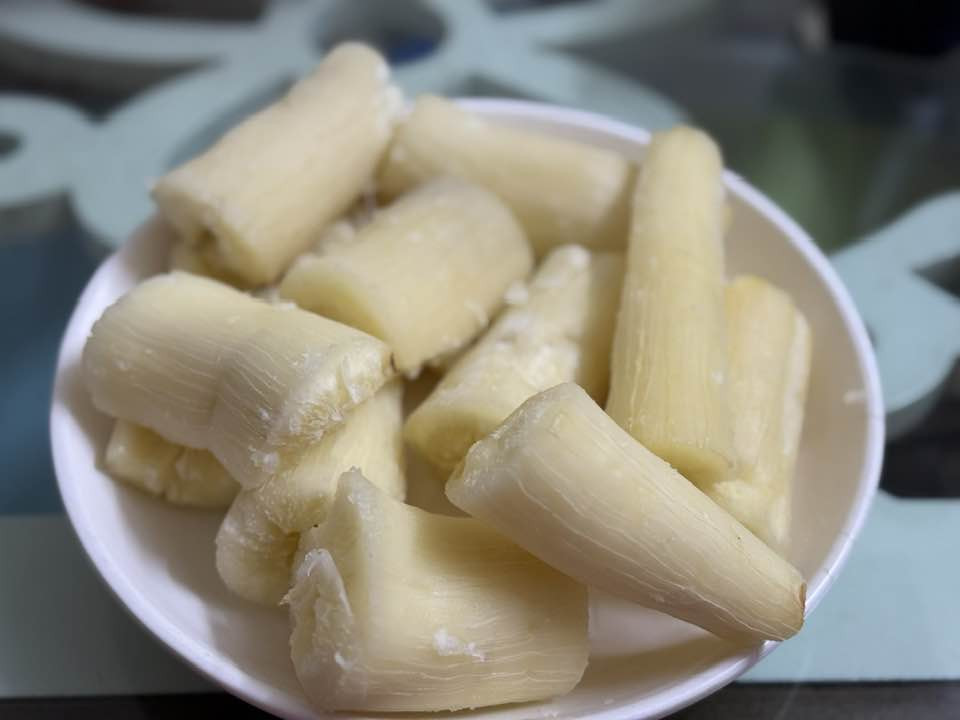
What Is Cassava?
Cassava is a starchy root vegetable native to South America but now cultivated throughout tropical regions of the world. It is also known as yuca, manioc, or tapioca root.
Cassava has become one of the most important staple foods globally because it is:
-
Highly adaptable to harsh climates
-
Rich in carbohydrates
-
Easy to grow in poor soils
-
A major food security crop in developing countries
In fact, cassava is considered one of the world’s primary sources of dietary energy for hundreds of millions of people.
But despite its popularity, cassava hides a surprising secret.
Why Cassava Can Be Toxic
Cassava naturally contains chemical compounds called cyanogenic glycosides, including linamarin and lotaustralin. When the plant tissue is damaged or digested, these compounds can release hydrogen cyanide, a highly toxic substance.
Hydrogen cyanide interferes with the body’s ability to use oxygen at the cellular level. In severe cases, exposure can lead to poisoning, organ damage, or even death.
Fortunately, the cyanide content can be drastically reduced through proper preparation.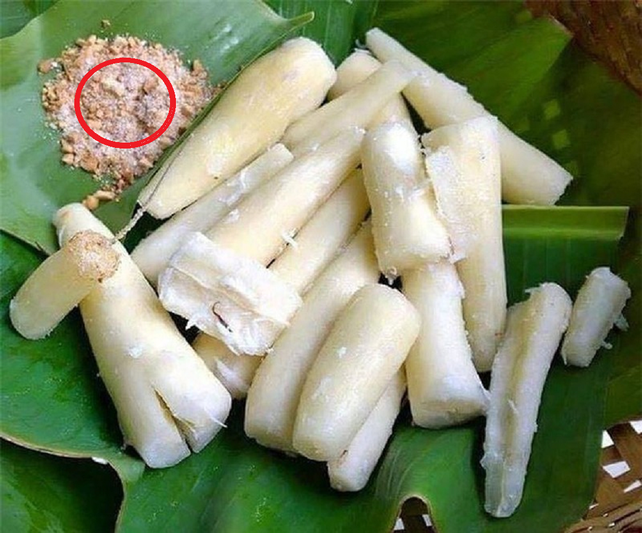
Symptoms of Cassava Poisoning
Eating raw or poorly processed cassava can lead to symptoms of cyanide poisoning. These may include:
-
Nausea and vomiting
-
Headaches and dizziness
-
Stomach pain
-
Weakness and fatigue
-
Difficulty breathing
-
Confusion or neurological problems
Long-term exposure to cyanide from improperly prepared cassava has also been linked to conditions such as konzo, a neurological disorder that causes irreversible paralysis of the legs.
While such cases are rare, they highlight the importance of correct food preparation.
Sweet vs. Bitter Cassava
Not all cassava varieties contain the same level of toxins. There are two main types:
Sweet Cassava
-
Lower cyanide content
-
Typically safer and easier to cook
-
Commonly sold in international markets
Bitter Cassava
-
Much higher levels of cyanogenic compounds
-
Requires extensive processing such as fermentation or drying
Even sweet cassava, however, should never be eaten raw.
How to Prepare Cassava Safely
Traditional cooking methods were developed specifically to remove the plant’s toxic compounds. Experts recommend several key steps:
1. Peel the Root Completely
Most toxins are concentrated in the peel and outer layers.
2. Cut into Small Pieces
This increases the surface area and helps release harmful compounds.
3. Soak the Pieces in Water
Soaking helps leach out cyanogenic substances.
4. Cook Thoroughly
Boiling, baking, or frying cassava until soft helps destroy remaining toxins.
5. Discard the Cooking Water
Never reuse the water used to cook cassava.
These steps dramatically reduce the risk and make cassava safe to eat.
Nutritional Benefits of Cassava
Despite the potential risks, cassava is also a valuable food when prepared correctly. It offers several nutritional advantages:
-
Rich source of carbohydrates for energy
-
Naturally gluten-free
-
Contains vitamin C and small amounts of B vitamins
-
Provides potassium and other minerals
Because of these qualities, cassava is widely used in products such as:
-
Tapioca pearls
-
Cassava flour
-
Gluten-free baked goods
-
Traditional dishes in many cultures
A Staple Food That Requires Knowledge
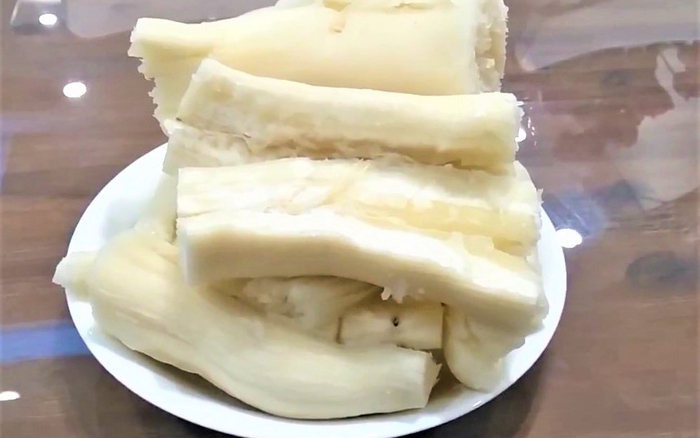
Cassava is a perfect example of how traditional knowledge plays an important role in food safety. Communities that rely on cassava have developed preparation techniques over generations to make the root safe and nutritious.
However, as cassava becomes more popular worldwide—especially in gluten-free diets—it is essential for new consumers to understand that it must always be properly prepared before eating.
Final Thoughts
Cassava remains one of the world’s most important staple foods, feeding millions of people every day. Yet its natural cyanide content means it should never be eaten raw or improperly processed.
With proper preparation—peeling, soaking, and thorough cooking—cassava becomes a safe, versatile, and nutritious ingredient enjoyed across many cultures.
As global interest in alternative flours and traditional foods continues to grow, understanding the science and safety behind cassava is more important than ever.