Their most reliable role is as a nutrient-rich whole food that contributes unsaturated fats, fibre, minerals and plant compounds to the diet.
Chapter 4: Can Walnuts Really Boost Brain Function?
The image of a walnut resembles the human brain so closely that it has inspired a familiar belief: foods that look like an organ must be good for that organ.
That idea is sometimes called the doctrine of signatures, but appearance is not scientific evidence. A walnut's brain-like shape does not prove that it improves memory or intelligence.
The more relevant question is whether its nutrients and plant compounds have measurable effects on the brain.
There are plausible reasons to investigate this. The brain is rich in fat, depends on a continuous supply of oxygen and nutrients, and is affected by blood vessel health, inflammation, metabolic conditions and ageing. Walnuts contain ALA, polyphenols and other nutrients that researchers have studied in relation to these processes.
But a plausible biological explanation is not the same as proof of a clinical benefit.
Omega-3 fats and the brain
The brain contains large amounts of fat, and certain fatty acids are important components of its cell membranes.
DHA, a long-chain omega-3 fatty acid, is particularly abundant in the brain and retina. ALA from walnuts can be converted into EPA and DHA, but the conversion rate is limited. This means walnuts provide a useful plant-based omega-3 source, but they should not be described as supplying the same amount of DHA as oily fish.
ALA is still valuable. It is an essential fatty acid, and obtaining enough through food is part of a balanced diet.
For people who eat little or no fish, walnuts, flaxseed, chia seeds and other plant sources can contribute to omega-3 intake. Depending on individual dietary needs, a healthcare professional or dietitian can help assess whether additional sources are appropriate.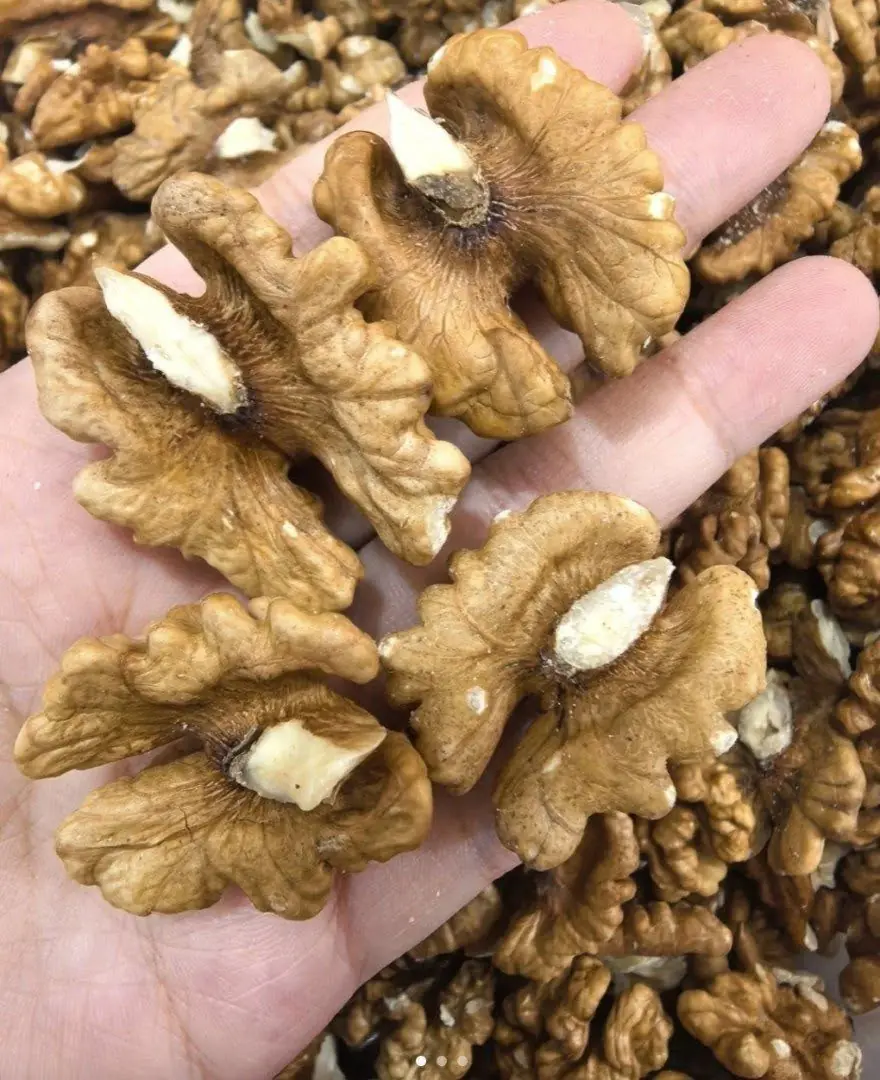
The connection between circulation and cognitive health
The brain needs a reliable supply of oxygen and nutrients delivered through blood vessels. Conditions that affect cardiovascular health can also influence brain health over time.
This helps explain why researchers study foods that may improve cholesterol profiles or support healthy blood vessels. A dietary pattern that supports cardiovascular health may also contribute to the conditions needed for healthy brain function.
However, the relationship is complex. Better cholesterol measurements do not automatically prove that a food improves memory, prevents dementia or slows cognitive decline.
To establish such effects, researchers need studies that measure cognitive performance over time and compare groups carefully.
What the Walnuts and Healthy Aging study found
One important trial is known as the Walnuts and Healthy Aging study, or WAHA.
Researchers enrolled 708 cognitively healthy adults aged 63 to 79. Participants were assigned to a walnut-enriched diet or a control diet for two years. The walnut group consumed approximately 30 to 60 grams of walnuts per day, providing around 15 percent of daily energy intake. Cognitive tests were conducted at the beginning and end of the study.
PubMed
The results were not as simple as a headline claiming that walnuts prevent memory loss.
In the main analysis, the researchers did not find a significant difference in the overall cognitive score between the walnut group and the control group. Some additional analyses suggested possible differences in certain subgroups, but those findings were not enough to establish a general protective effect.
The study was valuable because it was a randomized trial lasting two years, but its overall result means that claims about walnuts preventing cognitive decline should be made cautiously.
A separate systematic review of walnut intake and cognitive outcomes also found that the available trials did not establish a clear improvement in overall cognition. Some studies reported changes in particular cognitive areas or subgroups, while observational research suggested associations between walnut consumption and certain cognitive outcomes. The authors concluded that stronger, more consistent research is needed.
PubMed+1
Why the brain-health question remains open
There are several reasons why research into food and cognition is difficult.
First, cognitive function is not one single ability. It includes memory, attention, language, reasoning, processing speed and executive function. A food might be associated with one measure but not another.
Second, changes may take many years to develop. A study lasting a few weeks or months may be too short to detect an effect on long-term cognitive decline.
Third, people who regularly eat walnuts may also have other healthy habits. They may exercise more, eat more vegetables, smoke less or have greater access to healthcare. Researchers need to separate the possible effect of walnuts from these other influences.
Finally, brain health is affected by genetics, age, sleep, education, social connection, cardiovascular health and many other factors. No single food can control all of them.
The most responsible conclusion is that walnuts provide nutrients relevant to normal brain and body function, and researchers continue to investigate their possible role in cognitive health. Current clinical evidence does not prove that eating walnuts alone prevents dementia or reliably improves memory.
Chapter 5: Fibre, Protein and the Benefits of Feeling Satisfied
The conversation about walnuts often focuses on fats and antioxidants, but two other nutritional features deserve attention: fibre and protein.
Both contribute to the overall quality of a meal or snack. They also help explain why walnuts can be more satisfying than many highly processed snack foods.
Fibre supports digestive health
Dietary fibre is the part of plant foods that the body does not fully digest. It contributes to bowel regularity and supports the gut environment.
Walnuts provide some fibre, although they should not be considered a complete solution for digestive problems. A healthy digestive pattern generally requires fibre from a variety of foods, including vegetables, fruit, beans, lentils, oats and whole grains.
Different types of fibre have different properties. Some help add bulk to stool, while others can be fermented by gut microorganisms. A varied diet supplies a broader range of fibres than relying on a single food.
People who are increasing their fibre intake should do so gradually and drink enough fluids. A sudden increase in high-fibre foods may cause bloating or discomfort in some individuals.
Plant protein contributes to a balanced snack
Walnuts also contain plant-based protein. They do not provide all the essential amino acids in the same proportions as some animal protein sources, but they can contribute to overall protein intake.
Combining walnuts with yoghurt, oats, fruit or other foods can create a snack with a useful mix of nutrients.
For example, plain yoghurt with chopped walnuts and berries provides protein from the yoghurt, unsaturated fats and fibre from the walnuts, and additional fibre and plant compounds from the fruit.