The health debate surrounding sugary drinks - especially carbonated sodas like Coca-Cola - has been ongoing for decades. Doctors, nutritionists, and public health organizations have repeatedly warned about the dangers of excessive soda consumption, pointing to its high sugar content, artificial additives, and lack of nutritional value. These beverages have long been associated with obesity, diabetes, heart disease, and metabolic disorders.
However, a recent and widely discussed study has taken this concern to a new and alarming level. According to researchers, every can or bottle of Coca-Cola you drink may shorten your life by approximately 12 minutes. This claim has sparked global discussion, prompting many people to question whether their daily soda habit could be quietly cutting years off their lifespan.
In this in-depth article, we explore the study behind this claim, explain how sugary drinks affect life expectancy, examine the hidden health costs of Coca-Cola, and identify who should avoid drinking Coke altogether.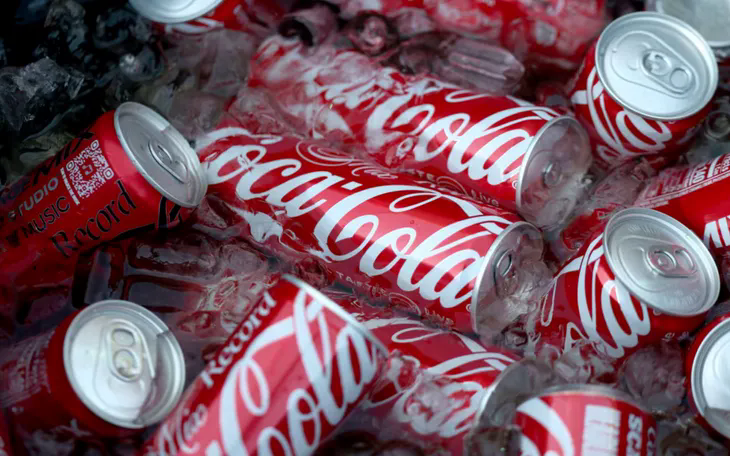
The Study That Shocked the World
The research was conducted by scientists at the University of Michigan, who developed a health impact model designed to estimate how specific foods and beverages influence lifespan. Their analysis focused on sugar intake, metabolic disease risk, and mortality data.
Key Finding:
-
Drinking one 355 ml (12 oz) can of Coca-Cola is associated with a loss of approximately 12 minutes of healthy life expectancy.
At first glance, 12 minutes may seem insignificant. But when scaled over time, the numbers become disturbing.
-
One can per day for a year = over 72 hours of life lost
-
One can per day for 10 years = more than a full month
-
Lifelong daily consumption = years lost
Given that billions of sugary drinks are consumed globally each year, the cumulative impact on public health is enormous.
How Sugary Drinks Reduce Life Expectancy
The “12 minutes” estimate is not arbitrary. It is grounded in well-established medical evidence linking sugary drinks to chronic disease and premature death.
1. Increased Risk of Chronic Diseases
Heart Disease
Sugary sodas significantly raise:
-
Blood sugar levels
-
Blood pressure
-
Systemic inflammation
Excess sugar promotes fat accumulation around vital organs, including the heart, increasing the risk of heart attacks, heart failure, and stroke.
Obesity and Type 2 Diabetes
Coca-Cola contains about 39 grams of sugar per can, mostly in the form of high-fructose corn syrup. This leads to:
-
Rapid insulin spikes
-
Insulin resistance over time
-
Increased fat storage
Type 2 diabetes dramatically shortens life expectancy due to complications such as kidney failure, nerve damage, blindness, and cardiovascular disease.
Can.cer Risk
High sugar intake has been linked to higher rates of:
-
Liver cancer
-
Pancreatic cancer
-
Colorectal cancer
Sugar promotes chronic inflammation and elevated insulin levels, which can encourage the growth of cancer cells.
2. Damage to Kidney Function
Regular soda consumption has been associated with chronic kidney disease. High-fructose corn syrup:
-
Increases uric acid levels
-
Promotes kidney inflammation
-
Accelerates kidney damage
Over time, this can lead to kidney failure - a condition that severely reduces quality of life and lifespan.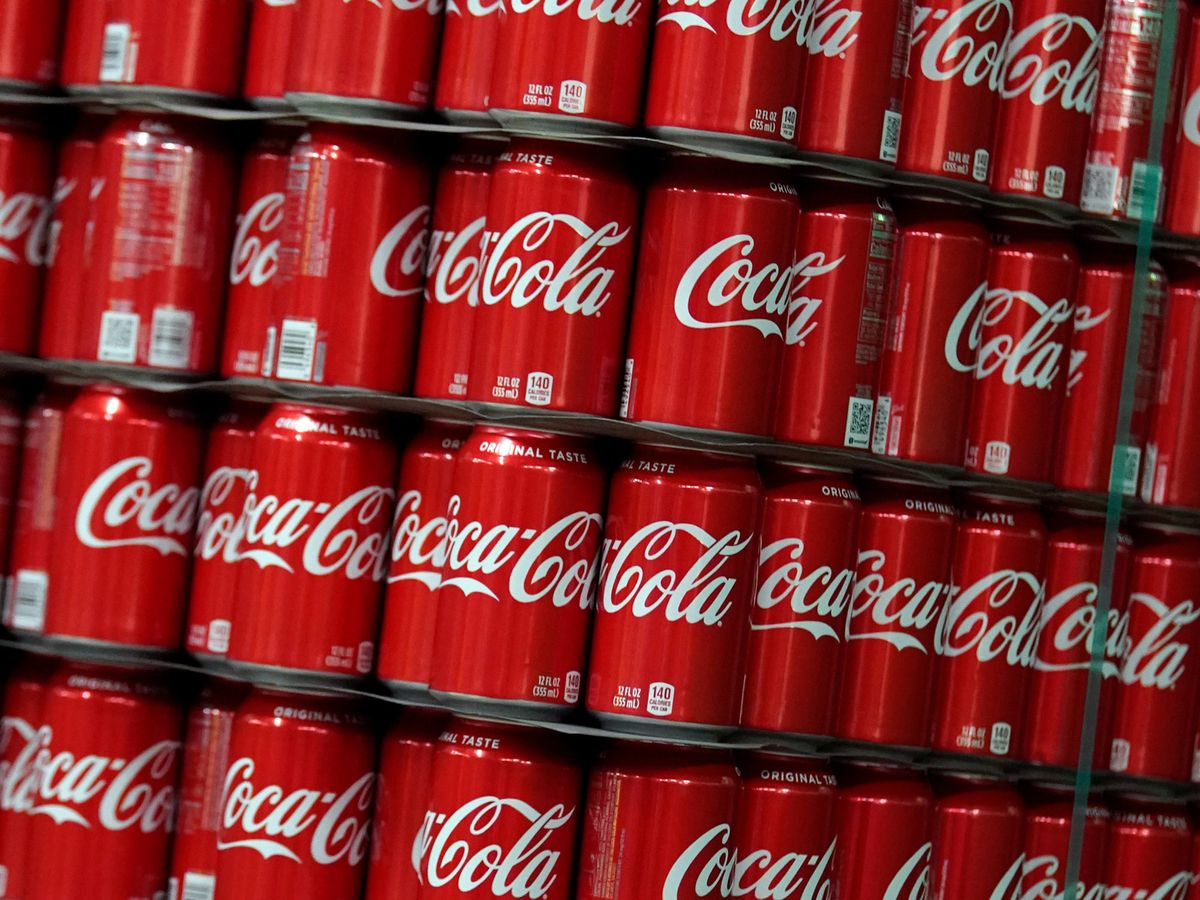
3. Negative Effects on Brain Health
Excess sugar does not only affect the body - it also harms the brain.
Studies show that high sugar intake is associated with:
-
Memory impairment
-
Reduced cognitive performance
-
Increased risk of dementia and Alzheimer’s disease
Chronic sugar consumption contributes to brain inflammation and poor blood sugar regulation, both of which accelerate cognitive decline.
The Hidden Health Costs of Coca-Cola
Beyond the obvious sugar content, Coca-Cola carries additional risks that many people overlook.
Extremely High Sugar Load
-
One can = ~10 teaspoons of sugar
-
Exceeds daily recommended sugar intake
This overload stresses the pancreas and disrupts metabolic balance.
Empty Calories
Coke provides:
-
No fiber
-
No vitamins
-
No minerals
It delivers calories without nourishment, contributing to weight gain without supporting health.
Sugar Addiction
Sugary drinks stimulate dopamine release, reinforcing cravings. This creates a cycle of dependence, making it difficult to cut back and increasing long-term health risks.
Who Should NOT Drink Coca-Cola?
While reducing soda intake is beneficial for everyone, certain groups should avoid Coca-Cola entirely due to heightened health risks.
1. People with Diabetes or Prediabetes
Coke causes rapid blood sugar spikes and worsens insulin resistance, making blood sugar control extremely difficult.
2. Individuals with Obesity or Metabolic Syndrome
Sugary sodas accelerate weight gain and worsen metabolic dysfunction.
3. People with Heart Disease or High Blood Pressure
Soda increases inflammation, triglycerides, and blood pressure, raising the risk of heart attacks and strokes.
4. Individuals with Kidney Disease or Gout
High-fructose corn syrup raises uric acid levels and worsens kidney damage.
5. People with Fatty Liver Disease
Excess fructose is metabolized directly by the liver, promoting fat accumulation and liver inflammation.
6. Children and Adolescents
Sugary drinks:
-
Increase childhood obesity
-
Harm dental health
-
Create lifelong sugar addiction
7. Pregnant Women
High sugar intake increases the risk of gestational diabetes and excessive weight gain.
8. People with Acid Reflux or Digestive Disorders
Carbonation and acidity can worsen reflux, bloating, and stomach discomfort.
Healthier Alternatives to Coca-Cola
If you enjoy fizzy or sweet drinks, consider safer options:
-
Water with lemon or fruit slices
-
Unsweetened herbal or green tea
-
Sparkling water without sugar
-
Naturally sweetened drinks (stevia or monk fruit)
Conclusion: A Small Habit with a Big Impact
The idea that each can of Coca-Cola may cost you 12 minutes of life is not meant to scare - it’s meant to inform. Sugary drinks quietly contribute to some of the most serious diseases of modern society, often without immediate symptoms.
The good news is that cutting back - or quitting entirely - can quickly improve health. Replacing soda with healthier beverages reduces disease risk, supports longevity, and improves overall well-being.
Next time you reach for a Coke, consider the long-term cost. A small daily change can lead to a longer, healthier life.
