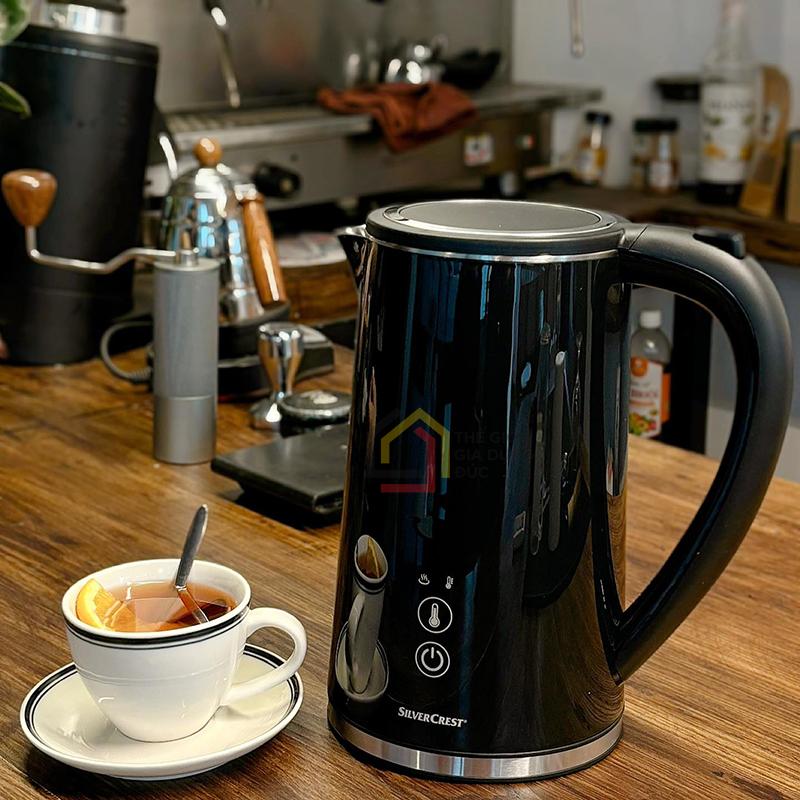
Electric kettles have become an essential appliance in modern households. They are convenient, fast, and easy to use, helping millions of families boil water daily for drinking, cooking, or preparing beverages. However, few people realize that improper use of an electric kettle can pose serious health risks, not just safety hazards like burns or fires.
When used incorrectly, electric kettles may release harmful substances into drinking water. Over time, consuming contaminated water can affect vital organs and increase the risk of chronic diseases. Understanding these risks and learning how to avoid them is crucial for protecting your health and the well-being of your family.
Why Improper Electric Kettle Use Can Be Dan.gerous
The electric kettle works by heating water rapidly using a metal heating element. If the kettle is made of poor-quality materials, poorly maintained, or used incorrectly, toxins, heavy metals, and harmful compounds can leach into the water. These substances may not cause immediate symptoms, but long-term exposure can lead to serious health problems affecting the liver, kidneys, digestive system, and cardiovascular health.
Below are the most common and dangerous mistakes people make when using electric kettles.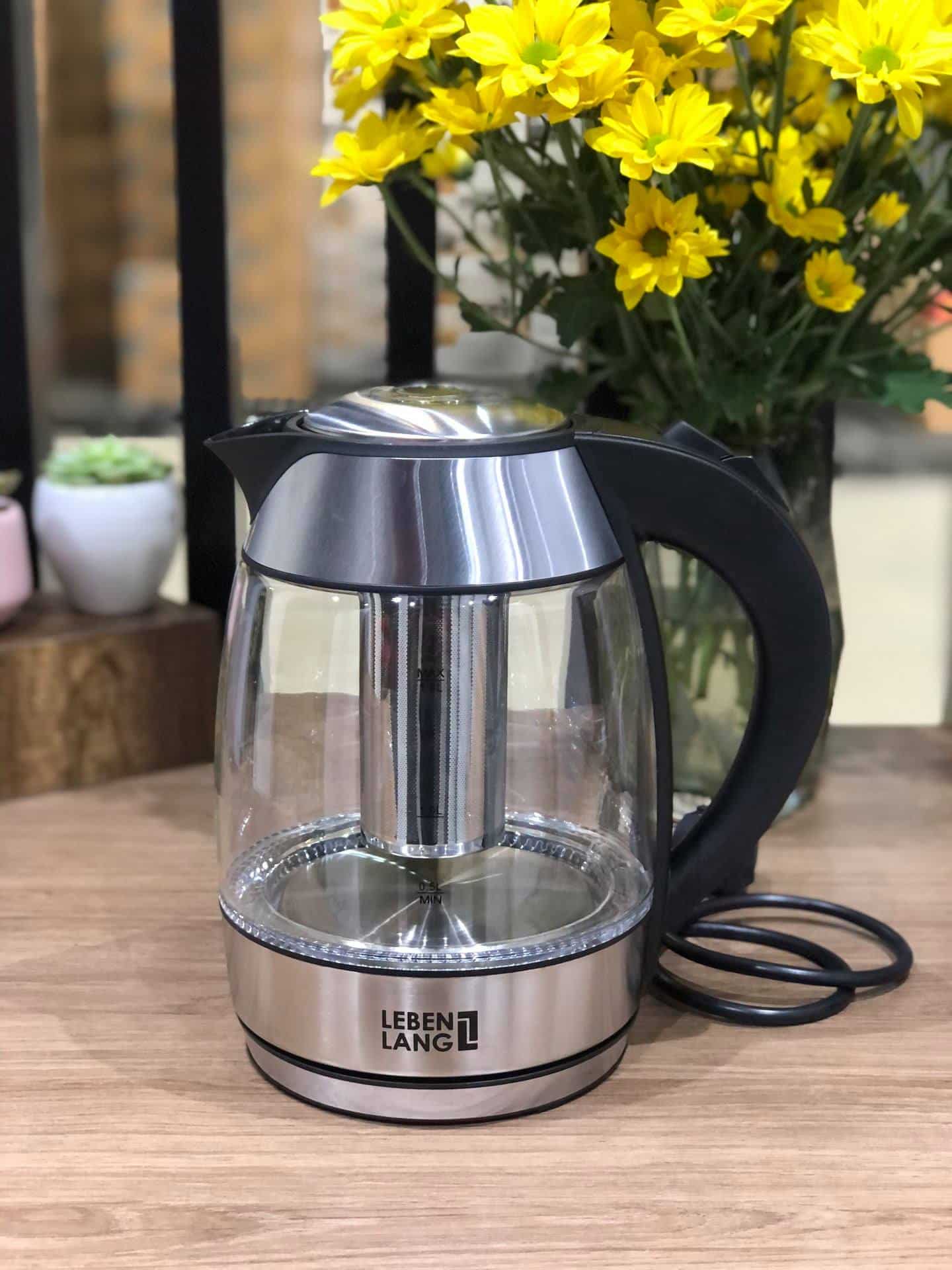
1. Choosing an Electric Kettle Made from Low-Quality Materials
Many households choose cheaper electric kettles to save money, but low price often comes at the cost of safety.
Why this is harmful:
Some low-quality kettles use inferior stainless steel or non-food-grade materials instead of safe stainless steel types such as 304 or 316 stainless steel. When water is boiled in these kettles, heavy metals such as lead, cadmium, or nickel may leach into the water.
Over time, consuming water contaminated with heavy metals can lead to:
-
Liver and kidney damage
-
Digestive disorders
-
Nervous system impairment
-
Increased risk of chronic diseases
How to avoid this:
-
Choose kettles made from certified food-grade stainless steel, borosilicate glass, or BPA-free materials
-
Look for clear labeling and safety certifications
-
Avoid extremely cheap or unbranded products
2. Failing to Clean Limescale and Mineral Buildup Regularly
After prolonged use, many electric kettles develop a grayish-brown or white scale at the bottom and sides. This buildup is commonly known as limescale.
Why this is harmful:
Limescale is composed of minerals such as calcium and magnesium, but it can also trap bacteria, impurities, and other contaminants. If not cleaned regularly:
-
Water quality decreases
-
Boiling efficiency is reduced
-
Harmful substances may enter drinking water
Long-term consumption of contaminated water may increase the risk of:
-
Digestive problems
-
Kidney issues
-
Circulatory system disorders
How to clean safely:
-
Use white vinegar, lemon juice, or orange peel
-
Fill the kettle with water and the cleaning agent
-
Boil the mixture, let it sit for 30 minutes
-
Rinse thoroughly with clean water
Cleaning the kettle every 2–4 weeks is recommended, depending on water hardness.
3. Boiling Water Repeatedly or Leaving Water Overnight
Many people leave unused water in the kettle overnight or reboil water multiple times the next day for convenience. Some believe this is safe because boiling kills bacteria.
Why this is harmful:
Repeated boiling does not improve water quality. Instead, it can:
-
Increase the concentration of dissolved impurities
-
Promote chemical changes in certain compounds
-
Reduce oxygen levels in the water
-
Create an environment where bacteria may grow after cooling
Over time, this practice may expose the body to higher levels of unwanted substances.
Best practice:
-
Boil only the amount of water needed
-
Use water immediately after boiling
-
Empty the kettle after use
-
Avoid reheating old or leftover water
4. Using a Damaged, Rusty, or Peeling Electric Kettle
One of the most dangerous mistakes is continuing to use an electric kettle that shows visible damage.
Warning signs include:
-
Rust spots inside the kettle
-
Peeling inner coating
-
Loose heating elements
-
Strange odors when boiling water
Why this is dangerous:
When the kettle is damaged, metal oxides and rust particles can mix into the water during heating. These substances may:
-
Damage the liver and kidneys
-
Irritate the digestive tract
-
Increase the risk of heavy metal exposure
Additionally, damaged kettles pose a serious risk of:
-
Electrical short circuits
-
Fires
-
Electric shock
What to do:
-
Inspect your kettle regularly
-
Stop using it immediately if damage is detected
-
Replace it with a new, safe model
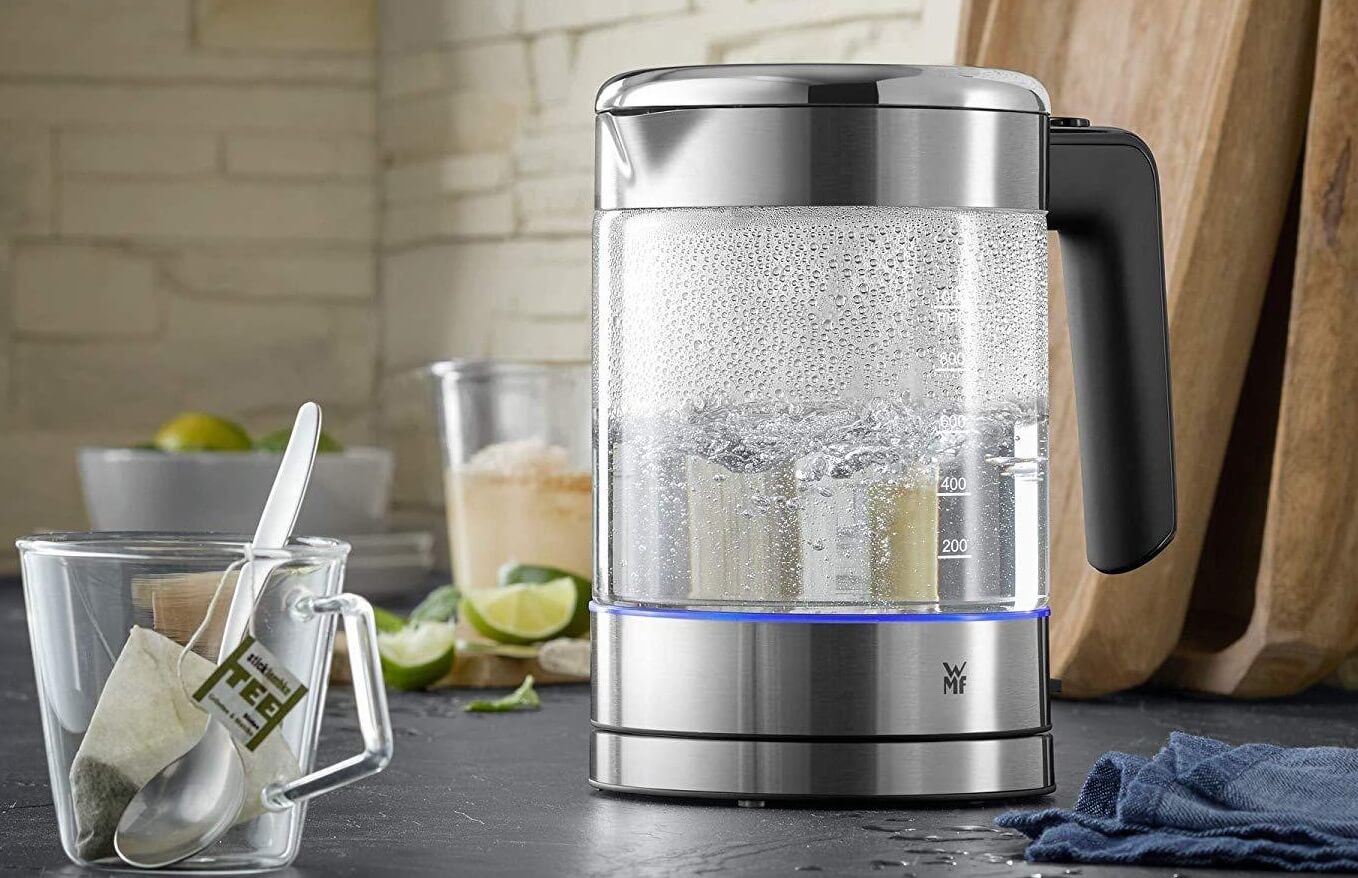
5. Other Common Mistakes That Affect Health and Safety
In addition to the major issues above, several everyday habits can also pose risks:
Overfilling the kettle
-
Can cause water to spill into electrical components
-
Increases the risk of electric shock or fire
Turning on the kettle without water
-
Can damage the heating element
-
May release harmful fumes
Leaving the kettle plugged in continuously
-
Increases fire risk
-
Wastes electricity
Using untreated or contaminated water
-
Boiling does not remove heavy metals or chemical pollutants
-
Poor water quality affects long-term health
Additional Safety Tips for Using an Electric Kettle
To protect your health and extend the life of your appliance:
-
Use filtered or purified water whenever possible
-
Avoid plastic kettles that are not BPA-free
-
Keep the kettle dry on the outside
-
Place it on a stable, heat-resistant surface
-
Do not touch the kettle immediately after boiling
-
Keep it out of reach of children
Conclusion
The electric kettle is a convenient and helpful household appliance, but incorrect use can quietly harm your health over time. From choosing low-quality materials to neglecting cleaning and reboiling water repeatedly, these common mistakes can expose you and your family to toxins and long-term health risks.
By selecting a safe kettle, cleaning it regularly, using fresh water, and replacing damaged appliances promptly, you can enjoy the benefits of boiled water without compromising safety. Small changes in daily habits can make a significant difference in protecting your health and creating a safer home environment.