The important thing is to match the product to your needs.
For a quick grilled dinner, tenderness may be a priority.
For a stew, connective tissue and the ability to become tender during slow cooking may matter more.
For ground beef, the fat percentage and cooking method may be more important than an attractive steak-like appearance.
Shoppers should also consider the amount of meat they actually need.
Buying a large discounted package is not necessarily economical if part of it will be forgotten in the refrigerator and eventually discarded.
A smaller package that is used promptly may provide better value.
25. What Should Older Adults and Families With Children Pay Attention To?
Food safety is important for everyone, but certain groups are more vulnerable to serious complications from foodborne illness.
These include young children, older adults, pregnant people, and individuals with weakened immune systems.
For these households, careful handling and proper cooking are especially important.
Ground beef should never be served undercooked simply because the outside looks well browned.
Use a thermometer to confirm that the center has reached the recommended temperature.
Keep raw meat away from foods such as salads, fresh fruit, and cooked vegetables.
Do not rely on smell or appearance to determine whether a product is safe.
If someone in a vulnerable group develops symptoms such as persistent vomiting, severe diarrhea, high fever, or signs of dehydration after eating, medical advice should be sought promptly.
The goal is not to create fear around ordinary meals.
It is to establish simple habits that make everyday food preparation more reliable.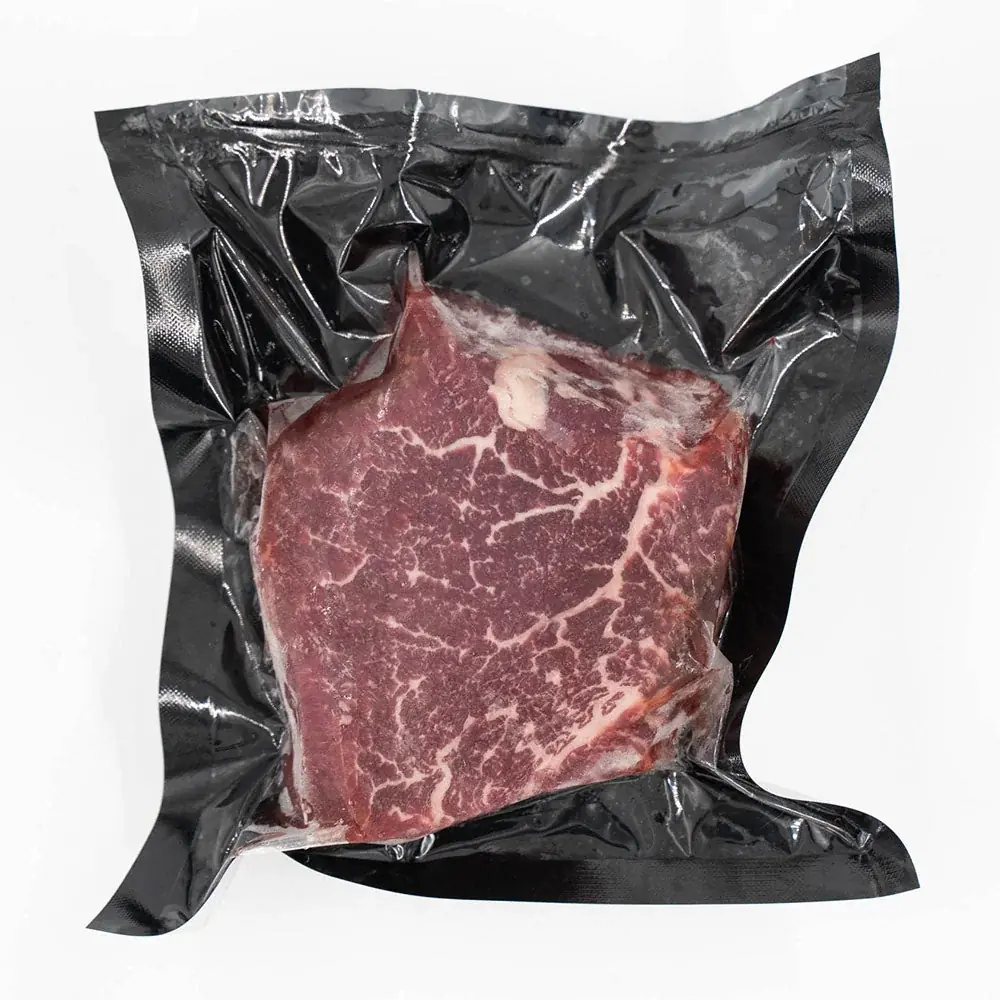
26. A Simple Supermarket Checklist Before Buying Beef
The next time you visit the meat section, use this practical checklist.
Before selecting a package:
-
Read the product name and identify the cut.
-
Check the packaging or sell-by date.
-
Examine the storage instructions.
-
Look for a damaged seal, puncture, or leakage.
-
Check for unusual discoloration alongside other warning signs.
-
Compare the unit price.
-
Read the ingredient list if the product is seasoned or enhanced.
-
Check whether the meat is fresh, previously frozen, or thawed.
-
Make sure the refrigerated display appears to be operating properly.
After purchasing:
-
Keep the meat separate from other groceries.
-
Take it home promptly.
-
Refrigerate or freeze it without unnecessary delay.
-
Store it in a leak-proof container.
-
Use a thermometer when cooking.
-
Clean all surfaces that have contacted raw meat.
This checklist takes only a few minutes but can help shoppers make more informed decisions.
Chapter 2: The Meat-Buying Mistakes That Can Cost You More Than Money
27. Why You Should Not Trust a Discount Sticker Without Checking the Details
Discounted meat can be an excellent way to save money, but shoppers should understand why a product has been reduced in price.
Some supermarkets lower prices when products approach their recommended retail dates.
Others offer discounts because they have excess inventory or are running temporary promotions.
A reduced price does not automatically mean that meat is spoiled.
However, shoppers should not let an attractive discount distract them from examining the product.
Check the original date, packaging condition, storage requirements, and the amount of time available to use the meat.
If you purchase discounted beef that needs to be cooked soon, make sure you have a realistic plan for preparing it.
You can also freeze it promptly if it is suitable for freezing and has been handled properly.
Never purchase meat with damaged packaging or obvious signs of deterioration simply because the price seems too good to refuse.
Saving a few dollars is not worth taking unnecessary food-safety risks.
28. Why the Supermarket Display Can Influence Your Decision
Supermarkets understand that shoppers often make decisions visually.
Bright lighting, carefully arranged packages, and attractive displays can make meat appear particularly appealing.
This is not necessarily evidence of anything improper.
Retailers want their products to look attractive, just as bakeries arrange bread and fruit departments display colorful produce.
However, consumers should understand that presentation is not the same as quality.
A brightly illuminated display can make the red color of beef appear especially vivid.
Different packaging systems can also influence how the meat looks.
That is why shoppers should avoid making a purchase based solely on the appearance of a product under supermarket lighting.
Instead, examine the label, packaging, and storage conditions.
If something seems unusual, ask the butcher or supermarket staff for clarification.
A responsible retailer should be able to explain the product's origin, packaging, and storage information.
29. Five Common Myths About Buying Beef
There are several widespread beliefs about raw beef that deserve clarification.
Myth 1: The reddest steak is always the freshest.
False. Bright red color is associated with oxygen exposure and the formation of oxymyoglobin. It does not independently establish freshness or microbiological safety.
Myth 2: Dark purple beef is spoiled.
False. Vacuum-packed beef can naturally appear purple-red because it has limited exposure to oxygen.
Myth 3: Brown beef must be thrown away immediately.
Not necessarily. Brown discoloration can result from normal pigment changes. However, unpleasant odors, sliminess, damaged packaging, or improper storage are important warning signs.
Myth 4: Expensive beef is always safer.
False. Price and quality grade do not guarantee that a product has been handled safely.
Myth 5: If meat smells normal, it must be safe.
False. Harmful bacteria may be present without producing an unusual smell or visible changes.
These distinctions are worth remembering because they can prevent shoppers from making decisions based on misconceptions.
30. The Most Important Lesson: Read the Label Before Looking at the Color
The large pieces of red beef shown in the opening photograph are visually striking.
Their dark red appearance may immediately attract attention, but it does not tell the complete story.
The real value of examining a meat package comes from considering several pieces of information together.
The label helps explain the product.
The packaging provides clues about how it has been protected.
The refrigerated display provides information about its storage environment.
And the cut, grade, and ingredient information help shoppers determine whether the product is suitable for their needs.
No single detail can answer every question.
A package with an attractive color can still have problems.
A vacuum-sealed steak with a darker appearance may be perfectly normal.
A premium label may indicate a higher quality grade without guaranteeing greater freshness.
The smartest shopper is not necessarily the person who chooses the brightest or most expensive steak.
It is the person who understands what the product actually is, how it should be stored, and how it should be prepared.
The next time you stand in front of a supermarket meat display, resist the temptation to reach for the reddest package immediately.
Take a few extra seconds.
Read the date.
Check the seal.
Compare the price.
Look at the ingredients.
Make sure the meat has been properly refrigerated.
Those simple habits can help you make better purchases, reduce unnecessary waste, and protect the people who will eventually sit down at your dinner table.
A beautiful steak may catch your eye, but an informed decision is what makes a better purchase.