Maintain a balanced diet
Adequate protein, calories, vitamins, minerals, and essential fats support the growth of healthy tissue.
Include a variety of foods rather than relying on one nutrient or supplement to improve nail appearance.
If your diet is highly restrictive or you have a condition that affects nutrient absorption, a healthcare professional or registered dietitian can help assess whether additional support is needed.
These habits cannot guarantee that ridges or other changes will disappear, especially when they are related to aging or an underlying condition. They can, however, help reduce avoidable damage.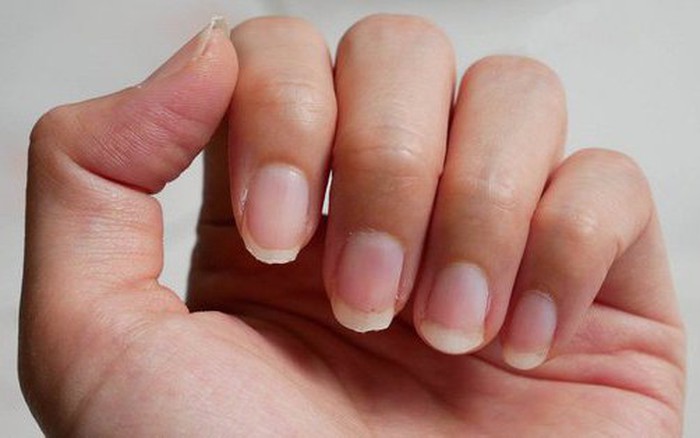
16. When Should You See a Doctor About Nail Lines?
Many nail changes are harmless, but certain patterns should not be ignored.
Consider arranging a medical appointment if you notice:
-
A new or changing brown or black stripe on a nail.
-
Pigmentation that spreads onto the skin surrounding the nail.
-
Deep horizontal grooves that develop without a clear explanation.
-
Persistent nail pain, swelling, bleeding, or inflammation.
-
A nail that becomes increasingly thickened, distorted, brittle, or detached.
-
Recurrent unexplained red-brown lines beneath several nails.
-
Nail changes accompanied by persistent fatigue, unexplained weight changes, fever, unusual bruising, or other symptoms.
A new dark stripe affecting a single nail deserves particular attention, especially if it is changing. It is not necessarily melanoma, but a professional examination can help determine whether further evaluation is required.
If the nail has become severely painful, swollen, or infected, seek timely medical care. Seek urgent assistance if the nail change occurs alongside symptoms suggesting a serious systemic illness.
What will a doctor do?
The evaluation depends on the pattern and your medical history.
A clinician may examine the nail, ask about recent injuries, medications, illnesses, skin conditions, occupational exposures, and family history.
In some cases, no specific testing is needed. If the findings suggest a nutritional deficiency, anemia, a thyroid problem, infection, or another medical condition, appropriate tests may be recommended.
For unexplained pigmentation or suspicious structural changes, a dermatologist may use specialized examination techniques and, when necessary, recommend a nail biopsy.
A biopsy is not required for every nail stripe. It is considered when the clinical appearance warrants further investigation.
The purpose of an evaluation is to identify the most likely cause and determine whether treatment or monitoring is appropriate—not to assume that every nail abnormality represents a serious disease.
17. Nail Changes and Cancer: What Is Important to Know?
Because cancer-related headlines often attract attention, it is worth addressing this subject directly.
Most nail lines do not mean a person has cancer.
Vertical ridges commonly occur with aging, white spots frequently follow minor trauma, and horizontal grooves may reflect temporary interruptions in nail growth.
Nevertheless, certain nail changes can occasionally be associated with cancer, and new or changing pigmentation deserves careful assessment.
Nail-unit melanoma is one important example. It is uncommon, but it can appear as a dark longitudinal stripe or another persistent abnormality involving the nail. The appearance varies, and not every suspicious case has the same features.
Some cancers and cancer treatments can also affect nail growth. Chemotherapy and other medications may cause discoloration, brittleness, ridging, or separation of the nail from the nail bed.
These treatment-related changes differ from a nail change that develops without an established explanation.
There are also rare conditions in which nail abnormalities occur alongside other signs of illness. However, it would be misleading to claim that nail lines provide a universal method for detecting cancer elsewhere in the body.
Nail lines are not a cancer screening test.
They cannot reliably identify lung cancer, liver cancer, kidney cancer, or another internal malignancy. They should not replace recommended cancer screening or a medical evaluation of concerning symptoms.
The appropriate response is to pay attention to unusual changes, particularly new or progressive pigmentation, while remembering that most nail abnormalities have other explanations.
18. Common Myths About Nail Lines You Should Stop Believing
Misleading claims about nail health can create unnecessary anxiety or encourage people to take supplements and treatments they do not need.
Here are several myths worth correcting.
Myth 1: Vertical lines always mean a vitamin deficiency.
False. Vertical ridges are common with age and can also be influenced by dryness, repeated trauma, and other factors. They do not establish a specific deficiency.
Myth 2: White spots automatically mean you need more calcium.
False. Small white spots are often associated with minor trauma to the nail. They are not a reliable indicator of calcium deficiency.
Myth 3: Every dark stripe means melanoma.
False. Dark stripes have several possible explanations, including benign pigmentation and trauma. However, a new or changing stripe should be assessed because melanoma is one possible cause.
Myth 4: Horizontal grooves always mean a serious disease.
False. Beau's lines can develop after a temporary interruption in nail growth, including during significant illness or after local trauma. Their significance depends on the overall pattern and history.
Myth 5: Nail color can diagnose anemia on its own.
False. Pale nails may be associated with anemia, but lighting, natural variation, and other conditions can affect appearance. Blood tests are more reliable when anemia is suspected.
Myth 6: Supplements will make every nail problem disappear.
False. Supplements only address certain problems and may be unnecessary when no deficiency exists. Some can cause side effects or interfere with medical testing.
Myth 7: If a nail change does not hurt, it cannot be serious.
False. Some important nail abnormalities are painless, including certain suspicious pigment changes. Persistent or progressive changes deserve attention even without discomfort.
Myth 8: Nail photographs can replace a medical examination.
False. Photographs can document changes, but they cannot always distinguish benign pigmentation, infection, inflammation, or more serious conditions.
Understanding these distinctions can help you respond sensibly without either ignoring important symptoms or becoming frightened by every small imperfection.
Final Thoughts: Your Nails Can Offer Clues, but They Cannot Tell the Whole Story
Lines on your nails can have many explanations. Vertical ridges may reflect normal aging or dryness. Horizontal grooves can indicate that nail growth was temporarily interrupted. White spots are commonly associated with minor trauma, while dark stripes, red-brown marks, yellow discoloration, and changes in nail shape may have different causes.
The most important factor is not simply whether a line exists. It is the nature of the change, how quickly it develops, whether it affects one or several nails, and whether other symptoms are present.
Take photographs if you want to document gradual changes, protect your nails from repeated injury, moisturize regularly, and maintain a balanced diet. Avoid diagnosing yourself based on viral health claims or taking high-dose supplements without a clear reason.
Most importantly, do not ignore a new or changing dark stripe, unexplained pigmentation, persistent nail distortion, or nail abnormalities accompanied by other symptoms. A qualified healthcare professional can determine whether monitoring, treatment, or further testing is appropriate.
Your nails can provide useful information about your health, but no single line can tell you exactly what is happening inside your body. The best way to protect your health is to pay attention to changes, understand what they can and cannot mean, and seek medical advice when something is unusual or persistent.