Have you ever been awakened by aching legs, painful feet, or persistent cramping during the night? While occasional nighttime discomfort is often harmless and may result from muscle fatigue or dehydration, persistent leg or foot symptoms—especially when they occur repeatedly - can sometimes be associated with reduced blood flow to the lower limbs.
One possible cause is Peripheral Artery Disease (PAD), a condition in which arteries supplying blood to the legs become narrowed by fatty deposits (atherosclerosis). PAD is different from heart disease, although both share many of the same risk factors and often occur together.
Not every nighttime leg symptom is caused by poor circulation, but understanding the warning signs can help you recognize when it's time to seek medical advice.
What Is Peripheral Artery Disease?
Peripheral Artery Disease occurs when arteries outside the heart and brain become narrowed, reducing blood flow to the legs and feet.
Over time, reduced circulation may make it difficult for muscles and tissues to receive enough oxygen, especially during physical activity or, in more advanced cases, even while resting.
PAD becomes more common with age, but it can affect adults of many ages, particularly those with certain risk factors.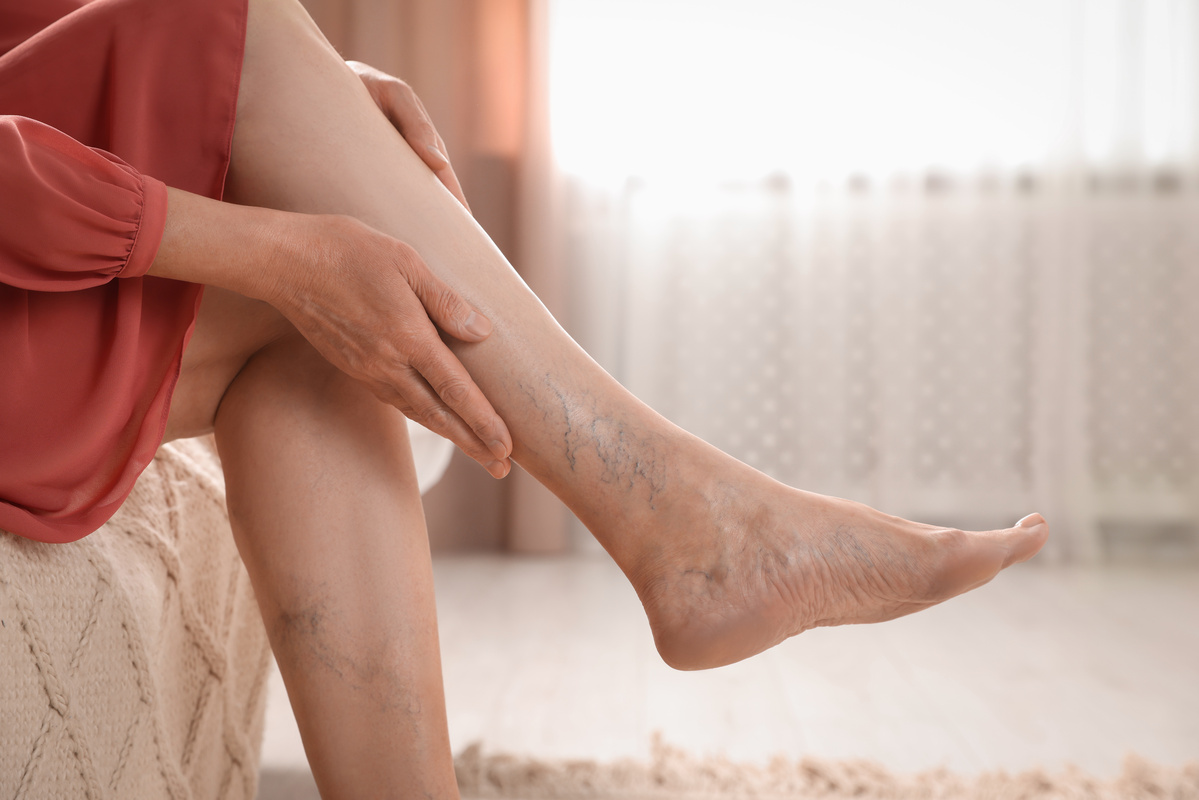
Who Is at Higher Risk?
Several factors increase the likelihood of developing PAD, including:
-
Smoking
-
Diabetes
-
High blood pressure
-
High cholesterol
-
Obesity
-
Chronic kidney disease
-
Older age
-
Family history of cardiovascular disease
Managing these risk factors plays an important role in prevention.
1. Leg Pain That Becomes Worse at Night
One symptom sometimes associated with advanced PAD is rest pain.
Unlike muscle soreness after exercise, this pain may:
-
Develop while lying in bed
-
Wake you from sleep
-
Improve when you sit up or let your legs hang over the side of the bed
This happens because gravity may temporarily improve blood flow to the feet.
Persistent nighttime leg pain deserves prompt medical evaluation.
2. Cold Feet or Toes
If one or both feet consistently feel colder than the rest of your body—particularly without exposure to cold temperatures—it may suggest reduced circulation.
Poor blood flow can make the feet:
-
Feel unusually cold
-
Remain cold even indoors
-
Recover slowly after warming
Cold feet alone are not enough to diagnose PAD, as thyroid disorders, nerve conditions, and other circulation problems can produce similar symptoms.
3. Numbness or Tingling
Reduced blood flow may occasionally contribute to:
-
Tingling
-
Numbness
-
Burning sensations
However, these symptoms are more commonly caused by conditions such as:
-
Peripheral neuropathy
-
Diabetes
-
Vitamin deficiencies
-
Nerve compression
Persistent numbness should always be evaluated by a healthcare professional.
4. Foot Wounds That Heal Slowly
Healthy circulation is essential for wound healing.
If blood flow is significantly reduced, even small cuts or blisters may:
-
Heal slowly
-
Become infected
-
Develop into ulcers
People with diabetes are particularly vulnerable because both poor circulation and nerve damage may occur together.
Inspecting your feet regularly is especially important if you have diabetes or known vascular disease.
5. Changes in Skin Color
Reduced circulation may sometimes cause changes in skin appearance.
Possible changes include:
-
Pale skin
-
Bluish discoloration
-
Shiny skin
-
Darker discoloration in advanced cases
These changes should be assessed by a healthcare provider, especially if they are new or persistent.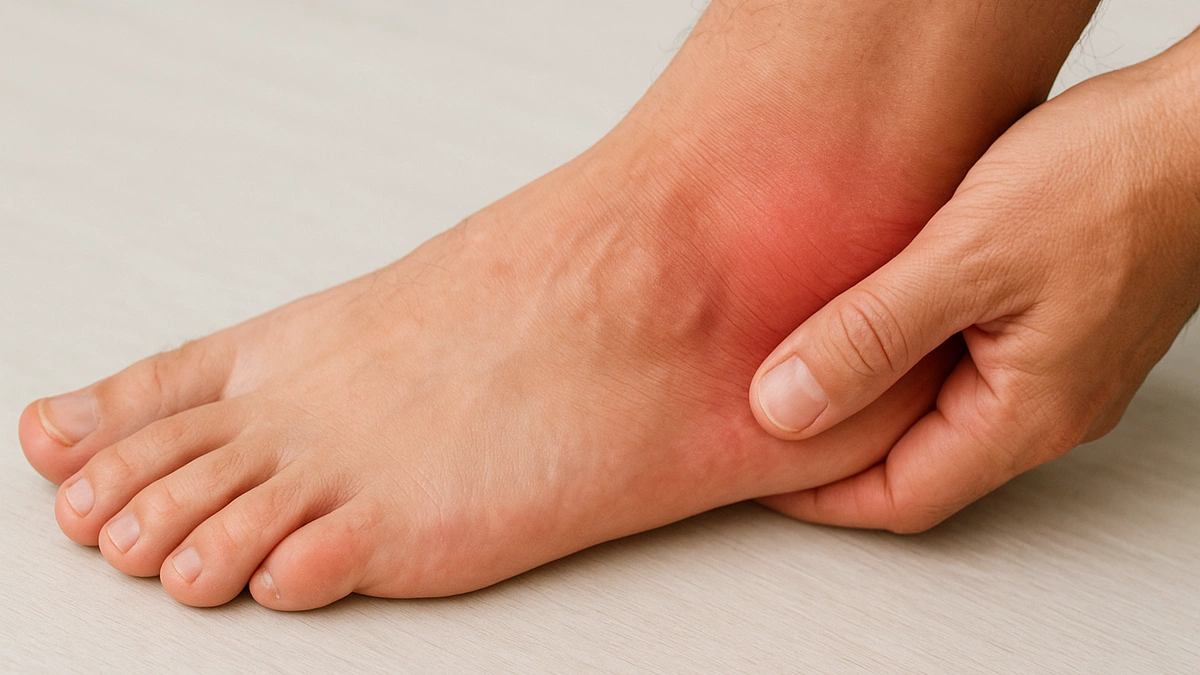
6. Muscle Cramping During Walking
Although this symptom often occurs during the day rather than at night, it is one of the hallmark features of PAD.
Known as intermittent claudication, it typically causes:
-
Cramping
-
Tightness
-
Aching
-
Fatigue in the calves, thighs, or buttocks
The discomfort usually improves after a few minutes of rest.
This pattern is different from ordinary muscle fatigue.
7. Weak Pulses in the Feet
Healthcare professionals often check the pulses in your feet as part of a circulation examination.
Reduced or absent pulses may suggest decreased blood flow.
Because pulse assessment requires training, it should be performed by a qualified healthcare provider.
Other Symptoms That May Occur
Some people with PAD may also notice:
-
Hair loss on the legs
-
Slow-growing toenails
-
Weakness during walking
-
One foot feeling cooler than the other
-
Difficulty walking longer distances
Not everyone experiences all of these symptoms.
Conditions That Can Mimic Poor Circulation
Nighttime leg discomfort has many possible causes besides PAD.
These include:
Nocturnal Leg Cramps
Often related to muscle fatigue, dehydration, or certain medications.
Restless Legs Syndrome
A neurological condition causing an uncomfortable urge to move the legs, especially in the evening.
Peripheral Neuropathy
Frequently associated with diabetes, vitamin deficiencies, or nerve disorders.
Arthritis
Joint inflammation may worsen at night because of prolonged inactivity.
Chronic Venous Insufficiency
Problems with the veins can also cause aching, swelling, and heaviness in the legs.
Because symptoms overlap, medical evaluation is important.
How Doctors Diagnose PAD
If PAD is suspected, your healthcare provider may recommend:
-
A physical examination
-
Pulse assessment
-
Ankle-Brachial Index (ABI), which compares blood pressure in the ankle and arm
-
Doppler ultrasound
-
CT or MR angiography in selected cases
-
Blood tests to evaluate cardiovascular risk factors
These tests help determine whether blood flow to the legs is reduced.
Healthy Habits That Support Circulation
Several lifestyle changes may improve cardiovascular health and reduce the risk of PAD progression.
Stop Smoking
Smoking is the strongest modifiable risk factor for PAD.
Quitting smoking provides significant benefits at any stage.
Stay Physically Active
Supervised or regular walking programs are often recommended for people with PAD because they may improve walking distance and circulation over time.
Always follow your healthcare provider's recommendations regarding exercise.
Eat a Heart-Healthy Diet
Choose foods rich in:
-
Fruits
-
Vegetables
-
Whole grains
-
Lean proteins
-
Healthy fats
Limit:
-
Excess sodium
-
Added sugars
-
Saturated fats
-
Highly processed foods
Manage Chronic Conditions
Keeping blood pressure, cholesterol, and diabetes well controlled helps reduce complications.
Take medications exactly as prescribed.
Common Myths About Poor Circulation
Myth 1: Cold Feet Always Mean Poor Circulation
False.
Cold feet may result from many different conditions, including thyroid disorders or simply a cool environment.
Myth 2: Leg Pain Is Just Part of Aging
False.
Persistent leg pain deserves medical evaluation regardless of age.
Myth 3: PAD Only Affects Older Adults
False.
Although more common with age, PAD can also affect younger adults with significant risk factors such as smoking or diabetes.
When Should You See a Doctor?
Arrange a medical appointment if you experience:
-
Nighttime leg pain that repeatedly wakes you.
-
Persistent cold feet.
-
Slow-healing foot wounds.
-
Leg pain while walking that improves with rest.
-
Changes in skin color.
-
Numbness that continues or worsens.
Early diagnosis improves the opportunity for effective treatment.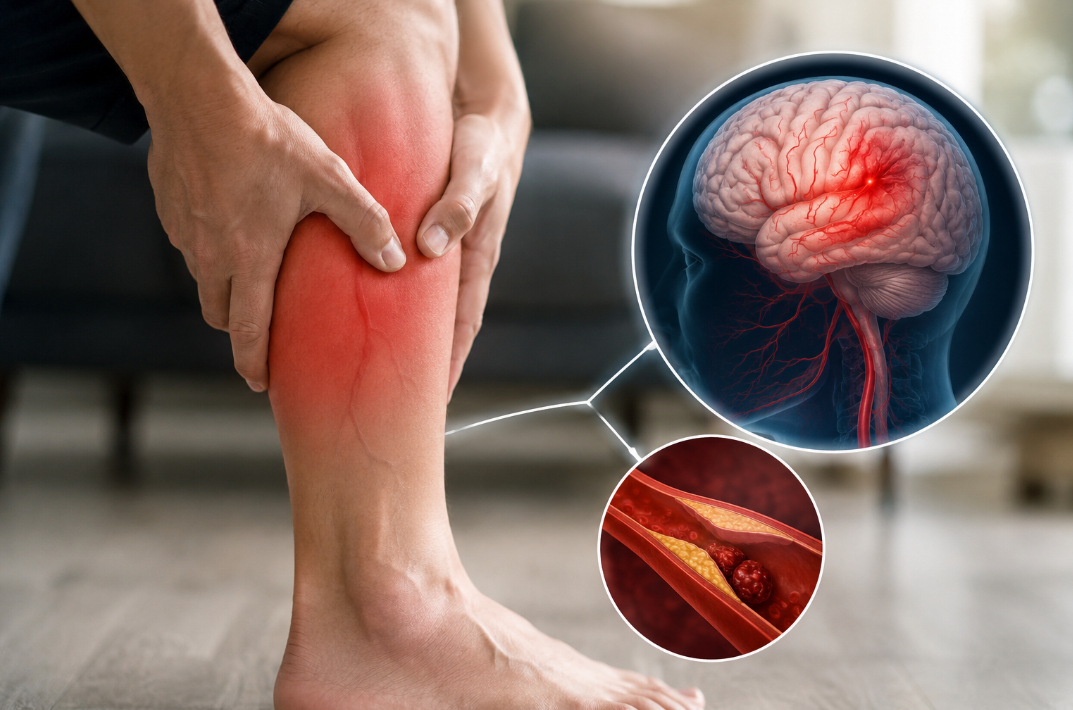
When Is It an Emergency?
Seek immediate medical attention if you suddenly develop:
-
Severe leg pain
-
A cold, pale, or blue leg
-
Loss of movement
-
Loss of sensation
-
Sudden absence of pulses after an injury
These symptoms may indicate acute limb ischemia, a medical emergency requiring urgent treatment.
Final Thoughts
Nighttime leg and foot discomfort is common, and most cases are not caused by blocked arteries. Muscle cramps, restless legs syndrome, arthritis, and nerve disorders are much more common explanations. However, when symptoms are persistent, occur together with cold feet, slow-healing wounds, changes in skin color, or pain that improves when you lower your legs, they may suggest reduced blood flow caused by Peripheral Artery Disease (PAD).
Because PAD also increases the risk of heart attack and stroke, early recognition and treatment are important. If you notice recurring nighttime symptoms or other signs of poor circulation, don't ignore them. A healthcare professional can perform simple tests to determine the cause and recommend appropriate treatment.
Maintaining a healthy lifestyle, avoiding tobacco, staying active, and managing conditions such as diabetes, high blood pressure, and high cholesterol remain some of the most effective ways to protect your circulation and support long-term cardiovascular health.