Have you ever looked in the mirror and noticed a white coating on your tongue? While it can be surprising, a white tongue is a common finding and is often linked to temporary, harmless conditions such as dehydration or a buildup of bacteria and debris. In other cases, however, it may be a sign of an underlying medical or dental condition that deserves attention.
Your tongue can offer useful clues about your overall health, but it is important to remember that a white tongue alone is not enough to diagnose any specific disease. Understanding the possible causes and knowing when to seek medical advice can help you take better care of your oral and overall health.
Here's what you should know.
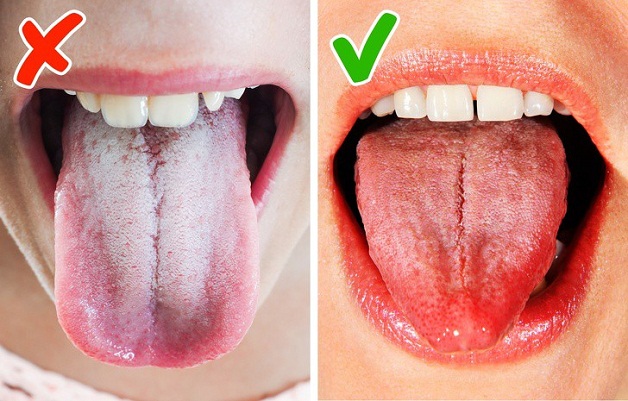
What Is a White Tongue?
A white tongue usually refers to a white or grayish coating that covers part or all of the surface of the tongue.
This coating may consist of:
-
Dead cells
-
Food debris
-
Bacteria
-
Fungi
-
Inflamed papillae (the tiny bumps on the tongue)
Depending on the cause, the coating may appear:
-
Thin or thick
-
Patchy or widespread
-
Easy or difficult to remove
-
Accompanied by bad breath, pain, or changes in taste
The appearance of the tongue can provide helpful information, but it should always be interpreted together with other symptoms.
1. Poor Oral Hygiene
One of the most common reasons for a white tongue is inadequate oral hygiene.
When bacteria, food particles, and dead cells build up on the tongue, they can create a visible white coating.
You may also notice:
-
Bad breath
-
A dry mouth
-
A coated feeling on the tongue
Brushing your teeth twice a day and gently cleaning your tongue can often improve this problem.
2. Dry Mouth and Dehydration
A dry mouth can make it easier for bacteria and debris to accumulate on the tongue.
Common causes include:
-
Not drinking enough water
-
Mouth breathing
-
Fever
-
Certain medications
-
Sleeping with your mouth open
Staying well hydrated and treating the underlying cause of dry mouth may help restore the tongue's normal appearance.
3. Oral Thrush
Oral thrush is a fungal infection caused by an overgrowth of Candida, a type of yeast that normally lives in the mouth.
Symptoms may include:
-
Thick white patches that may resemble cottage cheese
-
Redness underneath the patches
-
Soreness or burning
-
Difficulty eating or swallowing in some cases
Oral thrush is more common in:
-
Infants
-
Older adults
-
People with weakened immune systems
-
Individuals using inhaled corticosteroids
-
People taking antibiotics
Treatment usually involves antifungal medication prescribed by a healthcare professional.
4. Smoking or Tobacco Use
Smoking can irritate the tissues of the mouth and contribute to a white coating on the tongue.
Tobacco may also increase the risk of:
-
Bad breath
-
Gum disease
-
Tooth discoloration
-
Certain oral diseases
Quitting smoking provides benefits for both oral and overall health.

5. Leukoplakia
Leukoplakia is a condition in which thick white patches develop inside the mouth.
Unlike ordinary tongue coatings, these patches often cannot be easily scraped off.
Leukoplakia is frequently associated with chronic irritation, including tobacco use.
Although many cases are harmless, some may contain precancerous changes, making professional evaluation important.
6. Lichen Planus
Oral lichen planus is a chronic inflammatory condition that can affect the lining of the mouth.
It may appear as:
-
White, lace-like patterns
-
White patches
-
Red, swollen tissue
-
Painful sores in some people
The exact cause is not fully understood, but immune system factors are believed to play a role.
7. Geographic Tongue
Despite its name, geographic tongue is usually harmless.
It causes smooth red patches surrounded by white borders that may change location over time.
Some people experience:
-
Mild sensitivity
-
Burning with spicy foods
-
No symptoms at all
The condition is generally not contagious and often requires no treatment unless symptoms occur.
When Should You See a Healthcare Professional?
A white tongue often improves with good oral hygiene and hydration.
However, you should seek medical or dental evaluation if:
-
The white coating lasts longer than two weeks.
-
It cannot be removed by gentle brushing.
-
You experience pain or burning.
-
You have difficulty swallowing.
-
You notice persistent sores or lumps.
-
The patches continue to grow.
-
You develop fever or other concerning symptoms.
Prompt evaluation can help identify the underlying cause.
How Is a White Tongue Diagnosed?
A healthcare professional or dentist will usually begin with:
-
A medical history
-
Questions about symptoms
-
A physical examination of the mouth
If necessary, additional tests may include:
-
Swabs for fungal infections
-
Blood tests
-
Biopsy of persistent white patches
-
Evaluation for underlying medical conditions
The appropriate treatment depends on the specific diagnosis.
Tips for Keeping Your Tongue Healthy
Good oral care is one of the best ways to maintain a healthy tongue.
Simple habits include:
Brush Your Tongue Daily
Use either:
-
A soft toothbrush
-
A tongue scraper
Cleaning the tongue helps remove bacteria and food debris.
Stay Hydrated
Drink enough water throughout the day.
Adequate hydration supports saliva production, which naturally helps clean the mouth.
Practice Good Dental Hygiene
Remember to:
-
Brush twice daily with fluoride toothpaste.
-
Floss every day.
-
Replace your toothbrush regularly.
-
Visit your dentist for routine checkups.
Avoid Tobacco
Stopping smoking benefits:
-
Teeth
-
Gums
-
Tongue
-
Overall health
Eat a Balanced Diet
Choose foods rich in:
-
Fruits
-
Vegetables
-
Whole grains
-
Lean proteins
Limiting excessive sugary foods may also help support oral health.
Common Myths About a White Tongue
Myth: A white tongue always means serious illness.
Fact: Most cases are caused by harmless conditions such as bacterial buildup, dehydration, or temporary irritation.
Myth: Scraping harder will solve the problem.
Fact: Gentle cleaning is sufficient. Aggressive scraping can injure the tongue.
Myth: Every white patch is oral thrush.
Fact: White patches can have many different causes, including leukoplakia, lichen planus, and simple coating from debris.
Myth: Mouthwash alone cures a white tongue.
Fact: Mouthwash may help reduce bacteria in some cases, but it does not treat every underlying cause.

Supporting Overall Oral Health
Your mouth reflects many aspects of your general health.
In addition to good oral hygiene:
-
Eat a nutritious diet.
-
Stay hydrated.
-
Limit alcohol if appropriate.
-
Avoid smoking.
-
Schedule regular dental examinations.
-
Address persistent symptoms promptly.
These habits support both oral health and overall well-being.
The Bottom Line
A white tongue is a common finding that can result from many different causes, including poor oral hygiene, dehydration, smoking, oral thrush, leukoplakia, lichen planus, and other conditions. In many cases, it improves with better oral care and hydration, but persistent white patches or symptoms such as pain, difficulty swallowing, or sores should be evaluated by a healthcare professional or dentist.
Rather than assuming the worst, pay attention to changes in your mouth, maintain good oral hygiene, and seek professional advice if the problem doesn't improve. Early evaluation can help identify treatable conditions and support both your oral health and your overall health.