Nasopharyngeal cancer is a rare but serious type of cancer that develops in the nasopharynx — the upper part of the throat located behind the nose. Because this area is hidden deep inside the head, the disease can be difficult to detect in its early stages. Many people mistake the first symptoms for common problems such as allergies, sinus infections, or colds.
However, medical experts warn that ignoring persistent symptoms may delay diagnosis and reduce the chances of successful treatment. When detected early, survival rates for nasopharyngeal cancer can improve significantly, with some studies reporting survival rates reaching around 72% or even higher depending on the stage and treatment response.
Understanding the warning signs and risk factors may help people seek medical attention earlier and potentially improve outcomes.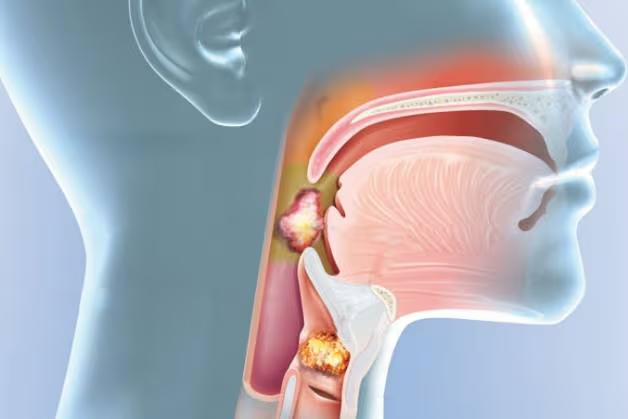
What Is Nasopharyngeal Cancer?
Nasopharyngeal cancer begins in the tissues of the nasopharynx, an area located behind the nasal cavity and above the back of the throat.
Unlike many other cancers, nasopharyngeal cancer is relatively uncommon worldwide but appears more frequently in certain parts of Asia, North Africa, and the Middle East.
Doctors believe several factors may increase the risk, including:
- Genetic predisposition
- Epstein-Barr virus (EBV) infection
- Smoking
- Heavy alcohol consumption
- Diets high in preserved or salted foods
- Exposure to environmental pollutants
Because the early symptoms are often mild or nonspecific, many cases are diagnosed only after the cancer has already spread to nearby tissues or lymph nodes.
Why Early Detection Matters
Cancer specialists emphasize that early diagnosis plays a major role in treatment success.
When nasopharyngeal cancer is discovered in its earlier stages:
- Treatment options are often more effective
- Tumors may respond better to radiation or chemotherapy
- The disease is less likely to have spread
- Long-term survival rates improve significantly
Unfortunately, many people ignore early symptoms because they resemble everyday illnesses.
Recognizing unusual or persistent signs can make an important difference.
1. Persistent Nasal Congestion
One of the earliest signs of nasopharyngeal cancer may be chronic nasal blockage, especially on one side of the nose.
Many people assume this symptom is caused by:
- Allergies
- Sinus infections
- Weather changes
- Colds
However, congestion that does not improve with normal treatment should be evaluated by a doctor.
Some patients also experience:
- Difficulty breathing through one nostril
- A feeling of pressure in the nose
- Frequent sinus discomfort
2. Nosebleeds
Frequent or unexplained nosebleeds may also occur in some individuals with nasopharyngeal cancer.
The bleeding is often mild at first and may appear as:
- Blood-streaked mucus
- Occasional spotting
- Repeated minor nosebleeds
Because small nosebleeds are common, many people ignore them. But recurring episodes combined with other symptoms should not be overlooked.
3. Hearing Problems
The nasopharynx is located close to the Eustachian tubes, which help regulate pressure in the ears. Tumors in this area may block these tubes and affect hearing.
Possible symptoms include:
- Hearing loss in one ear
- Ringing in the ears (tinnitus)
- A sensation of fullness in the ear
- Recurrent ear infections in adults
Hearing problems that appear suddenly or persist without explanation may require further evaluation.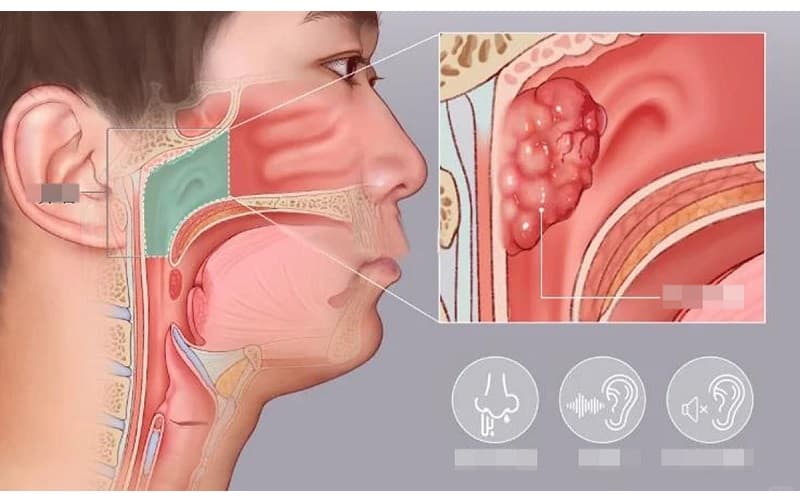
4. Swollen Lymph Nodes in the Neck
One of the most common warning signs of nasopharyngeal cancer is a painless lump in the neck.
This occurs when cancer spreads to nearby lymph nodes.
The lump may:
- Feel firm
- Continue growing over time
- Appear on one or both sides of the neck
Because swollen lymph nodes can also occur during infections, people often wait too long before seeking medical advice.
Any persistent neck mass lasting more than two weeks should be examined by a healthcare professional.
5. Persistent Headaches
Some patients with nasopharyngeal cancer experience chronic headaches caused by pressure from the growing tumor.
These headaches may:
- Become more frequent over time
- Feel different from usual headaches
- Occur alongside facial pressure or nasal symptoms
Although headaches are extremely common and usually harmless, persistent headaches combined with other symptoms deserve attention.
6. Facial Numbness or Pain
As tumors grow, they may affect nearby nerves.
Possible symptoms include:
- Facial numbness
- Tingling sensations
- Pain around the cheeks or jaw
- Difficulty moving facial muscles
These symptoms may indicate that the disease is affecting deeper structures in the head and neck region.
7. Sore Throat or Voice Changes
Persistent throat discomfort may also appear in some cases.
Symptoms can include:
- Chronic sore throat
- Hoarseness
- Difficulty swallowing
- A sensation of something stuck in the throat
Because these symptoms often resemble common infections, people may delay medical evaluation.
8. Unexplained Weight Loss and Fatigue
As with many cancers, advanced nasopharyngeal cancer may cause:
- Fatigue
- Weakness
- Loss of appetite
- Unexplained weight loss
These symptoms often develop later in the disease but may signal that the body is under significant stress.
Who Is Most at Risk?
Although anyone can develop nasopharyngeal cancer, certain groups may face higher risk.
Risk factors include:
- Family history of nasopharyngeal cancer
- Smoking tobacco
- Heavy alcohol use
- Frequent consumption of salted fish or preserved foods
- Chronic exposure to smoke or chemicals
- Epstein-Barr virus infection
Men are generally diagnosed more often than women.
How Doctors Diagnose Nasopharyngeal Cancer
If doctors suspect nasopharyngeal cancer, they may perform several tests, including:
- Nasal endoscopy
- Imaging scans such as MRI or CT
- Biopsy of suspicious tissue
- Blood tests
- Hearing evaluations
Early testing can help identify the disease before it spreads extensively.
Treatment Options
Treatment depends on:
- Cancer stage
- Tumor size
- Whether the cancer has spread
- Overall patient health
Common treatments include:
- Radiation therapy
- Chemotherapy
- Targeted therapy
- Surgery in selected cases
Nasopharyngeal cancer often responds well to radiation because of its location and tissue type.
Doctors may combine multiple treatment approaches for better results.
Can Nasopharyngeal Cancer Be Prevented?
There is no guaranteed way to prevent nasopharyngeal cancer, but experts recommend reducing risk through healthy lifestyle choices.
Possible preventive measures include:
- Avoiding smoking
- Limiting alcohol consumption
- Eating a balanced diet
- Reducing intake of heavily preserved foods
- Seeking medical care for persistent symptoms
Regular health checkups may also help identify problems earlier.
Final Thoughts
Nasopharyngeal cancer can be difficult to recognize because its earliest symptoms often resemble common illnesses. Persistent nasal congestion, hearing problems, nosebleeds, neck lumps, headaches, and throat discomfort may seem harmless at first — but when symptoms continue or worsen, they should never be ignored.
Medical experts stress that early diagnosis can dramatically improve treatment outcomes and survival rates. Paying attention to the body’s warning signs and seeking professional medical evaluation when necessary may help detect the disease earlier and increase the chances of successful treatment.
Awareness remains one of the most powerful tools in fighting cancer.