Available in green, red, yellow, and orange varieties, bell peppers are often treated as simple ingredients rather than nutritional powerhouses. However, their combination of vitamins, antioxidants, fiber, and water makes them a valuable part of a balanced diet. Eating them regularly may help support immune function, eye health, digestion, and several other aspects of well-being.
Still, there are a few things worth understanding before making bell peppers a major part of your everyday meals. Their nutritional content varies depending on their color and ripeness, preparation methods can influence certain nutrients, and some people may experience digestive discomfort after eating them.
So, what actually happens when you eat bell peppers regularly? Let's take a closer look at their nutritional benefits, potential drawbacks, and the best ways to enjoy them.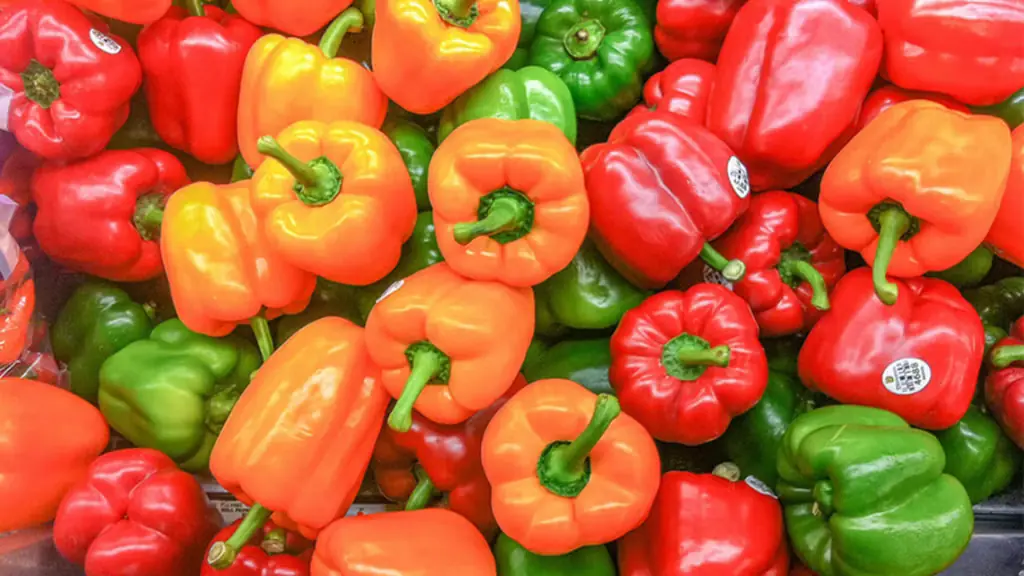
1. Bell Peppers Are an Excellent Source of Vitamin C
One of the most impressive nutritional features of bell peppers is their vitamin C content.
Vitamin C is an essential nutrient that plays several important roles in the body. It supports normal immune system function, helps protect cells from oxidative damage, and contributes to the production of collagen. Collagen is a structural protein involved in maintaining healthy skin, blood vessels, cartilage, bones, and connective tissues.
Red and yellow bell peppers are particularly rich in vitamin C. In fact, a serving of raw red bell pepper can provide more than the recommended daily amount for many adults, although the exact quantity depends on the size and variety of the pepper.
This makes bell peppers a convenient way to increase vitamin C intake without relying entirely on citrus fruits.
Vitamin C also helps the body absorb non-heme iron, the type of iron found in plant-based foods such as beans, lentils, spinach, and whole grains. Pairing bell peppers with these foods can therefore be a useful strategy for people who want to improve their overall dietary iron intake.
For example, adding sliced red bell peppers to a lentil salad or serving them alongside beans can provide a combination of nutrients that complement one another.
2. They May Help Support a Healthy Immune System
The immune system relies on a variety of nutrients to function properly, and vitamin C is one of the most well-known.
Bell peppers provide vitamin C along with smaller amounts of vitamin A-related compounds, vitamin E, and other antioxidant nutrients. Together, these compounds help support the body's normal protective processes.
Vitamin C contributes to the function of several immune cells and helps maintain the integrity of epithelial barriers, including the skin. These barriers form part of the body's first line of defense against harmful microorganisms.
However, it is important to understand that eating bell peppers does not prevent every infection or guarantee that you will avoid getting sick. No single vegetable can provide complete protection against illness.
Instead, bell peppers are best viewed as one component of a varied diet that includes fruits, vegetables, protein sources, whole grains, and healthy fats.
Consistently eating a range of nutrient-rich foods is a more practical approach to supporting immune health than relying on one particular ingredient.
3. Different Colors Offer Different Nutritional Benefits
Have you ever wondered why bell peppers come in so many colors?
The differences are not simply cosmetic. Green, yellow, orange, and red bell peppers generally represent different stages of ripeness, and their nutritional profiles can vary accordingly.
Green bell peppers are usually harvested earlier. They have a slightly bitter, grassy flavor and tend to contain less vitamin C and fewer carotenoids than fully ripe red peppers.
Yellow and orange varieties are often sweeter and contain different combinations of carotenoids, including compounds associated with vitamin A activity.
Red bell peppers are typically fully ripened and contain particularly high levels of vitamin C and certain carotenoids, including beta-carotene.
Red peppers also contain capsanthin, a naturally occurring pigment responsible for much of their vibrant color.
This does not mean that one color is universally better than the others. Each variety contributes useful nutrients, and eating different colors can help provide a broader range of plant compounds.
A simple approach is to mix red, yellow, orange, and green bell peppers throughout the week rather than always choosing the same variety.
4. Bell Peppers Contain Antioxidants That Help Protect Cells
Every day, the body's cells are exposed to oxidative stress caused by normal metabolic processes and environmental factors.
Oxidative stress occurs when the production of reactive molecules exceeds the body's ability to neutralize them. Over time, excessive oxidative stress can contribute to cellular damage and is associated with various chronic health conditions.