Second, they provide potassium, a mineral involved in maintaining normal fluid balance, nerve signaling, and muscle function.
Potassium also plays a role in blood pressure regulation. Getting enough potassium from foods can support healthy blood pressure, particularly when combined with an overall dietary pattern that limits excessive sodium.
Bell peppers also contain vitamin C and carotenoids, which contribute to antioxidant activity.
However, no individual vegetable can independently prevent heart disease or lower blood pressure enough to replace medical treatment.
For cardiovascular health, bell peppers work best as part of a broader eating pattern that includes vegetables, fruits, whole grains, legumes, nuts, and appropriate sources of protein.
People with kidney disease or those taking certain medications may need individualized advice about potassium intake.
10. Bell Peppers Are Naturally Low in Calories and Rich in Water
One reason bell peppers are so easy to incorporate into everyday meals is their naturally high water content.
Water makes up most of the weight of a fresh bell pepper, helping give it a crisp texture and refreshing taste.
This combination of water and fiber makes bell peppers a satisfying ingredient, particularly when eaten raw.
They can also help increase the volume of a meal without adding many calories.
For example, adding chopped bell peppers to scrambled eggs, sandwiches, grain bowls, or salads can make a meal more substantial while contributing additional vitamins and minerals.
Although water-rich foods contribute to hydration, they should not replace drinking water throughout the day.
Instead, think of bell peppers as one small part of a hydration-friendly diet that includes other vegetables, fruits, soups, and fluids.
11. Eating Bell Peppers May Help You Build a More Balanced Diet
One of the most overlooked benefits of bell peppers is how easily they fit into different styles of eating.
Their mild sweetness works well with a wide range of ingredients, making it easier to add vegetables to meals without changing familiar recipes too dramatically.
You can mix them with eggs at breakfast, add them to chicken or tofu at lunch, or roast them with other vegetables for dinner.
They also work well in dishes inspired by Mediterranean, Asian, and Latin American cooking.
This flexibility matters because a healthy diet is not simply about eating individual superfoods. It is about developing a consistent pattern that provides enough nutrients and remains enjoyable over time.
Adding bell peppers to meals you already like can be a simple way to increase vegetable variety without making your diet feel restrictive.
12. Raw or Cooked: Which Is Better?
There is no single best way to eat bell peppers. Both raw and cooked varieties offer nutritional benefits, although cooking can change the amount of certain nutrients.
Eating bell peppers raw is an excellent way to obtain vitamin C because this nutrient is sensitive to heat and can be lost during prolonged cooking.
Raw peppers also retain their crisp texture, making them ideal for salads, sandwiches, and snacks.
Cooking, however, can make some carotenoids easier for the body to absorb by breaking down the vegetable's structure.
For example, gently cooking red peppers with a small amount of olive oil may improve the availability of certain fat-soluble carotenoids.
The key is to avoid unnecessarily long cooking times if preserving vitamin C is a priority.
Steaming, quick stir-frying, roasting, and lightly sautéing are all practical options.
Rather than choosing only raw or cooked peppers, include both methods in your regular meals.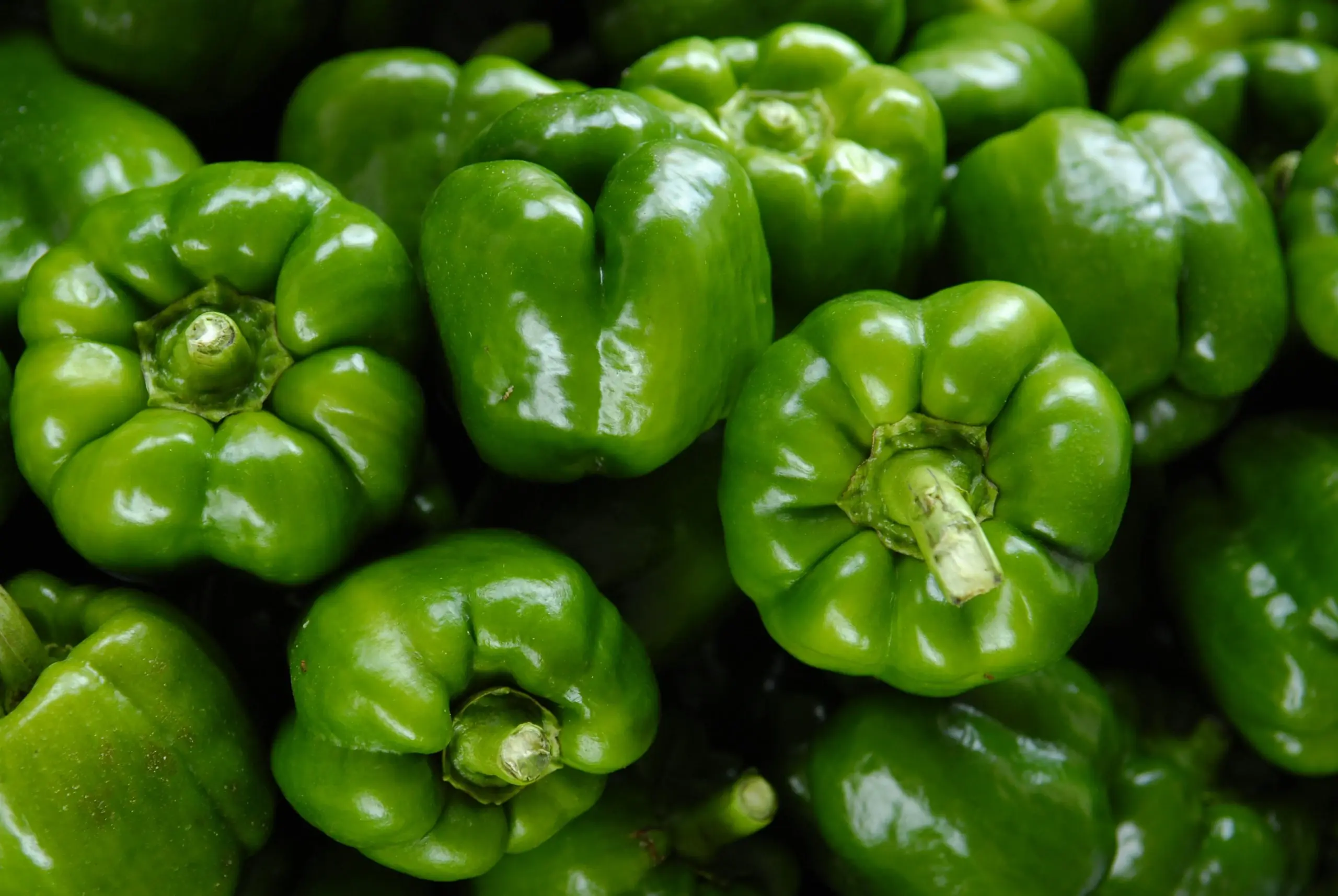
13. Pair Bell Peppers With Healthy Fats for Better Nutrient Absorption
Some of the beneficial plant compounds in bell peppers, including carotenoids, are fat-soluble.
This means they are absorbed more effectively when consumed alongside a source of dietary fat.
Fortunately, this is easy to achieve.
You can add a small amount of olive oil to roasted bell peppers, combine them with eggs, or serve them with nuts and seeds.
A salad containing bell peppers, leafy greens, and an olive oil-based dressing is another convenient option.
The goal is not to add large amounts of fat. A modest portion of a healthy fat source is generally enough to complement the meal.
This simple combination can make a vegetable-rich dish both more satisfying and nutritionally balanced.
14. Some People May Experience Digestive Discomfort
Although bell peppers are well tolerated by many people, they may cause digestive discomfort in certain individuals.
Some people experience bloating, gas, or abdominal discomfort after eating raw peppers.
This may be related to individual digestive sensitivity, portion size, the skin's texture, or other ingredients eaten alongside the peppers.
People with irritable bowel syndrome (IBS) may also notice that certain vegetables trigger symptoms, although tolerance varies considerably from person to person.
If raw bell peppers seem difficult to digest, try eating a smaller portion or cooking them until they become softer.
Removing the skin may also make them easier for some people to tolerate, although it is not necessary for everyone.
If symptoms are persistent, severe, or accompanied by unexplained weight loss, blood in the stool, or ongoing abdominal pain, seek medical advice rather than assuming bell peppers are the cause.