21. Easy Ways to Add More Bell Peppers to Your Meals
If you want to eat bell peppers more regularly, you do not need complicated recipes.
A few simple changes can make them a natural part of your everyday eating routine.
At breakfast: Add chopped red or green peppers to scrambled eggs or an omelet. They provide color, texture, and extra vegetables.
At lunch: Include sliced bell peppers in chicken wraps, grain bowls, or fresh salads.
As a snack: Cut raw peppers into strips and serve them with hummus, yogurt-based dip, or another preferred accompaniment.
At dinner: Add them to vegetable stir-fries with tofu, chicken, lean meat, or beans.
For meal preparation: Roast several peppers at once with onions, zucchini, and other vegetables. Store them in the refrigerator and use them as a side dish throughout the week.
In soups and stews: Add chopped peppers to tomato-based soups, vegetable stews, or bean dishes for additional flavor and nutrients.
These simple options make it easier to eat more vegetables without having to completely change your cooking habits.
22. Are Bell Peppers Better Than Other Vegetables?
Bell peppers are nutritious, but comparing them directly with other vegetables can be misleading.
Each vegetable offers a different combination of vitamins, minerals, fiber, and plant compounds.
Broccoli, for example, contains vitamin C and fiber, while carrots are well known for their beta-carotene content. Spinach provides folate and vitamin K, and tomatoes contain lycopene.
Bell peppers stand out for their vitamin C content, colorful carotenoids, mild flavor, and versatility.
However, they should not replace other vegetables.
Eating a wide range of produce provides a broader nutritional profile and helps prevent your diet from becoming unnecessarily repetitive.
Instead of asking which vegetable is the healthiest, it is more useful to ask how you can include several different vegetables throughout the week.
23. Common Mistakes to Avoid When Eating Bell Peppers
Even nutritious foods can become less beneficial depending on how they are prepared and consumed.
One common mistake is cooking bell peppers for too long at high temperatures. This can reduce their vitamin C content and leave them unnecessarily soft.
Another is preparing them with excessive amounts of salt, butter, or high-calorie sauces. The peppers themselves are naturally low in calories, but the ingredients added during cooking can significantly change the nutritional profile of the final dish.
Some people also assume that eating more bell peppers automatically means better health. In reality, large portions are not necessary, and excessive consumption may cause discomfort in people with sensitive digestion.
Finally, do not rely on bell peppers as a substitute for a balanced diet. They provide valuable nutrients, but they cannot supply everything your body needs.
The best results come from eating them as part of varied, balanced meals.
24. Who Should Be More Careful?
Most people can enjoy bell peppers without difficulty, but certain individuals may need to pay closer attention to their response.
People with a known allergy to bell peppers should avoid them unless a healthcare professional advises otherwise.
Those who experience digestive discomfort may benefit from smaller portions, cooked peppers, or avoiding them if symptoms consistently occur.
People following a medically prescribed diet should also consider any individual restrictions. For example, individuals with certain kidney conditions may need guidance about their overall potassium intake, even though bell peppers are not among the most potassium-dense vegetables.
If you take medication or have a medical condition that requires dietary management, consult your healthcare provider before making major changes to your eating habits.
For most healthy adults, however, bell peppers are a practical and nutritious vegetable that can be enjoyed regularly.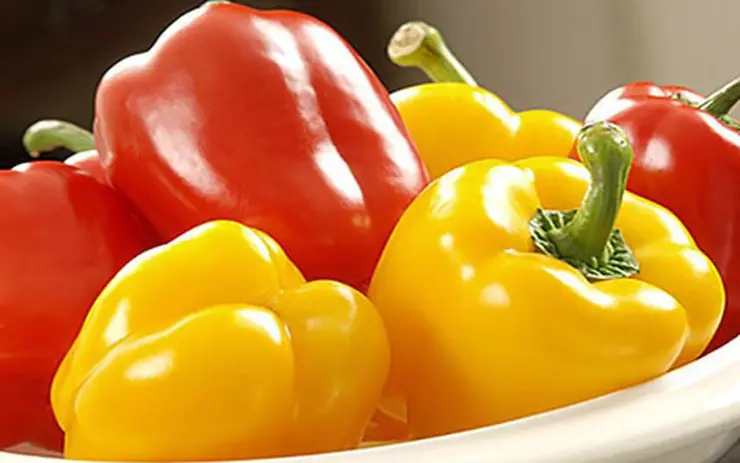
25. The Bottom Line: Are Bell Peppers Worth Eating Every Day?
Bell peppers are much more than a colorful addition to your plate.
They provide vitamin C, carotenoids, fiber, potassium, and other beneficial plant compounds that contribute to normal immune function, eye health, digestive health, and overall nutrition.
Their low calorie content and high water content also make them a convenient choice for people who want to build satisfying, vegetable-rich meals.
Different colors offer slightly different nutritional profiles, while raw and cooked preparations each have their own advantages. Eating a combination of varieties and preparation styles is an easy way to enjoy their benefits.
Still, bell peppers are not a miracle food. They cannot independently prevent disease, burn body fat, or replace medical treatment. Their greatest value comes from being part of a balanced eating pattern that includes many different fruits and vegetables.
For most people, enjoying bell peppers regularly is a simple and worthwhile habit. Add them to your breakfast, mix them into salads, roast them for dinner, or keep a few sliced pieces ready for a quick snack.
Sometimes, improving your diet does not require dramatic changes or expensive ingredients. It can begin with something as simple as adding a little more color to your plate.