One useful strategy for managing calorie intake is replacing some higher-calorie foods with vegetables.
For example, instead of eating a large portion of fried snacks, you might choose a fresh cucumber salad alongside a balanced meal.
Cucumbers provide:
-
High water content
-
A crunchy texture
-
A small amount of fiber
-
Very few calories
These qualities make them a convenient option for people who want to increase vegetable consumption.
However, cucumber itself does not burn fat or directly accelerate metabolism.
Weight management depends on overall dietary patterns, physical activity, sleep, and energy balance.
Be Careful With Salad Dressings
A cucumber salad can quickly become much higher in calories depending on what you add.
For example:
-
Mayonnaise can add substantial fat and calories.
-
Large amounts of olive oil increase the energy content.
-
Sweetened dressings may add considerable sugar.
-
Cheese and processed meats can increase both calories and sodium.
These ingredients are not automatically unhealthy, but portion sizes matter.
For a lighter salad, consider lemon juice, fresh herbs, a moderate amount of olive oil, or plain yogurt-based dressing.
The goal is not to eliminate flavor. It is to make choices that support your overall eating pattern.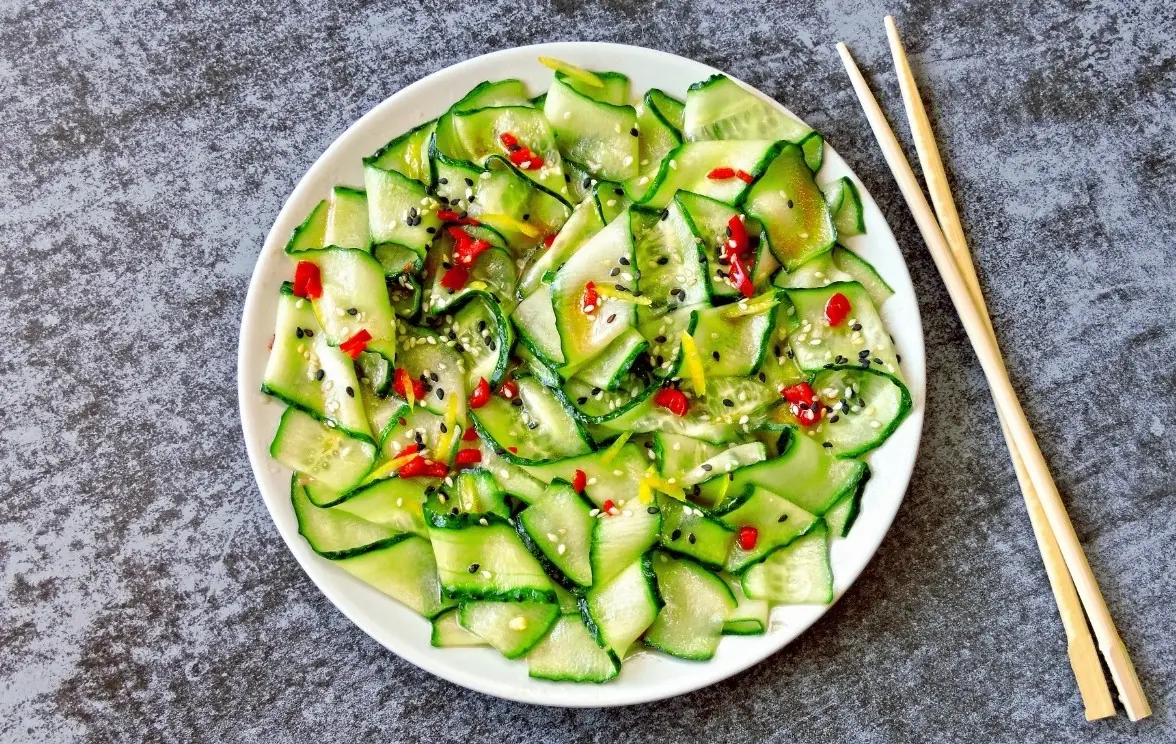
4. Your Body Receives Small Amounts of Important Vitamins and Minerals
Cucumbers are not among the most nutrient-dense vegetables, but they still provide several useful nutrients.
Their nutritional value becomes more meaningful when they are combined with other vegetables in a varied salad.
Vitamin K
Vitamin K is important for normal blood clotting and bone health.
Cucumber contains vitamin K, particularly in its skin.
Eating cucumber with the peel can therefore provide more vitamin K than eating peeled cucumber.
People taking warfarin or certain other medications that interact with vitamin K should maintain a consistent intake of vitamin K-containing foods and follow their healthcare professional's advice.
This does not mean they must automatically avoid cucumber.
Consistency is generally more important than eliminating vegetables unnecessarily.
Vitamin C
Cucumbers provide a modest amount of vitamin C.
This nutrient supports normal immune function, collagen production, wound healing, and antioxidant activity.
However, cucumbers are not an especially rich source of vitamin C.
Combining them with bell peppers, tomatoes, broccoli, citrus fruits, or other vitamin C-rich foods can make a salad more nutritionally diverse.
Potassium
Potassium is an essential mineral involved in:
-
Normal muscle function
-
Nerve signaling
-
Fluid balance
-
Blood pressure regulation
Cucumbers provide a relatively modest amount of potassium compared with many other vegetables.
They can fit into many balanced diets, including some kidney-friendly meal plans.
However, people with chronic kidney disease who have been advised to restrict potassium should follow their individual dietary recommendations.
Antioxidant Compounds
Cucumbers contain various plant compounds, including flavonoids and other antioxidants.
These compounds help protect plant cells and are being studied for their potential biological effects.
Eating a variety of vegetables provides a broader range of beneficial plant compounds than relying on one ingredient alone.
5. It Can Help You Eat More Vegetables Without Much Effort
One of the most practical benefits of cucumber salad is that it makes vegetable consumption easier.
Some people struggle to include enough vegetables in their daily meals because they find preparation inconvenient or dislike certain textures.
Cucumbers are easy to wash, slice, and combine with other ingredients.
They can be prepared in just a few minutes and do not require cooking.
Why Does Variety Matter?
A healthy diet should provide a broad range of nutrients.
Eating cucumber every day is not a problem for most people, but relying on it as the main vegetable can limit dietary variety.
Different vegetables contain different combinations of vitamins, minerals, fiber, and plant compounds.
For example:
-
Carrots provide beta-carotene.
-
Tomatoes contain lycopene.
-
Bell peppers provide vitamin C.
-
Leafy greens supply folate and other nutrients.
-
Broccoli contains fiber and several important micronutrients.
Combining these ingredients with cucumber creates a more diverse meal.
A simple idea: Mix cucumber, tomatoes, carrots, lettuce, and bell peppers. Add a source of protein such as eggs, chicken, beans, or tofu to make the meal more complete.
6. It May Support a Heart-Healthy Eating Pattern
Cucumbers are naturally low in sodium and contain small amounts of potassium.
These characteristics make them a useful ingredient in meals designed around vegetables and minimally processed foods.
A diet rich in vegetables, fruits, whole grains, legumes, and other nutrient-dense foods is associated with better cardiovascular health.
However, it is important not to overstate the effects of one vegetable.
There is no strong evidence that eating cucumber alone prevents heart disease or directly lowers blood pressure.
Its potential contribution comes from being part of a broader healthy dietary pattern.