Eating Cucumbers in Salads: What Doctors Want You to Know
Cucumbers are one of the most popular additions to salads worldwide. Crisp, refreshing, and low in calories, they seem like an obvious healthy choice. But what actually happens in your body when you eat cucumbers regularly? Here’s what doctors and nutrition experts say—based on science, not clickbait.
🥒 1. Helps Keep You Hydrated
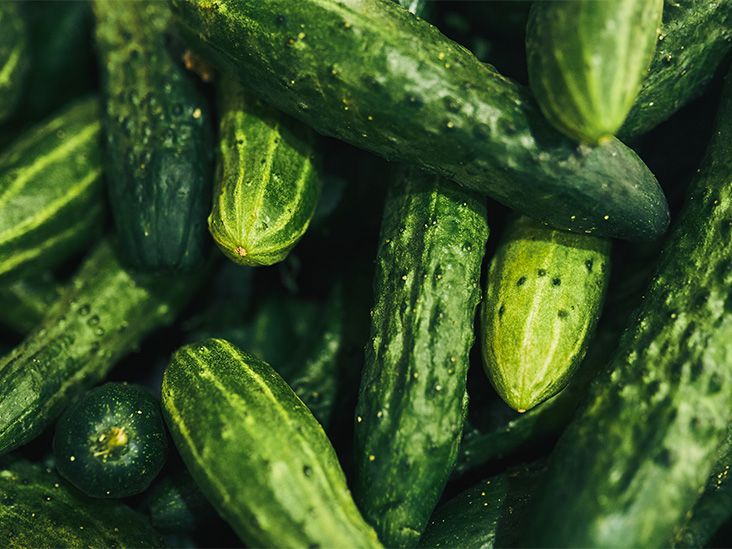
Cucumbers are made up of about 95–96% water, making them one of the most hydrating vegetables you can eat.
Adding them to salads can:
- Support fluid balance
- Help regulate body temperature
- Aid digestion
This is especially useful in hot climates or after physical activity.
❤️ 2. Supports Heart Health
Cucumbers contain potassium, an essential mineral that helps regulate blood pressure.
A diet rich in potassium is associated with a lower risk of:
- High blood pressure
- Stroke
- Cardiovascular disease
This makes cucumbers a heart-friendly addition to daily meals.
⚖️ 3. Aids in Weight Management
If you’re trying to manage your weight, cucumbers are a smart choice:
- Very low in calories
- High in volume (helps you feel full)
- Naturally refreshing without added sugar
They can replace higher-calorie ingredients in salads, helping reduce overall calorie intake.
🌿 4. Provides Antioxidants
Cucumbers contain antioxidants such as:
- Flavonoids
- Tannins
- Beta-carotene
These compounds help reduce oxidative stress, which is linked to aging and chronic diseases.
⚠️ 5. Possible Digestive Sensitivity
While most people tolerate cucumbers well, some may experience:
- Bloating
- Gas
- Mild indigestion
This can be due to compounds like cucurbitacins or the vegetable’s high water and fiber content.
🧂 6. Watch Out for High-Sodium Salads
The cucumber itself is healthy—but what you add to your salad matters.
Heavy dressings, salt, or processed toppings can:
- Increase sodium intake
- Offset health benefits
Keeping salads simple helps maximize the nutritional value.
🛡️ 7. May Help Blood Sugar Control
Cucumbers have a low glycemic index, meaning they don’t cause sharp spikes in blood sugar.
They may be beneficial for people with conditions like Type 2 Diabetes when included as part of a balanced diet.
🧪 8. Nutrient Support (Even If Modest)
Cucumbers provide small amounts of:
- Vitamin K (important for blood clotting)
- Vitamin C
- Magnesium
While not nutrient-dense compared to leafy greens, they still contribute to overall dietary balance.
🏥 What Doctors Emphasize
Health experts generally agree: cucumbers are safe and beneficial for most people when eaten as part of a balanced diet. There’s no hidden danger in eating cucumbers in salads—the bigger concern is misleading headlines that exaggerate or omit context.
📚 Trusted Sources
- Mayo Clinic – Nutrition and healthy diet guidance
- Harvard T.H. Chan School of Public Health – Vegetables and chronic disease prevention
- U.S. Department of Agriculture – Food composition and nutrient database
- World Health Organization – Healthy diet recommendations
✅ Final Takeaway
Eating cucumbers in salads is a simple, healthy habit that supports hydration, heart health, and weight management. For most people, the benefits far outweigh any minor downsides.
The real “secret” isn’t a single ingredient—it’s maintaining a balanced, varied diet over time.