Peanuts are one of the most popular snacks in the world. They are affordable, easy to find, rich in flavor, and packed with nutrients that many people need in their daily diets. From peanut butter sandwiches to roasted peanuts at sporting events, this small legume has become a staple food in many households.
But while peanuts are often praised for their health benefits, experts say they can also produce a variety of changes in the body — some positive and others potentially harmful depending on the amount consumed, individual health conditions, and how the peanuts are processed.
Nutritionists explain that peanuts are not technically nuts. They belong to the legume family, similar to beans and lentils. Despite this, they contain many nutrients commonly associated with tree nuts, including healthy fats, protein, vitamins, minerals, and antioxidants.
Here is what experts say may happen to your body when you regularly eat peanuts.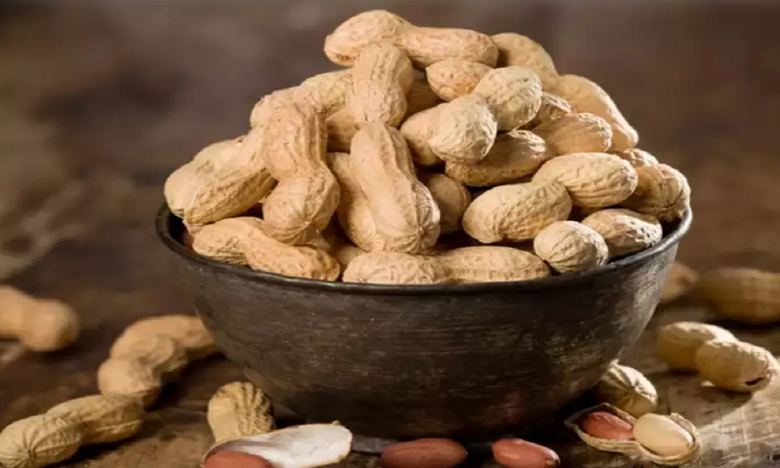
1. Your Heart Health May Improve
One of the biggest benefits associated with peanuts is improved cardiovascular health. Peanuts contain monounsaturated and polyunsaturated fats, which are considered “healthy fats.” These fats may help reduce levels of bad cholesterol (LDL) while supporting good cholesterol (HDL).
According to nutrition experts, regularly eating moderate portions of peanuts may support:
- Better blood circulation
- Reduced inflammation
- Lower risk of heart disease
- Improved blood vessel function
Peanuts also contain magnesium and arginine, nutrients that help maintain healthy blood pressure levels.
Several studies have suggested that people who frequently consume nuts and legumes may have a lower risk of cardiovascular disease compared to those who rarely eat them.
However, experts warn that heavily salted or sugar-coated peanut products may reduce these benefits due to excess sodium and added sugars.
2. You May Feel Fuller for Longer
Peanuts are rich in protein, healthy fats, and fiber. This combination helps slow digestion and increase feelings of fullness.
People who snack on peanuts often report:
- Reduced hunger between meals
- Fewer cravings
- Better appetite control
Because of this, peanuts are commonly included in weight-management diets. Even though peanuts are calorie-dense, moderate consumption may actually help prevent overeating later in the day.
Nutritionists emphasize portion control, though. Eating large quantities regularly can quickly increase calorie intake and potentially contribute to weight gain.
3. Your Blood Sugar Levels May Become More Stable
Experts say peanuts have a relatively low glycemic index, meaning they do not cause sharp spikes in blood sugar.
For people with insulin resistance or type 2 diabetes, moderate peanut consumption may help:
- Stabilize glucose levels
- Slow carbohydrate absorption
- Improve satiety after meals
Peanuts also contain magnesium, a mineral linked to improved insulin sensitivity.
Some studies suggest that including peanuts in balanced meals may reduce post-meal blood sugar fluctuations. However, sweetened peanut products or candies made with peanuts may not provide the same effect.
4. Your Body Receives More Protein
Protein is essential for muscle repair, hormone production, and overall body function. Peanuts are considered a good plant-based protein source.
A small serving of peanuts can help support:
- Muscle recovery
- Tissue repair
- Energy production
- Healthy skin and hair
For vegetarians and people trying to reduce meat consumption, peanuts can provide a convenient and affordable protein alternative.
Athletes and active individuals often include peanuts or peanut butter in snacks because of their protein and calorie content.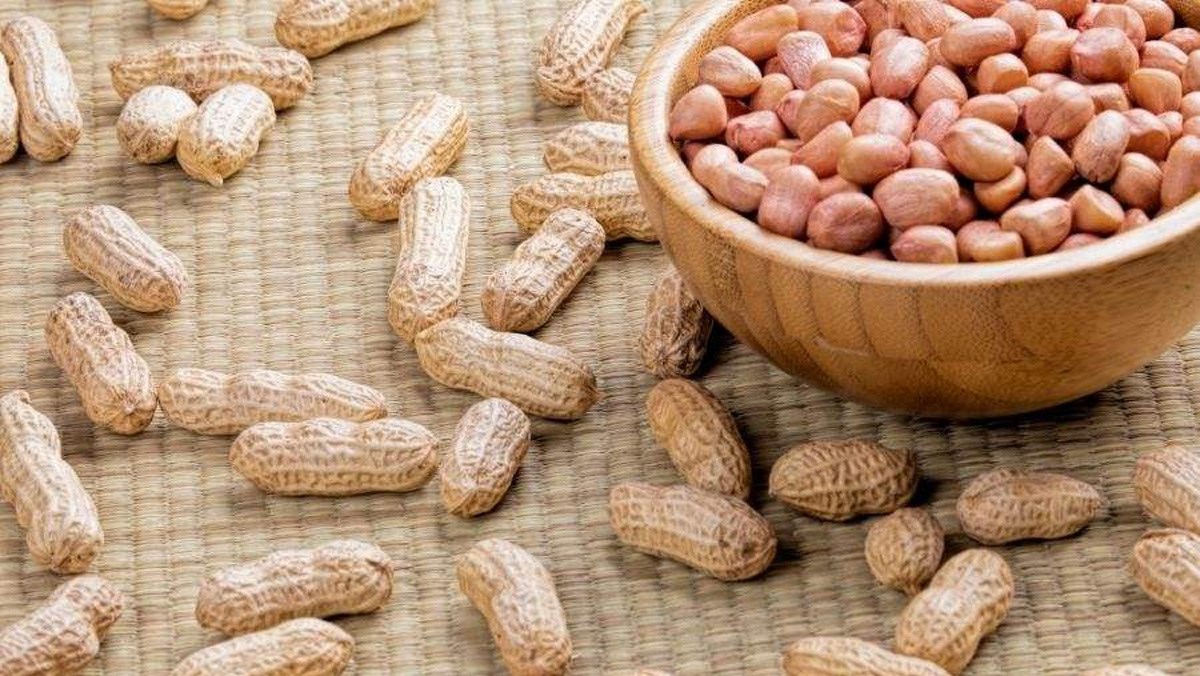
5. Your Brain Function May Benefit
Peanuts contain nutrients that may support brain health, including:
- Vitamin E
- Niacin
- Healthy fats
- Antioxidants
Vitamin E is known for protecting cells from oxidative stress, while healthy fats play an important role in maintaining brain function.
Some experts believe that long-term consumption of nutrient-rich foods like peanuts may help support memory and cognitive performance as people age.
Although peanuts alone are not a miracle brain food, they can contribute to an overall balanced diet associated with better neurological health.
6. Digestive Changes May Occur
Because peanuts contain fiber, they may help improve digestion and bowel regularity for some individuals.
Benefits may include:
- Better gut movement
- Increased feelings of fullness
- Improved digestive balance
However, not everyone responds well to peanuts. Some people may experience:
- Bloating
- Gas
- Stomach discomfort
- Acid reflux
Experts say this often depends on portion size, digestive sensitivity, and whether the peanuts are heavily processed or fried.
7. Allergic Reactions Can Be Severe
One of the most serious concerns involving peanuts is allergy risk. Peanut allergies are among the most common food allergies worldwide and can sometimes become life-threatening.
Symptoms may include:
- Hives
- Swelling
- Difficulty breathing
- Vomiting
- Anaphylaxis
Even small amounts of peanuts can trigger dangerous reactions in sensitive individuals.
Doctors strongly advise anyone with known peanut allergies to avoid peanut-containing products entirely and carefully check food labels.
8. Your Skin May Change
Some people notice positive skin effects after including healthy fats and vitamin E-rich foods like peanuts in their diets. These nutrients may help support skin hydration and protect against oxidative damage.
However, others may experience skin breakouts if they consume large amounts of processed peanut products high in oils, sugar, or salt.
Experts explain that skin reactions vary greatly from person to person and often depend on overall diet quality rather than one specific food alone.
9. You Could Consume Harmful Substances if Peanuts Are Stored Improperly
One lesser-known concern about peanuts involves aflatoxins. These are toxic compounds produced by certain molds that can grow on improperly stored peanuts.
Long-term exposure to high levels of aflatoxins has been linked to liver damage and increased health risks.
To reduce exposure, experts recommend:
- Buying peanuts from trusted sources
- Avoiding peanuts that smell moldy
- Storing peanuts in cool, dry places
- Checking expiration dates
Food safety regulations in many countries monitor aflatoxin levels carefully, but proper storage still matters.
10. Salted Peanuts May Affect Blood Pressure
Many commercial peanut snacks contain large amounts of sodium. Excess sodium intake may contribute to:
- High blood pressure
- Fluid retention
- Increased cardiovascular strain
Experts recommend choosing:
- Unsalted peanuts
- Dry-roasted varieties
- Natural peanut butter without added sugar or hydrogenated oils
Reading nutrition labels can help consumers make healthier choices.
Are Peanuts Healthy Overall?
Most nutrition experts agree that peanuts can absolutely be part of a healthy diet when eaten in moderation.
They provide:
- Healthy fats
- Plant-based protein
- Fiber
- Vitamins
- Minerals
- Antioxidants
However, the way peanuts are prepared matters significantly.
Healthier options include:
- Raw peanuts
- Dry-roasted peanuts
- Natural peanut butter
Less healthy choices may include:
- Deep-fried peanuts
- Sugar-coated peanuts
- Excessively salted peanut snacks
Balance is key.
How Many Peanuts Should You Eat?
Nutritionists often recommend moderate serving sizes, generally around:
- One small handful per day
- About 1 ounce (28 grams)
This amount usually provides nutritional benefits without excessive calorie intake.
People with certain medical conditions, allergies, or dietary restrictions should consult healthcare professionals before making major dietary changes.
Final Thoughts
Peanuts may be small, but they can have a surprisingly powerful impact on the body. From supporting heart health and stabilizing blood sugar to improving satiety and providing plant-based protein, peanuts offer many potential benefits when consumed responsibly.
At the same time, experts caution that allergies, excess sodium, overconsumption, and poor storage conditions can turn this healthy snack into a potential health concern.
Like many foods, peanuts are healthiest when eaten in moderation as part of a balanced lifestyle. Paying attention to portion size, ingredient quality, and individual body reactions can help people enjoy the benefits while minimizing potential risks.