Stress has become a normal part of modern life. From financial pressure and work responsibilities to family problems and constant digital distractions, millions of people experience stress every single day. While short-term stress can sometimes help people stay alert and focused, chronic stress may quietly damage both physical and mental health over time.
Medical experts warn that long-term stress affects nearly every system in the body, including the heart, brain, immune system, digestion, and sleep patterns. Many people underestimate how powerful stress can be until symptoms begin interfering with daily life.
Understanding how stress impacts the body and learning healthy ways to manage it - may help improve overall well-being and reduce the risk of serious health problems.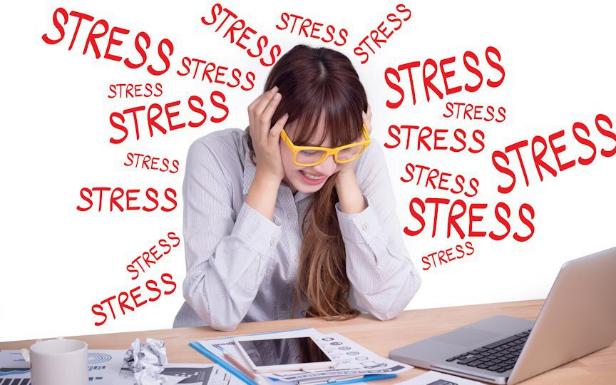
What Happens to the Body During Stress?
When a person feels threatened or overwhelmed, the body activates its “fight-or-flight” response. This natural survival mechanism releases stress hormones such as:
- Cortisol
- Adrenaline
These hormones temporarily increase:
- Heart rate
- Blood pressure
- Energy levels
- Alertness
In short-term situations, this response can be useful. For example, stress may help someone react quickly during danger or complete urgent tasks under pressure.
However, when stress becomes constant, the body remains in a prolonged state of tension. Over time, this may begin harming important organs and body systems.
1. Stress Can Damage Heart Health
One of the biggest dangers of chronic stress involves the cardiovascular system.
Long-term stress may contribute to:
- High blood pressure
- Increased heart rate
- Inflammation
- Higher risk of heart disease
Stress hormones force the heart to work harder for extended periods. Some people also develop unhealthy coping habits during stressful times, such as:
- Smoking
- Overeating
- Drinking alcohol excessively
- Lack of exercise
These behaviors may further increase the risk of heart attacks and strokes.
Research has shown that people under constant emotional stress may face a greater chance of developing cardiovascular disease over time.
2. Stress Can Weaken the Immune System
The immune system helps protect the body against infections and illnesses. But chronic stress may reduce immune efficiency.
People experiencing prolonged stress may notice:
- Frequent colds
- Slow healing
- Increased infections
- Fatigue
High cortisol levels may interfere with the body’s ability to fight viruses and bacteria effectively.
Experts say stress may also worsen inflammatory conditions and autoimmune disorders in some individuals.
3. Stress Strongly Affects Mental Health
Stress and mental health are deeply connected.
Persistent stress may contribute to:
- Anxiety
- Depression
- Irritability
- Mood swings
- Difficulty concentrating
People under heavy stress often feel emotionally overwhelmed, mentally exhausted, or constantly worried.
Over time, stress may affect memory, decision-making, and emotional regulation.
Some individuals also experience panic attacks or feelings of hopelessness when stress becomes severe.
Mental health professionals emphasize that emotional stress should be taken just as seriously as physical illness.
4. Stress Can Disrupt Sleep
Sleep problems are extremely common during stressful periods.
Stress may cause:
- Difficulty falling asleep
- Frequent waking during the night
- Nightmares
- Restless sleep
- Early morning waking
Unfortunately, poor sleep can make stress even worse, creating a harmful cycle.
Lack of quality sleep may lead to:
- Fatigue
- Weakened concentration
- Lower immunity
- Increased emotional sensitivity
Experts recommend addressing both stress and sleep habits together for better recovery.

5. Stress Can Affect Digestion
The digestive system is highly sensitive to emotional stress.
Stress may contribute to:
- Stomach pain
- Acid reflux
- Nausea
- Diarrhea
- Constipation
- Appetite changes
Some people lose interest in food when stressed, while others overeat for emotional comfort.
Chronic stress may also worsen digestive conditions such as:
- Irritable bowel syndrome (IBS)
- Gastritis
- Ulcers
The connection between the brain and gut explains why emotional tension often produces physical digestive symptoms.
6. Stress Can Cause Physical Pain
Stress does not only affect emotions — it can also create real physical discomfort.
Common stress-related symptoms include:
- Headaches
- Muscle tension
- Neck pain
- Back pain
- Jaw clenching
When the body remains tense for long periods, muscles become tight and painful.
Stress headaches and migraines are especially common among people facing ongoing emotional pressure.
7. Stress May Lead to Unhealthy Habits
Many people cope with stress in unhealthy ways without realizing it.
Common stress-related habits include:
- Emotional eating
- Smoking
- Excessive alcohol use
- Isolation
- Excessive screen time
- Lack of physical activity
While these behaviors may provide temporary comfort, they often worsen long-term health outcomes.
Experts encourage replacing harmful coping mechanisms with healthier stress-management strategies.
Signs That Stress May Be Becoming Dangerous
Everyone experiences stress occasionally, but certain signs may indicate stress is seriously affecting health.
Warning signs include:
- Constant exhaustion
- Chest pain
- Frequent illness
- Severe anxiety
- Insomnia
- Panic attacks
- Digestive problems
- Emotional numbness
- Loss of motivation
If symptoms become overwhelming or interfere with daily life, professional support may be necessary.
Effective Ways to Manage Stress
Although stress cannot always be eliminated completely, healthy coping strategies may help reduce its impact significantly.
1. Regular Physical Activity
Exercise is one of the most effective natural stress relievers.
Physical activity may help:
- Lower stress hormones
- Improve mood
- Increase energy
- Improve sleep quality
Even simple activities such as:
- Walking
- Stretching
- Dancing
- Cycling
can make a noticeable difference.
2. Prioritize Sleep
Healthy sleep habits are essential for emotional recovery.
Experts recommend:
- Maintaining a consistent sleep schedule
- Reducing screen time before bed
- Avoiding caffeine late at night
- Creating a calm sleep environment
Quality sleep helps regulate stress hormones and improve emotional balance.
3. Practice Relaxation Techniques
Relaxation exercises may help calm the nervous system.
Popular stress-reduction methods include:
- Deep breathing
- Meditation
- Yoga
- Mindfulness
- Prayer
- Listening to calming music
Even a few minutes of relaxation daily may help reduce tension levels.
4. Maintain Social Connections
Talking to trusted friends or family members can provide emotional support during stressful times.
Isolation often increases emotional distress, while healthy social interaction may:
- Improve mood
- Reduce anxiety
- Increase feelings of safety and connection
Support systems play a major role in emotional resilience.
5. Eat a Balanced Diet
Nutrition can influence mood and energy levels.
Experts recommend:
- Eating regular meals
- Staying hydrated
- Reducing excessive sugar and caffeine
- Including fruits, vegetables, and protein-rich foods
Healthy eating may support both physical and mental health during stressful periods.
6. Seek Professional Help When Needed
There is nothing weak about asking for help.
Therapists, counselors, and healthcare professionals can provide valuable support for managing stress, anxiety, or depression.
Professional treatment may include:
- Counseling
- Cognitive behavioral therapy
- Stress-management programs
- Medication in certain cases
Early support may prevent stress from becoming overwhelming.
Final Thoughts
Stress is a natural part of life, but chronic stress can quietly harm the body and mind in powerful ways. From heart problems and weakened immunity to digestive issues, sleep disruption, and emotional exhaustion, long-term stress affects far more than many people realize.
The good news is that healthy habits, emotional support, relaxation techniques, and proper self-care can significantly reduce stress and improve overall well-being.
Learning to recognize stress early and managing it effectively is not only important for mental health — it may also protect long-term physical health and quality of life.